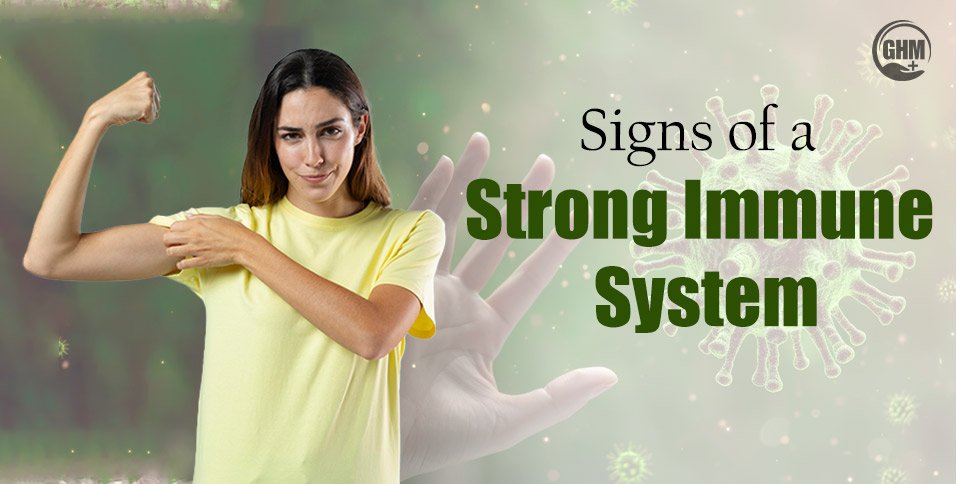
Have you ever wondered how your body manages to fight off thousands of invisible germs every single day without missing a beat? It is the immune system that’s always protecting you. However, the protection we rely on does not always come from the same place. Immunity can develop organically through the body’s own internal response or arrive pre-made from external sources. These two foundational types of immunity are broadly classified into passive vs active immunity.
The difference between active and passive immunity is simple. Active bactive immunity requires the body’s own immune system to produce customized antibodies after an encounter with an antigen, whereas passive immunity involves receiving ready-made antibodies from an external source.
Keep reading to learn what makes active immunity and passive immunity different. Also get to know how these immunity types support the health of the human body with examples.
What Is Active Immunity?
Active immunity develops when the body’s adaptive immune system encounters an antigen and actively manufactures its own antibodies to neutralize the threat. An antigen is any foreign substance, such as a component on the surface of a virus or bacterium, that triggers an immune response.
When a pathogen or vaccine antigen enters the system, the body recognizes it as foreign. Specialized white blood cells called B cells produce targeted antibodies, while T cells help coordinate the cellular response and eliminate infected cells. Crucially, this process creates memory B cells and memory T cells. These long-lived cells remain in the body to recognize the exact same pathogen during future exposures, triggering a faster and stronger secondary immune defense.
While active immunity requires time to take effect, its ability to establish immunological memory makes it one of the body’s most powerful long-term protective mechanisms of human body.
Types of Active Immunity
Active immunity generally develops through two primary pathways: natural exposure or medical intervention.
- Natural Active Immunity
Natural active immunity occurs organically when a person becomes infected with a pathogen in daily life. For example, recovering from a mild childhood illness like chickenpox leaves the body with permanent immunological memory, typically granting lifelong protection against reinfection.
- Artificial Active Immunity
Artificial active immunity is acquired through vaccination. Vaccines introduce a weakened, dead, or component-part form of a disease organism into the body. This safe exposure stimulates the immune system to produce antibodies and memory cells without causing the full severity of the disease.
Common examples of artificial active immunity include the annual influenza shot, the measles vaccine, and immunizations for COVID-19.
What Is Passive Immunity?
Passive immunity occurs when an individual receives antibodies produced by another person, an animal, or a laboratory. Because the recipient’s own immune system does not participate in manufacturing these proteins, passive immunity provides defense without requiring prior exposure or active immune system training.
The primary advantage of passive immunity is instant availability, as the protection begins the moment the antibodies enter the body. However, because the recipient’s body does not produce these antibodies internally, they gradually degrade and are not continuously replenished. As a result, passive immunity is temporary, lasting only for a few weeks or months.
Types of Passive Immunity
Passive immunity can likewise be categorized into natural and artificial forms depending on how the antibodies are acquired.
- Natural Passive Immunity
Natural passive immunity happens through biological transfer between a mother and her child. During pregnancy, maternal antibodies cross the placenta to provide the developing fetus with essential pre-formed protection. After birth, breast milk, especially colostrum (the nutrient-dense first milk produced immediately after delivery), supplies high concentrations of antibodies like immunoglobulin A (IgA) to line the infant’s gut and safeguard against early infections.
- Artificial Passive Immunity
Artificial passive immunity involves the direct medical administration of concentrated antibody products.
Examples include:
- Immune globulin treatments given to individuals needing rapid defense following specific exposures, such as hepatitis B.
- Monoclonal antibody therapies synthesized in laboratories to target specific viral proteins.
- Antivenom infusions administered quickly after venomous snakebites.
Passive vs Active Immunity: At A Glance
Understanding passive vs active immunity, with its structural and functional divergence, is essential for evaluating clinical and public health strategies.
| Comparison Factor | Active Immunity | Passive Immunity |
| Definition | The body produces its own antibodies | The body receives antibodies from an external source |
| Source | The host’s own immune system | Another person, animal, or lab synthesis |
| Development | Following natural infection or vaccination | Via maternal transfer or antibody infusions |
| Onset of Protection | Takes days or weeks to develop | Usually immediate |
| Duration | Long-lasting, sometimes lifelong | Temporary (weeks to months) |
| Immune Memory | Generates memory B and T cells | Does not generate immune memory |
| Main Advantage | Long-term resilience and adaptability | Immediate protection in emergencies |
| Examples | Recovering from measles or receiving a flu shot | Maternal antibodies or antivenom treatments |
Active immunity requires time because the adaptive immune system must sequence, test, and manufacture specific cellular responses. Passive immunity bypasses this delay entirely because functional antibodies are already present to neutralize toxins or pathogens on contact.
Why Are Both Active and Passive Immunity Important?
Both active and passive immunity play vital, complementary roles in human health. Active immunity and vaccination programs establish long-term community protection and equip individual immune systems to remember and destroy future threats.
Passive immunity acts as a vital bridge during vulnerable developmental or medical windows. Maternal antibodies safeguard newborns before their infant immune systems are fully mature, while medical antibody treatments provide lifesaving interventions during acute toxic exposures or severe infections.
However, these types of immunity systems can occasionally interact. Pre-existing passive antibodies, such as maternal antibodies or therapeutic plasma infusions, can sometimes bind to vaccine antigens before the recipient’s B cells can process them, a phenomenon known as “immune blunting”. Healthcare providers carefully evaluate these timelines to ensure vaccination schedules achieve maximum efficacy.
Conclusion
Immunity is a dynamic biological safeguard that shields the human body from continuous environmental hazards. While active immunity engages the body’s internal machinery to create lasting immunological memory through infection or vaccination, passive immunity delivers ready-made external antibodies for immediate, short-term protection.
Understanding passive vs active immunity, along with its different mechanisms and functions, empowers individuals to make informed medical choices, optimize wellness practices, and appreciate the intricate design of human health.
Frequently Asked Questions
- Can you have active and passive immunity at the same time?
Yes. An individual can possess active immunity from past vaccinations or infections while simultaneously receiving passive immunity—such as an infant with maternal antibodies who receives an active immunization, or an adult receiving antibody therapy while maintaining baseline immunity.
- Do passive immunity treatments have side effects?
While passive immunity provides rapid protection, introduced antibody products derived from animal sources or pooled human plasma can occasionally trigger allergic reactions, serum sickness, or immune sensitivities that require clinical supervision.
- How do booster shots affect active immunity?
Booster shots re-expose the adaptive immune system to a specific vaccine antigen, stimulating memory cells to multiply and elevate circulating antibody concentrations back to protective levels when natural immunity wanes over time.