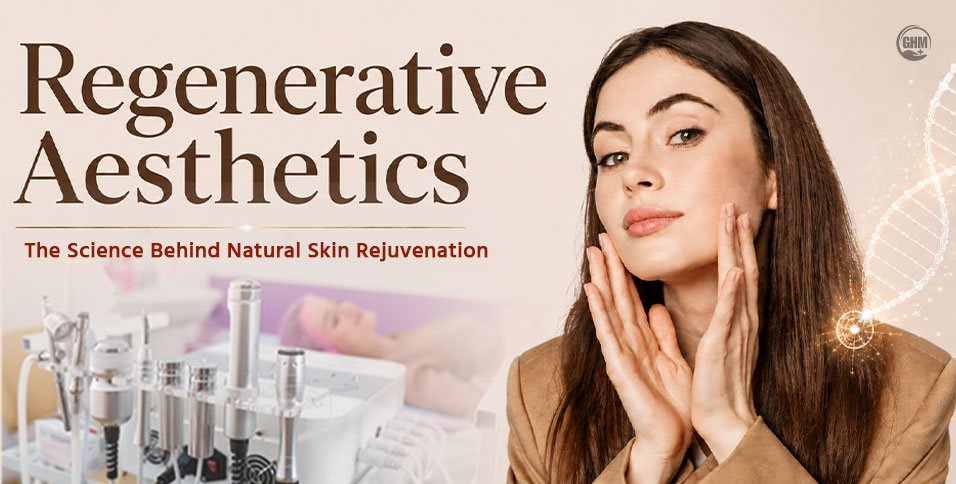
Cosmetic treatments have become a large part of the beauty industry as well as the medical sector. Patients today increasingly demand subtle, long-lasting results that highlight their natural features rather than masking them. Progressively, “regenerative aesthetics” has emerged as the solution to this demand by using your own biological power to reverse the aging clock. This science-backed approach focuses on healing from within rather than just masking surface issues.
Unlike traditional fillers that simply add volume and can sometimes look artificial, regenerative aesthetics focuses on healing the skin from within. This innovative field represents a paradigm shift, moving away from synthetic materials toward biologic-based therapies. By choosing these advanced methods, you can achieve a youthful glow that feels entirely authentic.
What Is Regenerative Aesthetics?
Regenerative aesthetics is a revolutionary branch of medicine focused on repairing and replacing damaged skin tissues. While traditional aesthetics might focus on surface-level issues, this approach delves deeper into cellular health. It effectively bridges the gap between complex regenerative medicine and everyday cosmetic care.
The core principle involves activating your skin’s innate ability to heal and produce essential proteins. These treatments utilize “biologics” to stimulate the body’s natural repair processes. Because it addresses aging at a cellular level, the results look more harmonious with your natural facial structure.
Today, regenerative medicine serves as the foundation for these treatments. It aims to restore the structure and function of tissues damaged by age or environmental factors.
How Regenerative Aesthetics Works
The science of regenerative aesthetics relies on cellular communication and growth factors. As we age, our natural production of collagen and elastin significantly slows down. This decline leads to the fine lines and sagging skin we often seek to correct.
Regenerative aesthetics works by introducing signaling proteins that trigger a healing response.
- Cellular Communication: Treatments use growth factors to act as messengers between cells.
- Collagen Stimulation: These messengers trigger the body to produce new collagen and elastin.
- Tissue Repair: The process restores the structural integrity of damaged skin.
Popular Regenerative Aesthetic Treatments
Various aesthetic treatments now harness these biological mechanisms to provide non-surgical rejuvenation.
1. Platelet-Rich Plasma (PRP)
PRP facial rejuvenation remains a top choice for natural aging solutions. A professional extracts a small amount of your blood and processes it to concentrate the platelets. These platelets contain growth factors that stimulate collagen and promote tissue repair. Because it uses your own material, the risk of an allergic reaction is virtually zero.
2. Platelet-Rich Fibrin (PRF)
PRF treatment represents the “next generation” of platelet therapy. It contains a higher concentration of white blood cells and fibrin than platelet-rich fibrin (PRF). The fibrin acts as a scaffold, releasing growth factors slowly over an extended period, which leads to more sustained and robust tissue regeneration.
3. Microneedling With Growth Factors
The microneedling procedure uses tiny needles to create controlled micro-injuries in the skin. These injuries trigger a natural healing response. When combined with topical growth factors, microneedling significantly enhances overall skin texture. This combo is highly effective for treating acne scars and fine lines.
4. Exosome Therapy
Exosome therapy is the cutting edge of regenerative aesthetics. Exosomes are tiny vesicles that facilitate communication between cells. They deliver a concentrated dose of regenerative proteins to reduce inflammation and accelerate healing. This advanced therapy effectively reduces inflammation and enhances skin hydration.
5. Collagen Stimulators (Sculptra)
Unlike traditional fillers, Sculptra acts as a collagen stimulator. It uses poly-L-lactic acid to trigger your body’s own collagen production. The results emerge gradually over several months, providing a subtle lift. Sculptra often lasts for two years or more.
Benefits of Regenerative Aesthetics
Choosing regenerative aesthetics offers several distinct advantages over invasive surgeries:
- Natural-Looking Results: Improvements appear gradually, avoiding an “overdone” look.
- Lower Risk Profile: Using your own biological material reduces the risk of allergic reactions.
- Minimal Downtime: Most patients return to normal activities almost immediately.
- Long-Lasting Outcomes: These treatments improve the skin’s actual structure, with results often lasting a year or more.
- Versatility: These regenerative aesthetic treatment methods effectively treat wrinkles, scars, and even hair loss.
Who Should Approach Regenerative Aesthetics?
Most individuals experiencing early to moderate signs of aging make excellent candidates for regenerative aesthetics.
You might be an ideal fit for regenerative aesthetics if you:
- Prefer non-surgical facial rejuvenation.
- Want to utilize your body’s own healing capabilities.
- Have realistic expectations about gradual, progressive results.
- Can commit to a series of sessions for optimal maintenance.
Whether you are in your 30s seeking prevention or your 60s seeking restoration, these therapies offer significant value.
Consulting a dermatologist or aesthetic nurse practitioner can help you determine the best path for your unique skin type.
Risks & Limitations of Regenerative Aesthetics Procedures
While regenerative aesthetics is generally safe, you should remain aware of certain factors.
Common side effects of regenerative aesthetics include temporary redness, minor swelling, or bruising. Because these treatments rely on your body’s biology, results can vary between individuals. Furthermore, newer therapies like exosomes require highly experienced practitioners for the best outcomes.
It is vital to consult a qualified healthcare professional to ensure the best care.
The Future of Regenerative Aesthetics
The field of regenerative aesthetics continues to evolve rapidly with new biologic innovations. Research into tissue engineering and stem cell signaling continues to evolve rapidly. Experts predict a move toward even more personalized treatments tailored to an individual’s genetic profile. As more people prioritize longevity and wellness, these therapies will likely become the standard for anti-aging care.
End Note
Regenerative aesthetics marks a paradigm shift in modern beauty and wellness. It specifically combines the principles of regenerative medicine with aesthetic goals. Regenerative aesthetics offers a powerful way to reclaim your youth without sacrificing authenticity. By stimulating your own collagen and utilizing growth factors, you address the root causes of aging.
Whether you choose PRP, PRF, or exosome therapy, the goal remains a healthier, more vibrant version of yourself with a powerful way to rejuvenate your appearance.
Frequently Asked Questions
- Is regenerative aesthetics safe?
Yes, these treatments are generally very safe because they often use your own blood or natural proteins, minimizing the risk of rejection.
- How long do the results of a regenerative aesthetics procedure last?
While many traditional treatments fade quickly, results from regenerative aesthetics can last from 12 months to over two years, depending on the specific procedure.
- Are regenerative aesthetics treatments painful?
Most patients report minimal discomfort during the regenerative aesthetics treatments. Providers typically apply a topical numbing cream to ensure the 30–60 minute procedure is comfortable.
- Can regenerative aesthetics treatments be combined with Botox or fillers?
Yes. Many practitioners use an integrated approach, pairing regenerative therapies with neurotoxins for comprehensive rejuvenation.