Patients walk out of a pharmacy with their medicines in hand, and the health professional who dispensed them is no longer beside them. What happens next, in homes and kitchens and conversations with relatives, became the question that shaped a career.
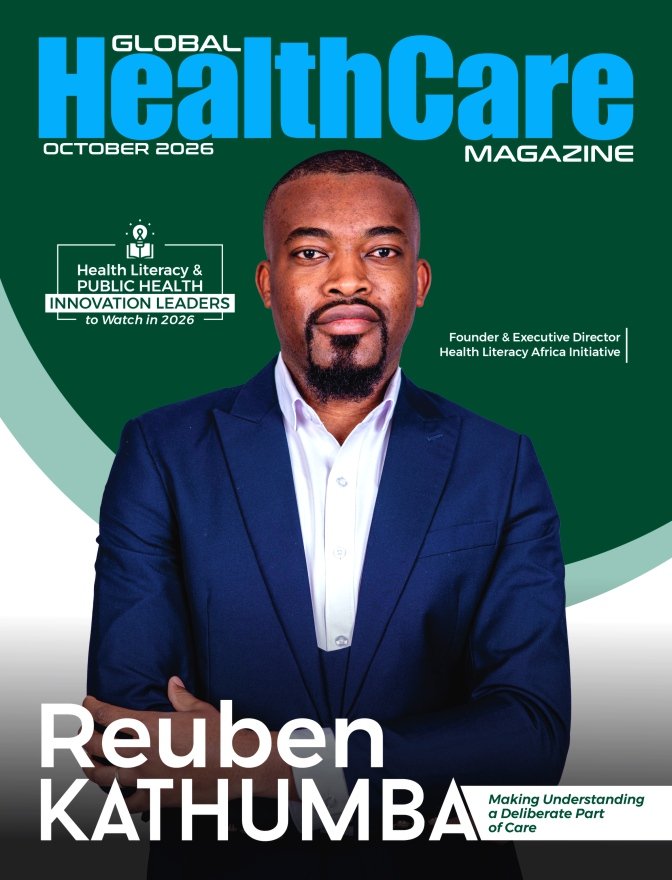
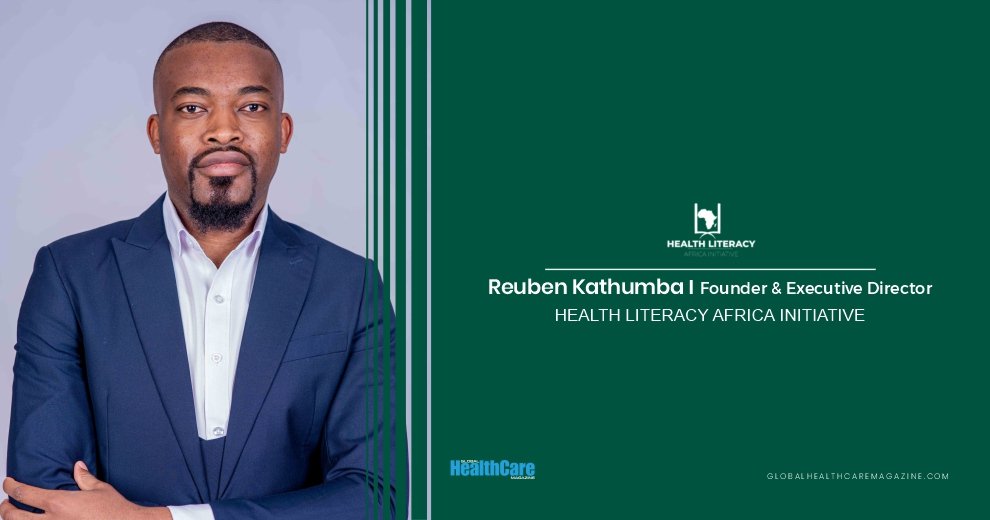
The man who kept returning to that question is Reuben Kathumba, Founder and Executive Director of Health Literacy Africa Initiative (HLAI).
A Career Across the Health System
Reuben’s path has moved through several rooms of the health system. He began with public-sector pharmacy work, then stepped into community pharmacy leadership, and later added clinical learning and authorship.
His training gave him two lenses. One is information systems, the other clinical dermatology. Together they shaped how he thinks about the way knowledge travels, and where it stalls. He founded HLAI to make understanding a deliberate part of care.
What He Saw Along the Way
Reuben has seen misinformation and peer pressure contribute to drug abuse. He has also seen harmful skin-lightening practices.
He has observed spiritual leaders face preventable health difficulties without trusted professional guidance. Taken together, these experiences led him to establish HLAI as a way to make reliable, useful health guidance part of people’s everyday lives. The organisation also connects people with qualified professionals before harmful advice becomes harmful action.
A Definition With Roots in Place
For Reuben, health literacy involves finding health information, making sense of it, evaluating it critically, and using it to guide decisions about health and care.
Across African communities, people’s ability to engage with health information is influenced by the languages they speak, cultural expectations, family perspectives, and financial circumstances. A good explanation has to hold up outside the clinic, in the settings where people actually make decisions. He adds that the idea carries a duty for institutions too, which must make healthcare understandable and accessible.
The Problem of Trust
Reuben names the central difficulty plainly: “The greatest challenge is knowing which information to trust.”
Several forces feed that confusion. Medical jargon can make information harder to understand. Unverified health claims circulate freely, and convincing but inaccurate AI-generated advice has joined them. Social media encourages sharing before checking.
His response is to build a habit of inquiry. People need help to question sources, recognise uncertainty and seek professional guidance before they act on health information or pass it on.
One Collection, Many Audiences
Reuben begins every project with the same discipline: “I begin with each audience’s needs.” That principle shapes HLAI’s seven-book collection, covering men, women, youth, parents, corporate wellness, pastors and faith communities, and dermatology for non-dermatologists. Each resource connects evidence with practical decisions.
His dermatology work carries a particular focus. It addresses African practice and skin of colour.
Decisions That Reach the Family
For Reuben, health literacy shows up in ordinary choices. These include understanding what a medicine is for, raising concerns with a professional, weighing prevention advice and recognising when to seek help. Those decisions matter to patients and to their families, who can ask informed questions and take part in care with more confidence.
He is candid about the limits. “Understanding cannot remove financial barriers,” he says, which is why education must travel alongside efforts to improve access to affordable services.
Many Hands, Clear Responsibilities
Reuben sees the work as shared. Healthcare professionals, he says, should explain clearly and check understanding respectfully. Teachers can develop questioning skills early, while community organisations make education locally relevant. Policymakers can embed accessible communication in services. Community partners can extend health education through familiar, trusted spaces, provided their roles are clearly defined, and the effectiveness of their efforts is assessed by what people learn and understand.
Listening Face to Face
Reuben’s method for community engagement is personal. Face-to-face conversations help him understand what people are worried about, and they give people room to put their questions into words. “People benefit from knowing that someone is listening,” he says.
He relies on ‘teach-back’, which invites someone to explain information in their own words. It lets him check understanding and improve the explanation. Collaboration with schools, workplaces and faith organisations can extend this approach while keeping community needs at the centre.
The Digital Horizon
Reuben sees technology as another way to extend health education. He envisages chatbots, a WhatsApp channel and website-based, self-paced learning, with personalised logins and uploaded resources for easy access.
Animations, voiceovers and podcasts could serve different learning preferences, languages and literacy levels. He attaches conditions to all of it. Professional review, clear sources, privacy safeguards and routes to human guidance would help these tools extend trusted education and address misinformation.
A Launch and Early Recognition
HLAI launched in Harare in April 2026, alongside Reuben’s seven-book series. Since then, the resources have reached a leading pastoral training institute, where they support health education in ministry training.
Invitations to speak at the Skin & Wellness Conference and other conferences have opened further opportunities to share his expertise. His proposal, “Breaking the Wall of Health Illiteracy,” was placed among 15 finalists from 104 applicants at Falling Walls Lab Zimbabwe 2026.
He is clear about what comes next. “Our next priority is measuring learning and practical application.”
Trends Shaping the Years Ahead
Looking forward, Reuben expects three developments to matter most to African communities: community-led education, remote professional support and the ability to recognise misinformation. Guidance, in his view, must work where money, connectivity and services are limited.
He points to practical tools for reaching people. These include trained community health workers, local-language radio, basic-phone messaging and offline resources.
AI, he notes, offers opportunities to expand access to health information, but people need the skills to evaluate its answers critically and recognise when professional care is needed. Reuben is also willing to partner with organisations and individuals who share HLAI’s vision, working together to scale its health-literacy initiatives and extend their reach to more communities.
The Vision Ahead
Reuben hopes to introduce early health-literacy education in schools and extend it into communities through languages people know and use in daily life.
He envisions Health Literacy Hubs in churches, where communities can access guidance from qualified professionals, supported by trained Health Literacy Champions who help make reliable information easier to understand and encourage earlier help-seeking. These efforts aim to strengthen drug-abuse prevention and reduce preventable skin problems through education and timely support.
Beyond books, HLAI could develop multilingual programmes and licensable tools that partners can adapt to local needs. Reuben welcomes partnerships with organisations and individuals to test, measure and scale effective approaches, extending HLAI’s reach while preserving its personal, community-rooted approach.
Quotes