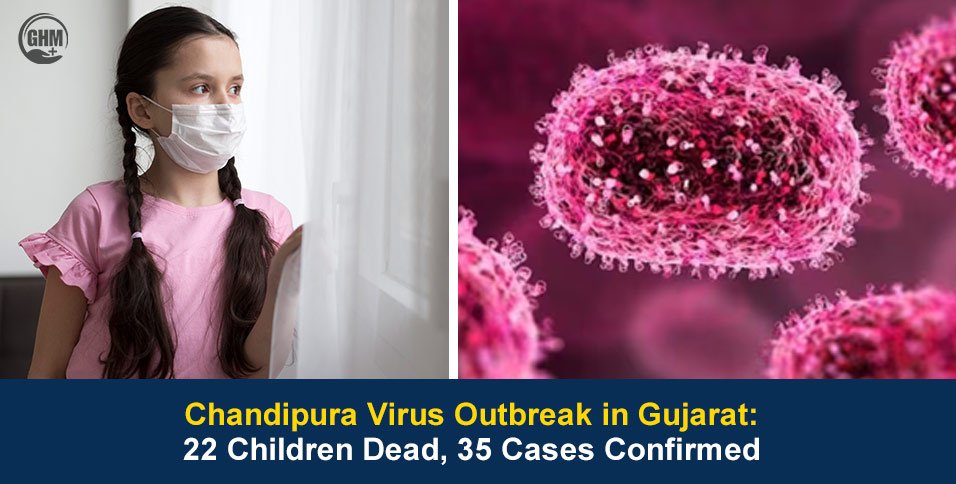
India’s Gujarat is witnessing a Chandipura virus outbreak that is continuously spreading, with 22 children’s deaths and 184 suspected cases reported across the state. According to the public health authorities, in the Chandipura virus outbreak in Gujarat, 35 cases have tested positive, 11 test results are pending, and 7 children are currently receiving specialist treatment. 6 patients have recovered and been discharged. The confirmed Chandipura virus cases are among children under 15, prompting the Gujarat health department to place its health machinery on high alert.
The Gujarat Chandipura virus outbreak response has been intensified across several districts, including Gandhinagar, Sabarkantha-Himatnagar, Patan, Rajkot and Bhavnagar. Authorities have also stepped up vector-control measures as the monsoon continues.
What Is The Chandipura Virus Outbreak In Gujarat?
Chandipura virus is an insect-borne viral infection that can cause acute encephalitis, meaning inflammation of the brain. The disease can progress quickly and may result in serious neurological complications, particularly in children.
The virus was first identified in Maharashtra in 1965 and is known as Chandipura vesiculovirus, or CHPV. Additionally, some clinical cases of acute encephalitis in children were reported in July 2024 in Gujarat.
The supplied reports identify sandflies as the primary vector. The insects can live around cracks in mud or sand-built structures, making environmental control an important part of the response.
Unlike infections that spread through respiratory droplets or direct contact, Chandipura virus does not spread from person to person and is not considered contagious.
Why Are Children More Vulnerable to Chandipura Virus Infection?
Children have accounted for the most severe outcomes associated with the current Chandipura virus outbreak in Gujarat, according to reports. Doctors say children’s vulnerability to Chandipura virus is due to a combination of developing biology, behaviour and the difficulty of recognising early neurological symptoms.
The Chandipura virus infection does not selectively target children. However, a young child’s developing nervous system may be less able to cope with severe inflammation. In children under five, the blood-brain barrier is still developing.
Children may also have greater exposure to sandflies because they spend more time close to the ground, where these insects causing Chandipura commonly remain. Young children may crawl, sit or play outdoors with uncovered arms and legs, potentially increasing exposure.
There is currently no approved vaccine or specific targeted medication for Chandipura virus. Therefore, Treatment for Chandipura infection centres on rapid medical assessment, supportive care and intensive monitoring when complications develop.
What Are Symptoms of Chandipura Virus Parents Should Know?
Early symptoms of Chandipura virus can resemble other infections, making the illness difficult to identify at first. Reported Chandipura symptoms include fever, vomiting, and other viral-like symptoms. As the Chandipura virus infection affects the brain, more serious warning signs can appear.
Parents should seek urgent medical attention if a child develops:
- Sudden excessive sleepiness or reduced responsiveness
- Persistent vomiting
- Refusal to feed
- Weak or floppy limbs
- Loss of head control
- Seizures or convulsions
- Unusual behaviour or altered consciousness
Doctors have warned that the disease can progress rapidly once neurological symptoms develop.
Recovery may not always mean a complete return to normal health. Some survivors can experience seizures, weakness, speech delays, movement problems or developmental difficulties and may require rehabilitation.
How Is Chandipura Virus Outbreak In Gujarat Being Controlled?
Authorities have expanded surveillance and containment efforts because suspected Chandipura virus cases have been reported across different parts of Gujarat rather than being concentrated in one location.
Ground teams are carrying out intensive insecticide spraying around cattle-rearing areas, while residents have been advised to seal cracks in mud walls that could provide shelter for sandflies. Public and private paediatric hospitals have also been instructed to admit symptomatic children promptly and maintain intensive-care facilities with oxygen and ventilator support.
The measures are designed to reduce vector exposure during this Chandipura virus outbreak in Gujarat while ensuring children who become seriously ill can receive critical care quickly.
What Should Parents Do?
Reducing contact with sandflies remains a key preventive measure.
To prevent Chandipura virus infection, health experts recommend:
- Using insecticide-treated nets where appropriate
- Dressing children in long-sleeved clothing and trousers
- Using child-safe insect repellent according to healthcare advice
- Keeping homes and surrounding areas clean
- Following local vector-control instructions
Families should not wait for a child to describe symptoms because toddlers may be unable to communicate. Sudden fever followed by drowsiness, weakness, seizures, or confusion should not be dismissed as a routine illness. Prompt medical evaluation can be critical as authorities continue to monitor the Chandipura virus outbreak in Gujarat during the monsoon.