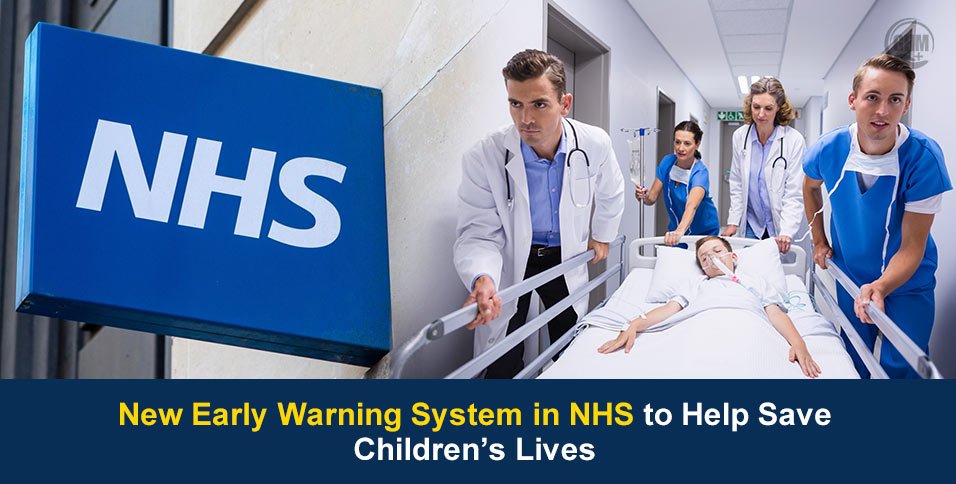
NHS England is introducing a new early warning system in NHS emergency departments across the country to help doctors and nurses identify seriously ill children faster and provide timely treatment. The National Paediatric Early Warning System (PEWS) will begin rolling out in emergency departments (A&E) from winter 2026, giving healthcare professionals a standardised way to monitor children’s health and recognise signs of deterioration.
The NHS child safety initiative aims to strengthen paediatric patient safety, particularly during busy winter periods when hospitals face increased pressure. More than six million children attend emergency departments in England every year, making early identification of serious illness an important healthcare priority.
The new early warning system in NHS will also ensure that concerns raised by parents, carers and children receive attention, even when clinical assessment scores appear low.
How Does the New Early Warning System in NHS Work?
The National Paediatric Early Warning System uses a clinical scoring method to help medical teams recognise when a child’s condition is worsening. Doctors and nurses measure, record, and assess vital signs, which are basic indicators of how the body is functioning.
These signs include:
- Heart rate: How quickly the heart beats.
- Breathing rate: How many breaths a child takes per minute.
- Blood pressure: The force of blood against artery walls.
- Oxygen levels: The amount of oxygen circulating in the blood.
- Consciousness: The child’s level of alertness and responsiveness.
Healthcare professionals use these observations to calculate an overall PEWS score. A higher score indicates that a child needs more urgent medical attention, helping staff prioritise patients and escalate treatment when necessary.
The new early warning system in NHS will also include separate, age-appropriate assessment charts for babies, children and young people. These charts account for changes in normal vital signs as children grow, supporting more appropriate clinical assessments.
Why Is the NHS Introducing PEWS in Emergency Departments?
The launch of a new early warning system in NHS is intended to strengthen its approach to identifying deteriorating children in hospitals. More than 90 hospitals across England already use the National Paediatric Early Warning System in paediatric inpatient wards. NHS England reports that these hospitals have consistently lower rates of cardiac arrests among their patients.
The Child Health Monitoring System in NHS emergency departments extends this approach to the frontline of children’s emergency care in England, where medical teams must assess patients quickly and manage high demand.
The rollout of the National Paediatric Early Warning System also forms part of the NHS’s winter healthcare preparations. Emergency departments often face additional pressure during winter, making timely assessment and treatment particularly important.
Duncan Burton, Chief Nursing Officer for England, said the standardised approach would help staff “recognise the warning signs, communicate concerns, and make timely decisions when every moment matters.”
How Will Parents’ Concerns Trigger Immediate Escalation of Care?
An important feature of the new early warning system in NHS emergency departments is its emphasis on listening to children and their families.
PEWS does not replace professional judgement or allow staff to rely entirely on numerical scores. Instead, concerns raised by healthcare professionals, parents, carers or children themselves can trigger an immediate escalation of care, even when the child’s clinical score remains low.
This approach recognises that parents and caregivers may notice changes in a child’s behaviour or condition that routine measurements do not immediately capture.
Professor Lynn Woolsey of the Royal College of Nursing welcomed the system, highlighting the importance of listening to families and establishing consistent assessment practices across emergency departments and paediatric wards.
However, she also stressed that hospitals need sufficient nursing staff, clinical capacity, training and support to use the system effectively.
How PEWS Connects With NHS Child Safety Measures?
The new early warning system in NHS complements other NHS patient safety measures designed to identify deteriorating patients and ensure families receive appropriate attention.
One such initiative is Martha’s Rule NHS, which gives patients, families and carers a way to request an urgent clinical review if they believe a patient’s condition is worsening and their concerns are not being addressed.
The initiative follows the death of 13-year-old Martha Mills in 2021 after developing sepsis in hospital. Her family’s concerns about her deteriorating condition were not acted upon in time.
The NHS is also developing new standards for children’s treatment in A&E, including plans to eliminate NHS corridor care for children as a priority. These measures aim to improve hospital safety and ensure children receive appropriate attention when they need it.
What Is The Next Step In NHS Child Safety Initiative?
NHS England will introduce PEWS in emergency departments from winter 2026, supported by staff education, clinical guidance and implementation resources. The nationwide rollout is expected to make England’s programme the world’s largest standardised paediatric early warning scoring system.