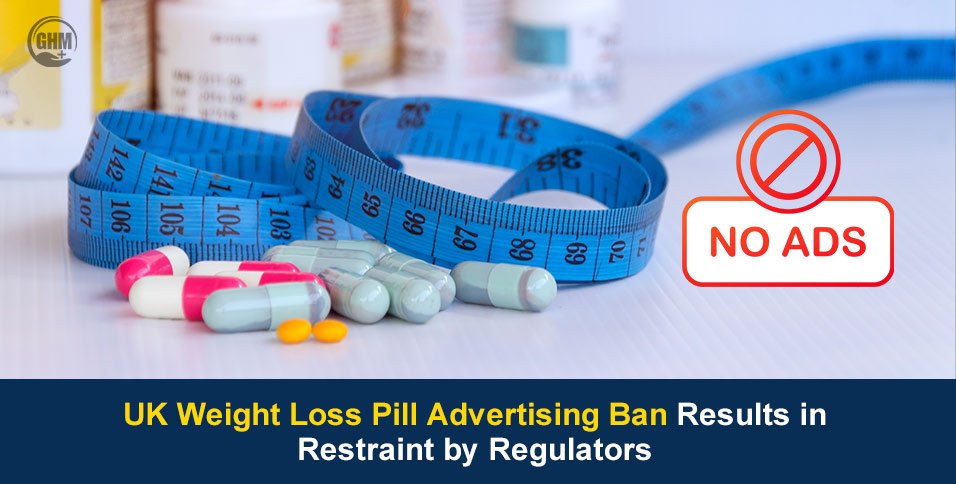
In a major step forward, the Advertising Standards Authority (ASA) banned advertisements promoting oral weight-loss medicines to the public for the first time. The UK weight loss pill advertising ban rulings involved Simple Online Pharmacy and Pharmacy Online, which promoted oral GLP-1 treatments through social media and websites.
The ASA found that one Simple Online Pharmacy advert promoted an oral GLP-1 treatment before such a medicine had UK authorisation, while Pharmacy Online promoted the oral Wegovy tablet after it had become a prescription-only medicine.
Why Did The UK Weight Loss Pill Advertising Ban Require Action?
The UK weight loss pill advertising ban follows two different advertising breaches involving emerging oral GLP-1 treatments.
Simple Online Pharmacy published a paid Instagram advertisement on June 1, 2026, using phrases including “NO NEEDLE. COMING SOON” and inviting consumers to join a waiting list. At that time, no oral GLP-1 medicine for weight management had UK marketing authorisation.
The first oral GLP-1 tablet for weight management, semaglutide or Wegovy, received approval from the Medicines and Healthcare products Regulatory Agency (MHRA) on June 11, 2026. It became a prescription-only medicine (POM), meaning it requires a prescription from an authorised healthcare professional.
Pharmacy Online was separately found to have promoted the oral Wegovy tablet after it received POM status. Its advertising included a website pop-up inviting consumers to pre-order the treatment and paid social media advertisements.
Why Does The Ban on Oral Weight Loss Drug Ads in the UK Matter?
The ban on oral weight loss drug ads reflects long-standing UK weight management drug regulations.
Medicines must have an appropriate UK marketing authorisation before they can be advertised. In addition, prescription-only medicines cannot be promoted directly to the public.
The regulators made this position particularly clear in June 2026. The MHRA, ASA and General Pharmaceutical Council (GPhC) warned businesses that even references such as “GLP-1 tablets,” “oral GLP-1s” or “new weight-loss tablets” could breach advertising rules when they referred to unlicensed or prescription-only products.
The MHRA said medicinal products are not ordinary consumer goods and warned that creating consumer demand before regulatory assessment and authorisation is not permitted.
ASA Oral GLP-1 Ruling Also Covers Indirect Advertising
Breaching the rule of the UK weight loss pill advertising ban has broader implications because advertisers do not necessarily need to name a specific medicine to attract regulatory action.
The ASA issued additional rulings against MedExpress, Juniper and the Care Pharmacy for advertising prescription-only medicines without directly naming the products. Its research found that consumers could still recognise some advertisements as referring to weight-loss medicines.
This means advertisers must consider the overall impression created by an advertisement rather than relying on indirect language to avoid restrictions. The ASA said it would continue monitoring emerging advertising approaches in the weight-management sector.
UK Weight Management Drug Regulations Face Wider Scrutiny
The latest advertising bans forms part of a wider regulatory crackdown under UK weight management drug regulations.
In September, the MHRA said nine companies had amended advertising after regulatory action involving emails, website content and posters promoting prescription-only weight-loss medicines. The organisations included Simple Online Pharmacy, Pharmacy Online, The Family Chemist and other pharmacy and healthcare providers.
The MHRA has repeatedly stressed that treatment providers can promote their consultation or healthcare service, but advertisements cannot be likely to lead members of the public to use a prescription-only medicine.
The regulator has also acted against indirect references to GLP-1 medicines and weight-loss injections, showing that enforcement extends beyond advertisements that explicitly display a drug name.
UK Launch of Oral Wegovy Faces Continued Regulatory Attention
The launch of oral Wegovy in the UK has created a new challenge for regulators because oral GLP-1 medicines are entering an already competitive weight-management market.
Catherine Drewett, investigations manager at the ASA, said the licensing of oral GLP-1 medicines represented a significant development in treatment options but also created “new challenges” for regulators. She stressed that oral medicines, like prescription-only injections, cannot be advertised to the public.
Conclusion
The MHRA has welcomed the ASA action regarding the UK weight loss pill advertising ban and said it takes breaches involving prescription-only weight-loss medicines seriously. The agencies are continuing to work together with the GPhC to address advertising that could put public safety at risk.
For patients, the ban on oral weight loss drug ads does not mean oral GLP-1 medicines themselves have been prohibited. Instead, it reinforces the distinction between legitimate access to prescription treatment following clinical assessment and advertising that encourages public demand for prescription-only medicines.