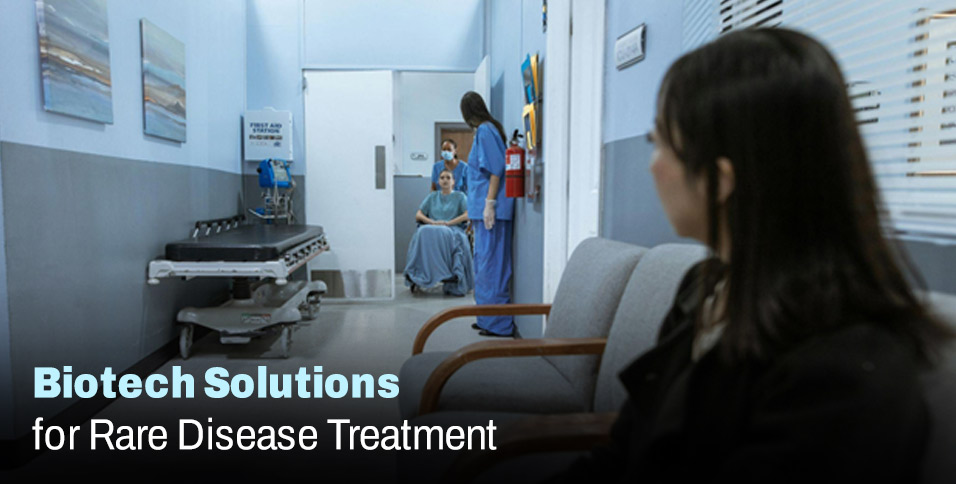
Rare diseases often feel invisible. Many of them have no treatments at all. For the families affected, this reality is devastating. But biotechnology is changing the story. Scientists are finding smart new ways to tackle these illnesses at their source. The progress feels fast and personal.
The Power of Seeing Inside Cells
Before scientists can fix a problem, they need to see it clearly. This is where advanced imaging tools come into play. Researchers now use sophisticated devices to watch how potential drugs behave in real human tissue. One powerful method involves highly sensitive fluorescence microscopes that can track single molecules inside cells. These tools let scientists see if a new therapy is hitting the right target. They can observe how a drug interacts with diseased cells at a microscopic level. This visual proof is essential before moving to human trials. It builds confidence that a treatment might actually work.
Gene Therapies for the Littlest Patients
Some of the most exciting work involves gene therapy. This approach fixes the root genetic error causing the disease. Andelyn Biosciences recently did something remarkable for a baby girl named Elly. She has a rare, deadly disorder called NEDAMSS. There were no existing treatments for her condition. Her family worked with Andelyn to create a custom gene therapy just for her. The company manufactured it in only ten months. Elly received the therapy in New York City. She is the first child ever treated for this specific gene deficiency. Early signs show the therapy is safe and well-tolerated. It gives hope to other families with the same diagnosis.
A New Way to Heal Skin from the Outside In
Gene therapy is not the only creative solution in town. ResVita Bio is trying something completely different for a rare skin disease called Netherton Syndrome. This condition causes severe inflammation and skin barrier defects. There are no approved treatments for it yet. ResVita engineered a special type of harmless bacteria. Patients apply this bacteria directly onto their skin like a cream. The bacteria then produce therapeutic proteins continuously on the skin surface. This method solves the problem of protein drugs that break down too quickly. The FDA just cleared the way for this therapy to move toward clinical trials.
Building Companies Dedicated to the Rare
Big pharmaceutical companies often ignore rare diseases. The patient populations are just too small to make a profit. But new business models are emerging to fill this gap. GEMMABio launched a new affiliate called RareTx. This company focuses exclusively on ultra-rare disorders like GM1 gangliosidosis and Krabbe disease. They use public-private partnerships to reach patients globally. Their goal is to make treatments available no matter how rare the disease is. They also want to ensure access regardless of a country’s ability to pay. This approach tackles the economic barrier head-on.
Small Molecules and Big Potential
Gene therapies grab headlines, but small molecules are still vital. GondolaBio is developing an oral drug for a condition called erythropoietic protoporphyria. People with this disease experience severe pain when exposed to sunlight. The condition ruins their quality of life. GondolaBio’s drug candidate, PORT-77, works by reducing a toxic compound in the blood. It is currently in Phase 2 development. If successful, it could be the first disease-modifying treatment for these patients.
Better Research Tools for Better Medicines
Developing these new treatments requires better research tools. Bio-Techne created a technology called RNAscope to help with this. It allows scientists to see exactly where a gene therapy lands in the body. Researchers can count how many cells are expressing the new gene. This was crucial for Adverum Biotechnologies. They used it to develop a gene therapy for an inherited eye disease. The data helped them prove their therapy worked in hard-to-test tissues. It played a key role in getting FDA orphan drug status for their candidate.
A Future Built on Innovation
The field is moving incredibly fast. Scientists are no longer just managing symptoms. They are designing cures. They use tools like fluorescence microscopy to guide their way. They build new platforms to deliver treatments. They create companies specifically for the ultra-rare. Each small step forward changes lives. For patients with rare diseases, biotech is finally offering something powerful: real hope.