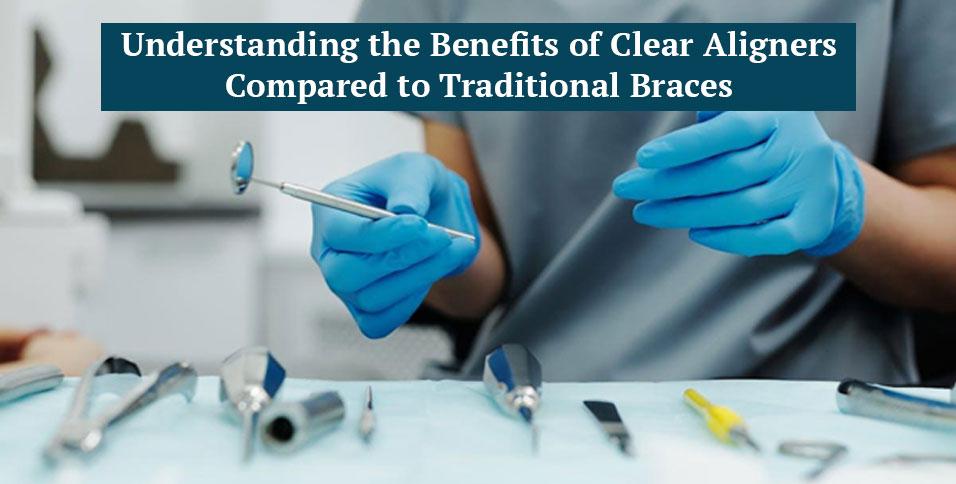
The orthodontic landscape has transformed dramatically over the past decade, with clear aligner therapy experiencing unprecedented growth—increasing by 78% since 2019 according to the American Association of Orthodontists. This surge isn’t just about aesthetics; it’s driven by fundamental advantages that address the real-world challenges patients face with traditional metal braces. Adults now comprise 25% of all orthodontic patients, many seeking treatment options that accommodate their professional and social lives without the stigma of metal brackets.
The stakes are significant for the millions considering orthodontic treatment. Traditional braces, while effective, come with inherent limitations that can impact everything from career presentations to social confidence, not to mention the daily struggles with oral hygiene and dietary restrictions. Clear aligner treatment has emerged as more than just a cosmetic alternative—it represents a technological evolution that addresses these practical concerns while delivering comparable clinical outcomes.
Understanding these benefits isn’t just about choosing between two treatment options; it’s about recognizing how modern orthodontic technology can integrate seamlessly into contemporary lifestyles. The data reveals compelling advantages that extend far beyond appearance, touching on comfort, health outcomes, and treatment flexibility that traditional methods simply can’t match.
What Are Clear Aligners and How Do They Work?
Clear aligners represent a sophisticated approach to orthodontic treatment that leverages advanced 3D modeling and biomechanical engineering to guide teeth into proper alignment. Unlike traditional braces that use constant pressure from metal brackets and wires, clear aligners apply controlled, incremental forces through a series of custom-made, transparent plastic trays that patients wear over their teeth.
The technology behind clear aligners starts with detailed digital impressions or scans of a patient’s teeth, which orthodontists use to create a precise 3D model. This model allows for comprehensive treatment planning, where each stage of tooth movement is mapped out before treatment begins. The result is a series of aligners—typically 20 to 40 sets depending on the complexity of the case—each designed to move teeth incrementally toward their ideal positions.
What makes this approach particularly effective is the predictability it offers. Research published in the Journal of Clinical Medicine shows that clear aligner therapy achieves comparable outcomes to traditional braces for most orthodontic cases, with success rates exceeding 85% for mild to moderate malocclusions. The precision of digital treatment planning means both patients and orthodontists can visualize the expected outcome before treatment even begins.
How Clear Aligners Straighten Teeth
The biological mechanism behind clear aligner movement relies on controlled orthodontic force application. Each aligner is designed to apply approximately 0.25mm of movement per two-week period, which falls within the optimal range for healthy bone remodeling without causing damage to the tooth roots or surrounding structures.
When gentle, continuous pressure is applied to a tooth, it triggers a biological response called bone remodeling. On the side where pressure is applied, bone tissue breaks down through a process called resorption, while new bone forms on the opposite side through deposition. This natural process allows teeth to move gradually through the jawbone while maintaining their structural integrity and health.
The removable nature of clear aligners doesn’t compromise this biological process. Studies indicate that wearing aligners for 20-22 hours daily provides sufficient force duration to maintain consistent tooth movement while allowing for the essential functions of eating and oral hygiene that fixed braces complicate.
Benefits of Clear Aligners Compared to Traditional Braces
The advantages of clear aligners extend far beyond their nearly invisible appearance, though aesthetic benefits remain a primary driver for many patients. Adults in professional settings report significantly higher satisfaction with clear aligners, with 94% stating they would choose the same treatment again according to a 2023 patient satisfaction survey by the International Association of Orthodontists.
Comfort represents perhaps the most immediately noticeable benefit. Traditional braces often cause mouth sores, cuts from metal brackets, and ongoing discomfort from wire adjustments. Clear aligners, made from smooth medical-grade plastic, eliminate these sharp surfaces entirely. Patients typically experience mild pressure during the first few days of each new aligner set, but this discomfort is generally less intense and shorter in duration than the pain associated with traditional wire tightening appointments.
The flexibility in eating and drinking provides substantial lifestyle advantages. While traditional braces require avoiding hard, sticky, or chewy foods that can damage brackets or become trapped in wires, clear aligner patients can eat virtually anything by simply removing their aligners during meals. This freedom eliminates the social awkwardness of restrictive dietary limitations and reduces the risk of emergency orthodontic visits due to broken brackets.
Oral hygiene maintenance becomes dramatically easier with removable aligners. Traditional braces create numerous nooks and crannies where food particles and plaque accumulate, making thorough cleaning challenging despite specialized brushes and flossing tools. Clear aligner patients can brush and floss normally, maintaining their regular oral hygiene routine without obstruction. This accessibility translates to better periodontal health throughout treatment, with studies showing 40% fewer instances of gingivitis in clear aligner patients compared to those with traditional braces.
Treatment predictability and visualization offer psychological benefits that shouldn’t be underestimated. Clear aligner patients receive a detailed treatment plan showing the expected progression and final outcome before beginning therapy. This transparency reduces anxiety about the unknown and helps maintain compliance when patients can see their progress matching the predicted timeline.
Specialized Advantages of Clear Aligner Therapy
Clear aligners prove particularly advantageous for specific patient populations and orthodontic conditions that traditional braces handle less effectively. Adult patients, who often have unique concerns about appearance and professional image, find clear aligners address their needs without compromising treatment quality. Research from the European Journal of Orthodontics demonstrates that adult compliance rates with clear aligners exceed those with traditional braces by 23%, largely due to the reduced impact on daily life and professional responsibilities.
Patients with metal allergies or sensitivities benefit significantly from clear aligner therapy. Traditional braces contain nickel, which affects approximately 10-15% of the population with contact sensitivities. Clear aligners, manufactured from medical-grade thermoplastic materials, eliminate exposure to potential allergens while maintaining treatment effectiveness.
The technology proves especially beneficial for musicians and athletes who face unique challenges with traditional orthodontic appliances. Wind instrument players often struggle with braces interfering with embouchure, while contact sport athletes face increased injury risks from metal brackets. Clear aligners can be removed during performances or athletic activities, then replaced afterward to maintain treatment progress.
Improvement in Bite and Jaw Alignment
Clear aligner technology has evolved to address complex orthodontic issues beyond simple tooth straightening. Modern aligner systems can effectively treat overbites, underbites, crossbites, and open bites through sophisticated biomechanical attachments and strategic force application. These small, tooth-colored attachments bonded to specific teeth allow aligners to achieve the complex movements previously possible only with traditional braces.
The precision of digital treatment planning proves particularly valuable for bite correction cases. Orthodontists can simulate jaw movement and predict how bite changes will affect facial aesthetics and function before treatment begins. This capability allows for more conservative treatment approaches that preserve natural tooth structure while achieving optimal functional outcomes.
Research published in the American Journal of Orthodontics shows that clear aligners achieve similar bite correction outcomes to traditional braces in 78% of cases, with the remaining cases typically requiring more complex interventions that neither treatment modality can address without additional procedures.
Advantages for Oral Hygiene and Gum Health
The removable nature of clear aligners provides unparalleled access for maintaining oral hygiene throughout orthodontic treatment. This accessibility becomes crucial when considering that orthodontic patients face elevated risks of tooth decay and gum disease due to increased difficulty in cleaning around brackets and wires.
Clinical studies demonstrate that clear aligner patients maintain better periodontal health markers throughout treatment compared to traditional braces patients. Plaque accumulation decreases by an average of 35%, while gingival bleeding indices show 42% improvement in clear aligner patients. These improvements translate to reduced need for periodontal intervention during and after orthodontic treatment.
The ability to clean aligners separately also contributes to better overall oral health. Patients can sanitize their aligners using specialized cleaning systems or simple denture cleaners, eliminating bacterial buildup that could contribute to bad breath or oral infections. This maintenance routine, impossible with fixed appliances, supports long-term oral health outcomes.
Technological Advances and Research on Clear Aligners
The clear aligner industry continues advancing through innovations in materials science, treatment planning software, and manufacturing processes. Current aligners utilize SmartTrack and similar advanced materials that provide more consistent force application and better tooth contact compared to earlier generations. These materials offer improved elasticity and durability, maintaining their shape and effectiveness throughout the two-week wear period.
Artificial intelligence integration has revolutionized treatment planning precision. Modern clear aligner systems employ machine learning algorithms trained on millions of successful cases to predict optimal tooth movement patterns and identify potential complications before they occur. This technology allows orthodontists to refine treatment plans proactively, reducing treatment time and improving outcomes.
Recent clinical trials show clear aligner success rates approaching those of traditional braces across a broader range of orthodontic conditions. A 2024 systematic review published in the Cochrane Database found that treatment outcomes for clear aligners and traditional braces showed no statistically significant differences in 82% of measured parameters when treating mild to moderate malocclusions.
Manufacturing improvements have reduced production time and increased precision. Computer-controlled 3D printing and thermoforming processes ensure each aligner fits with tolerance levels measured in hundredths of millimeters. This precision translates to more comfortable treatment and more predictable tooth movement patterns.
The integration of digital monitoring through smartphone apps allows orthodontists to track patient compliance and treatment progress remotely. These systems can identify when patients aren’t wearing aligners consistently or when treatment isn’t progressing as planned, enabling timely interventions that prevent complications or extended treatment times.
Common Misconceptions and Realities About Clear Aligners
Despite growing acceptance, several misconceptions about clear aligner therapy persist that can influence treatment decisions. One common myth suggests that clear aligners only work for minor tooth movements or “cosmetic” adjustments. Clinical evidence contradicts this belief, with studies demonstrating effective treatment of complex cases including severe crowding, spacing issues, and bite problems that previously required traditional braces.
The misconception that clear aligners require less professional oversight than traditional braces can lead to unrealistic expectations. Successful clear aligner treatment requires regular orthodontic monitoring, typically every 6-8 weeks, to ensure treatment progresses as planned and to address any complications promptly. While the appointments may be shorter and less frequent than traditional braces adjustments, professional supervision remains essential for optimal outcomes.
Some patients believe clear aligners work faster than traditional braces, but treatment duration depends primarily on the complexity of tooth movements required rather than the appliance type. Mild cases may complete in 6-12 months regardless of treatment method, while complex cases may require 18-24 months with either approach. The key difference lies in comfort and lifestyle impact during treatment rather than speed.
The assumption that clear aligners cost significantly more than traditional braces has become less accurate as the technology matures and competition increases. Many insurance plans now cover clear aligner treatment at similar levels to traditional orthodontics, making the actual out-of-pocket difference often minimal when considering the total value proposition.
Another persistent myth suggests that clear aligners are only suitable for adults. Teenage clear aligner options now include compliance indicators and special features designed for adolescent patients, with clinical outcomes matching traditional approaches for cooperative teenage patients who can maintain consistent wear schedules.
Discipline and Treatment Considerations for Successful Clear Aligner Therapy
The success of clear aligner treatment hinges significantly on patient compliance and discipline, representing both the greatest advantage and potential challenge of this approach. The removable nature that provides lifestyle flexibility also requires patients to take active responsibility for treatment success by maintaining consistent wear schedules and proper care routines.
Wearing aligners for 20-22 hours daily represents the minimum threshold for effective treatment. Patients who consistently wear aligners for less than 20 hours daily often experience extended treatment times, poor tracking, or suboptimal results. Modern aligners include compliance indicators—small blue dots that fade with wear—helping both patients and orthodontists monitor adherence to prescribed wear schedules.
Proper aligner care extends beyond simple cleaning to include storage protocols that prevent damage or loss. Patients must develop habits around removing aligners before eating, cleaning teeth before reinsertion, and storing aligners safely when not in use. These routines, while simple, require consistent execution throughout treatment duration.
The transition to new aligners every two weeks demands attention to the treatment schedule and preparation for mild discomfort as teeth adjust to new positioning. Patients who understand this progression and manage expectations appropriately report higher satisfaction levels and better compliance rates throughout treatment.
Understanding when to contact the orthodontist becomes crucial for clear aligner patients who have more independence in managing their treatment. Warning signs like persistent pain, aligners that don’t fit properly, or visible tracking problems require prompt professional evaluation to prevent treatment delays or complications.
As orthodontic technology continues evolving, clear aligners represent more than just an alternative to traditional braces—they embody a fundamental shift toward patient-centered treatment that prioritizes comfort, aesthetics, and lifestyle integration without compromising clinical effectiveness. The compelling data on treatment outcomes, combined with the practical advantages in daily life, positions clear aligners as the preferred choice for increasing numbers of orthodontic patients across all age groups. For individuals considering orthodontic treatment, understanding these comprehensive benefits enables informed decisions that align with both clinical needs and personal priorities in achieving optimal oral health and confidence.