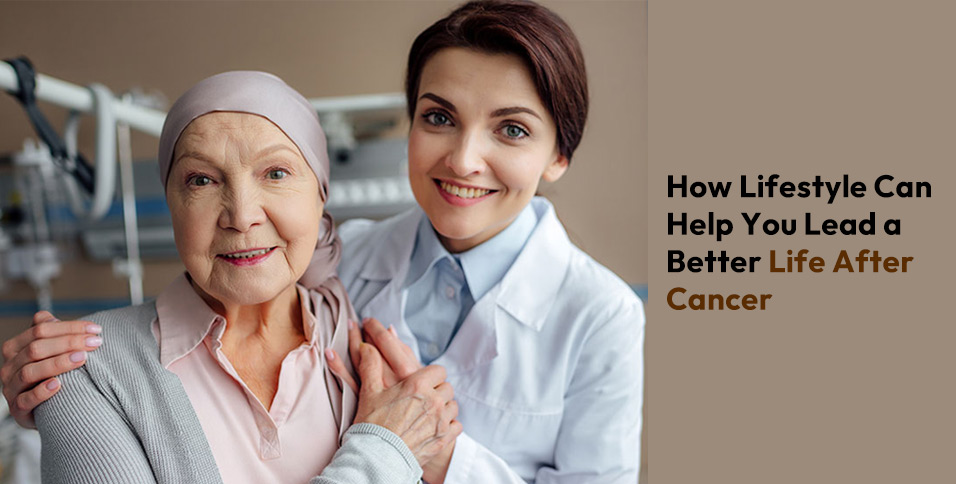
Finishing cancer treatment doesn’t feel the way the films suggest it will. There’s no triumphant moment, no clean before-and-after. More often, there’s a strange flatness. The appointments that structured your entire life drop away, the adrenaline that carried you through treatment starts to lift, and what you’re left with is a body that has been through something significant and a life that needs to be rebuilt around it.
That rebuilding is where lifestyle becomes not just relevant but genuinely therapeutic. Not in the vague, wellness-industry sense of eating more salad and doing yoga. In the specific, physiologically grounded sense that how you sleep, move, eat, manage stress, and connect with other people has measurable effects on recovery, recurrence risk, and long-term quality of life. The research on this has grown substantially over the past decade, and the findings are worth knowing about.
Sleep: The Recovery Tool Nobody Talks About Enough
Cancer treatment dismantles sleep. Chemotherapy disrupts circadian rhythms. Steroids given alongside chemo keep people wired at 3am. Anxiety runs at a particular pitch in the dark. Hormone therapy in breast cancer patients brings hot flushes that break sleep in cycles through the night. By the time active treatment ends, most survivors have months of disrupted sleep architecture accumulated in their bodies.
Sleep matters clinically, not just for energy. During deep sleep, the body repairs cellular damage, consolidates immune memory, and clears inflammatory metabolites. Chronically disrupted sleep elevates cortisol and suppresses natural killer cell activity, both of which matter for cancer surveillance. Getting sleep back is a physiological priority, not a luxury.
Practical approaches with evidence in cancer populations include consistent sleep and wake times to anchor the circadian rhythm, cognitive behavioural therapy for insomnia (CBT-I), which has outperformed sleeping medication in long-term outcomes, and mindfulness-based stress reduction, which addresses the nighttime anxiety loop that many survivors know intimately. Persistent sleep disruption is worth raising with your oncology team rather than just tolerating.
Movement: The Evidence Is Harder to Ignore Now
Exercise oncology has matured significantly as a field over the past fifteen years, and the findings for cancer survivors are striking enough that physical activity is now included in formal survivorship guidelines from organisations including the American Cancer Society and the European Society for Medical Oncology.
The breadth of benefit is what makes it unusual. Exercise improves fatigue, which affects up to 90% of cancer survivors. It preserves bone density relevant to patients on aromatase inhibitors. It supports mental health, maintains muscle mass lost during treatment, and improves cardiovascular fitness compromised by certain chemotherapy agents. In multiple prospective studies, regular moderate physical activity is associated with reduced cancer recurrence risk, particularly in breast, colorectal, and prostate cancers.
The starting point matters less than starting. Walking counts. Gardening counts. Swimming counts. For someone three months out of chemotherapy managing fatigue and peripheral neuropathy, a daily twenty-minute walk is a genuinely good beginning. Consistency over intensity, building gradually over months, is what the evidence supports.
Food: What the Research Actually Supports
The nutrition conversation after cancer is noisy. Everyone has an opinion. Various diets are marketed at survivorship with promises that the clinical evidence doesn’t support. Cutting through that noise requires sticking to what the research consistently shows rather than what sells supplements.
What it shows: plant-rich diets high in vegetables, legumes, whole grains, and fruit are associated with reduced recurrence risk across multiple cancer types. Limiting processed meat, alcohol, and refined sugar reduces chronic inflammation that creates a biological environment more hospitable to cancer recurrence. Maintaining a healthy body weight is one of the most consistently documented modifiable risk factors for cancer recurrence. For those who have dealt with liver cancer specifically, dietary strategy is especially nuanced, since anyone who has looked into alternative liver cancer treatment will know that the liver’s role in metabolising food, supplements, and medications makes personalised nutritional guidance non-negotiable rather than optional.
None of this requires an extreme protocol. The Mediterranean diet pattern, essentially a framework for eating more plants, more healthy fats, more fish, and less processed food, has more robust cancer survivorship evidence than any proprietary dietary programme. An oncology-trained registered dietitian can personalise this to the specific nutritional challenges your treatment created.
Stress and the Body’s Long Memory
Chronic psychological stress has biological consequences directly relevant to cancer survivorship. It elevates cortisol, suppressing immune surveillance. It drives inflammation, creating a tissue environment that supports cancer cell survival. It disrupts sleep and reduces consistency of other healthy behaviours. Stress management after cancer is a physiologically significant intervention, not a soft afterthought.
Mind-body practices have the most evidence here. Mindfulness-Based Stress Reduction, yoga adapted for post-treatment bodies, guided imagery, and structured breathing all have clinical trial support in cancer populations for reducing anxiety, improving sleep, lowering inflammatory markers, and improving quality of life. The MBSR programme specifically has shown effects comparable to antidepressant medication for depression in cancer survivors in several well-designed trials.
Access to these practices is where a structured cancer support program becomes practically important. Many survivors know they should be managing stress better but don’t know where to start, can’t afford private therapy, or feel that their distress doesn’t merit clinical attention because they’re ‘just’ in remission. A structured programme provides the access, the accountability, and the community that makes these practices sustainable rather than aspirational.
Connection: The Underrated Medicine
Social isolation is a documented risk factor for worse cancer outcomes. It’s not just unpleasant to be alone through survivorship. It’s biologically harmful, through pathways involving cortisol, inflammatory cytokines, and immune function. Connection, particularly with people who genuinely understand what you’ve been through, has the opposite effect.
This is one area where alternative treatment breast cancer survivors explore most actively. Peer support groups, both in-person and online, offer something that clinical appointments rarely provide: the experience of being understood without having to explain. Research on peer support in breast cancer survivorship consistently shows reductions in anxiety and depression, improvements in treatment adherence during active treatment, and better quality of life in survivorship.
Connection also includes the relationships that cancer disrupts and sometimes damages: partnerships, friendships, family dynamics. The illness changes things, and some of those changes need deliberate attention. Couples therapy, family counselling, and honest conversation about what you need from the people around you are all legitimate parts of post-cancer life. The lifestyle that supports recovery isn’t just the one in your body. It includes the relational environment you’re recovering in.
The Life You’re Building, Not Returning To
The language of cancer survivorship is still full of words like ‘recovery’ and ‘getting back to normal.’ Both imply a return to a previous state. For most people who’ve been through serious cancer treatment, that’s not quite the right frame. The body is different. The understanding of mortality is different. What you want from your days may be different too.
Enrolling in a cancer prevention program designed for survivors, one that combines regular monitoring with lifestyle coaching, nutritional guidance, and psychological support, is one of the most practical ways to turn these intentions into a sustained reality rather than a list of good habits that gradually slide. These programmes exist across most cancer types, and they’re underused.
The lifestyle changes that support better health after cancer also tend to support a more examined life. More intentional about sleep, because you know what exhaustion costs. More deliberate about food and movement, because the body proved it needs attention. More honest about stress. More invested in real connection.
The evidence is clear enough to act on: how you live after cancer treatment has real effects on what comes next. That’s not a burden. It’s the most concrete form of agency available.