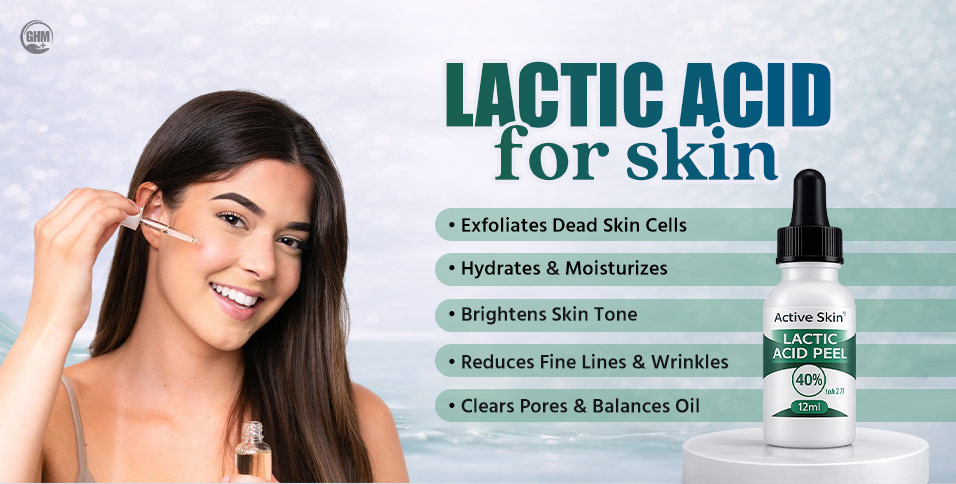
Smooth, glowing skin often feels like a moving target—especially when dullness, uneven tone, or breakouts keep coming back. If you’re looking for an ingredient that delivers visible results without being too harsh, lactic acid is worth your attention. Lactic acid for skin has quickly become one of the most talked-about ingredients in modern skincare—and for good reason.
Known for being a gentle yet effective exfoliant, lactic acid belongs to the alpha hydroxy acid (AHA) family and is widely used to improve skin texture, boost hydration, and enhance overall radiance—something many exfoliants fail to do. Whether you’re dealing with dryness, acne, or pigmentation, this multitasking ingredient can fit easily into your routine when used correctly.
In this guide, you’ll discover how using lactic acid for skin works, its key benefits, how to use it safely, and whether it’s the right choice for your specific skin concerns.
What Is Lactic Acid?
Lactic acid belongs to a group of organic compounds known as Alpha Hydroxy Acids (AHAs). While manufacturers historically derived it from fermented dairy, most modern skincare brands use vegan, plant-based sources like cornstarch or beet sugar.
But what does lactic acid do for skin exactly? It acts as a chemical exfoliant, breaking down the “glue” that holds dead skin cells together. Because lactic acid has a larger molecular structure than glycolic acid, it penetrates the skin more slowly. Consequently, this makes it the perfect skincare acid for beginners or those with reactive skin types.
How Does Lactic Acid For Skin Work?
When you apply lactic acid to your skin, it initiates a process called cell turnover. This mechanism sheds the dull, pigmented top layer of the epidermis, revealing fresh cells underneath.
Beyond surface exfoliation, lactic acid is a unique AHA because it also functions as a humectant. It actively improves the skin’s Natural Moisturizing Factor (NMF), ensuring your face stays plump and hydrated while you exfoliate.
Top 5 Lactic Acid Skin Benefits
Using lactic acid in skin care provides a multi-tasking approach to dermatology. Research indicates that 12% lactic acid concentrations significantly improve skin firmness and thickness.
1. Exfoliates Dead Skin Cells
The primary role of lactic acid for skin is resurfacing. It dissolves debris and dead cells that contribute to a rough texture. Regular use of lactic acid results in a smoother, more refined skin surface that reflects light better.
2. Hydrates and Moisturizes
Unlike many acids in skincare that can dry out the face, lactic acid helps the skin retain water. It strengthens the moisture barrier, making it an excellent choice for individuals with chronically dry patches.
3. Brightens Skin Tone
One of the benefits of lactic acid is inhibiting melanin production. If you are dealing with sun spots or post-acne marks, lactic acid helps fade hyperpigmentation and creates a more even, radiant skin tone over time.
4. Reduces Fine Lines and Wrinkles
Lactic acid helps soften the appearance of superficial lines by stimulating collagen synthesis. Studies show that consistent application of lactic acid serums can lead to visible reductions in wrinkle depth.
5. Clears Pores & Balances Oil
Using lactic acid for oily skin types is a very effective option. It keeps pores clear of blockages without triggering the excess oil production, often caused by harsh alcohol-based toners.
Lactic Acid vs. Other Acids
Choosing the right acid depends on your specific skin concerns.
While many people gravitate toward the strongest option, lactic acid for skin often provides the best balance of efficacy and comfort.
Refer to the table below to see how lactic acid for skin compares to its peers.
| Feature | Lactic Acid | Glycolic Acid | Salicylic Acid (BHA) |
| Molecule Size | Large (Gentle) | Small (Intense) | Medium |
| Solubility | Water-soluble | Water-soluble | Oil-soluble |
| Best For | Dry/Sensitive skin | Aging/Sun damage | Oily/Acne-prone skin |
| Key Benefit | Hydration | Deep Resurfacing | Pore Cleansing |
- Lactic Acid vs. Glycolic Acid
Glycolic acid features the smallest molecular size among all Alpha Hydroxy Acids. This allows it to penetrate the skin very deeply and quickly. However, this deep penetration often causes significant stinging or redness. In contrast, lactic acid for skin has a larger molecule. It works more slowly on the surface, which drastically reduces the risk of irritation while providing superior hydration.
- Lactic Acid vs. Salicylic Acid
The main difference here lies in solubility. Salicylic acid is oil-soluble, meaning it dives deep into the pores to dissolve sebum and treat active acne. Conversely, lactic acid for skin is water-soluble. It focuses on the skin’s surface to improve texture, fade dark spots, and pull moisture into the cells. If you have dry skin with occasional bumps, lactic acid is your best bet. If you deal with deep-seated blackheads, you might prefer salicylic acid.
Regardless of which acid you choose, always prioritize the health of your skin barrier.
How To Apply Lactic Acid on Skin
To maximize lactic acid skin benefits without causing damage, follow this step-by-step protocol.
- Perform a Patch Test: Apply a small amount to your inner forearm and wait 24 hours to check for adverse reactions.
- Cleanse Thoroughly: Start with a clean, dry face to ensure even absorption.
- Apply the Product: If using a serum, apply 2-3 drops. For small skincare products like travel-sized toners, use a cotton pad.
- Follow with Moisturizer: Seal in the hydration with a nourishing cream.
- Sun Protection Is Mandatory: AHAs increase sun sensitivity. Always apply SPF 30 or higher the next morning.
Pro Tip: Start by using the product twice a week. Gradually increase frequency as your skin builds tolerance.
Side Effects of Lactic Acid on Skin
Even though it is gentle, applying lactic acid on skin can cause side effects if misused. Statistics suggest that roughly 10% of users experience mild initial tingling.
- Redness and Itching: This usually subsides within minutes.
- Peeling: Mild flaking is common as dead skin sheds.
- Sun Sensitivity: This is the most significant risk. Failure to use sunscreen can lead to solar damage.
- Severe Irritation: If you experience burning, swelling, or hives, wash the product off immediately and consult a doctor.
Who Should Avoid Using Lactic Acid?
Avoid using lactic acid for skin if you have active eczema, rosacea, or severely broken skin. Furthermore, do not mix lactic acid products with strong retinoids or Vitamin C in the same application window, as this may compromise your skin barrier.
Types of Lactic Acid Products
You can find lactic acid in skin care across various formulations to suit your comfort level.
- Cleansers & Washes: These provide a mild, wash-off treatment. They are perfect for beginners because the short contact time minimizes the risk of irritation.
- Toners & Serums: These leave-on formulas offer a more concentrated dose. They stay on the skin to target deep texture issues and hyperpigmentation effectively.
- Creams & Lotions: Manufacturers often blend lactic acid into moisturizers. This helps treat dry, flaky patches on both the face and body.
- At-Home vs. Professional Peels: Use beginner-friendly skincare products for gentle maintenance at home. Conversely, seek professional peels for high-strength resurfacing under medical supervision.
Final Note
Lactic acid for skin is a powerhouse ingredient that bridges the gap between exfoliation and hydration. It brightens the complexion, fades dark spots, and smooths fine lines while remaining accessible for sensitive skin types. By following a slow introduction and prioritizing sun protection, you can achieve professional results safely.
While topical treatments help, don’t forget that only external care does not help; the food you consume also plays a vital role in your overall glow.
The future of skincare lies in balanced formulas that nourish while they treat. We recommend exploring lactic acid as your primary exfoliant to maintain long-term skin health. As a beginner in skin care or as a person looking for a new skin treatment, using lactic acid for skin can be effective.
Did you find this guide helpful? Share this article with a friend who wants to upgrade their skincare routine!
Sanskruti Jadhav
Frequently Asked Questions
- Can I use lactic acid every day?
You should not start with daily use. Most dermatologists recommend a limit of 3 to 4 times per week once your skin is acclimated to avoid over-exfoliation.
- Can I use lactic acid and Vitamin C together?
It is best to use them at different times. Use Vitamin C in the morning for antioxidant protection and lactic acid in the evening for resurfacing.
- Is lactic acid safe during pregnancy?
Generally, yes. Lactic acid is considered one of the safer AHAs during pregnancy, but you should always verify with your obstetrician before starting new “actives.”
- How long does it take to see the results of lactic acid on skin?
You may notice smoother skin after one use. However, significant changes in hyperpigmentation and fine lines typically require 4 to 6 weeks of consistent application.