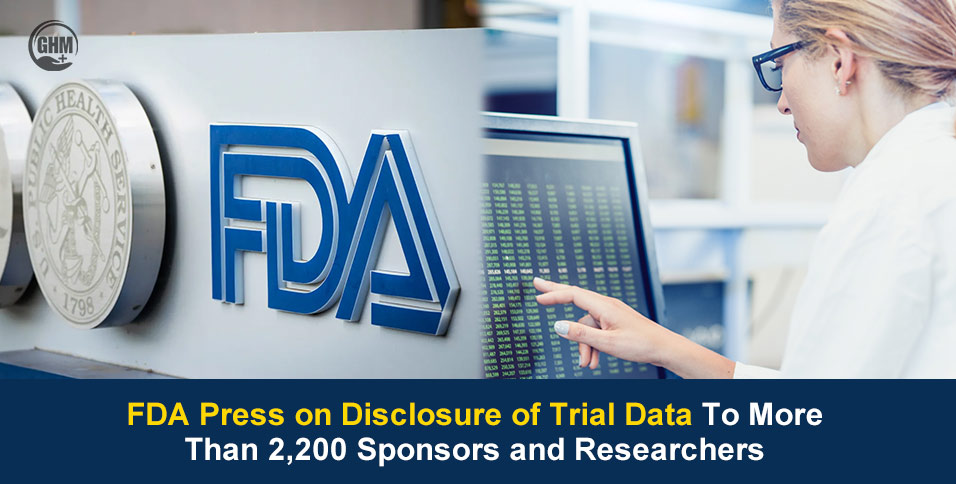
The U.S. Food and Drug Administration (FDA) recently contacted over 2,200 sponsors and researchers, urging them to submit required study data. The FDA’s press on disclosure of trial data aims to close critical gaps in medical evidence and improve patient safety.
According to the agency, nearly 30% of eligible studies have not reported their trial results. This highlights a serious concern about unpublished clinical trial results and the need for stronger transparency in clinical trials.
Why Did FDA Press on Disclosure of Trial Data?
FDA’s push for disclosure of trial data is based on an internal review showing that approximately 29.6% of trials likely required to report results had not done so.
This lack of reporting:
- Obscures the true success rate of treatments
- Overrepresents positive outcomes
- Creates misleading perceptions of safety and effectiveness
FDA Commissioner Dr. Marty Makary stated that companies have an ethical responsibility to share all findings, regardless of financial or reputational impact.
When trial results are missing:
- Doctors may not have complete data to prescribe treatments
- Researchers may unknowingly repeat failed studies
- Patients may face risks due to incomplete safety information
The FDA emphasized that all results—positive or negative—must be shared. Missing data creates what experts call publication bias, where only successful outcomes are visible, distorting the real effectiveness of treatments.
Is the Reminder For The Clinical Trial Report Important?
The reminder to submit a clinical trial report is clearly defined under the FDA Amendments Act 2007, which governs medical research reporting laws in the U.S.
Key requirements include:
- Reporting results on ClinicalTrials.gov within 1 year of completion
- Applicable to interventional studies involving FDA-regulated products
- Excludes early-stage trials like Phase 1 or device feasibility studies
Despite these rules, many pharmaceutical sponsors and researchers fail to comply, leading to gaps in drug development data.
FDA Noncompliance Notices and Enforcement Actions
The FDA Press on disclosure of trial data also highlights potential consequences for failing to meet reporting obligations.
Possible FDA enforcement actions include:
- Pre-Notices of Noncompliance
- Formal Notices of Noncompliance
- Financial penalties of up to $10,000 per violation
Historically, FDA enforcement has been limited. However, this latest move suggests the agency may take a stricter approach going forward.
How Did Researchers React to the FDA’s Action
The Food and Drug Administration sent messages on March 30, 2026, to more than 2,200 entities responsible for over 3,000 trials.
This outreach focuses on:
- Encouraging voluntary compliance
- Identifying missing or incomplete submissions
- Prompting completion of quality checks by regulators
This step signals a shift toward stronger enforcement while still allowing drug development researchers to correct issues before penalties are applied.
As the FDA press on disclosure of trial data, it has significant implications for pharmaceutical companies’ trial data and the broader research ecosystem.
Greater transparency can:
- Improve trust in medical research
- Help regulators assess drug safety more accurately
- Enable better healthcare decisions
It also aligns with ongoing policy efforts to strengthen oversight, such as the recent drug approval policy pushing toward drug manufacturing and research regulations.
Conclusion
This FDA press on disclosure of trial data marks an important step toward improving clinical trial transparency and enforcing medical research reporting laws.
While the current focus is on voluntary compliance, the agency has made it clear that stricter FDA noncompliance notices and penalties could follow if gaps persist, ensuring full transparency in research.