The modern skincare landscape is rapidly evolving, with a growing emphasis on high-performance ingredients that combat the stressors of daily life. Furtehrmore, our skin faces a constant barrage of environmental aggressors; specifically, urban pollution causes various skin concerns.
While body hygiene and protective serums are essential, they often aren’t enough to maintain a clear glow. This is where a chemical exfoliant becomes a vital bridge between your lifestyle and your skin’s health. By efficiently dissolving the barrier of dead cells, these exfoliating acids allow your skin to breathe and regenerate.
If you want to transform a tired, dull skin into one that radiates health, understanding how to integrate a chemical exfoliant into your skincare routine is the ultimate game-changer.
The guide below will explain how chemical exfoliants work, their types, and key benefits. It will also teach you how you can use the skinacare acids more effectively than harsh scrubs to unveil your most radiant complexion.
What Is A Chemical Exfoliant?
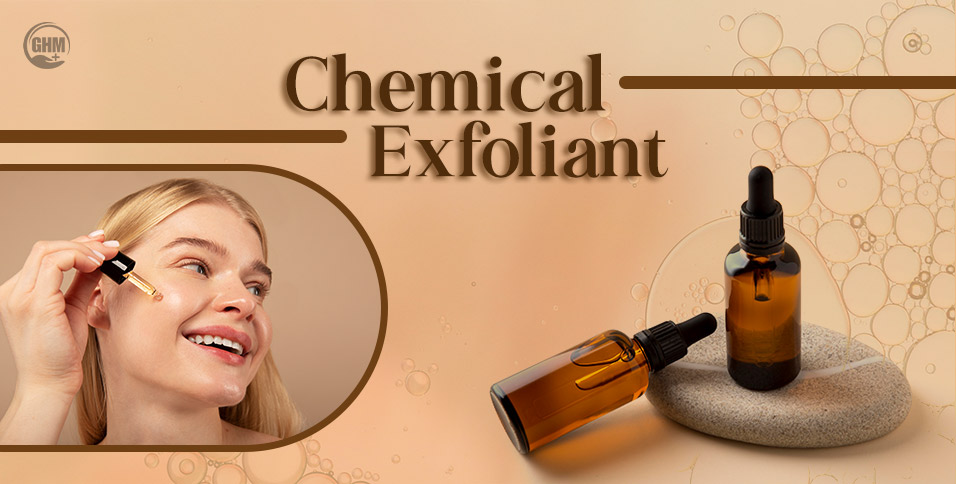
A chemical exfoliant is a skincare product featuring skin-friendly acids that dissolve the “glue” holding dead skin cells together. Unlike physical scrubs that use friction, these acids promote a natural shedding process called cell turnover. Most formulas come as leave-on liquids or specialized peels.
Common examples of chemical exfoliants include Alpha Hydroxy Acids (AHAs) and Beta Hydroxy Acids (BHAs), which target different skin concerns.
Chemical Exfoliation For Skin Health
Natural skin cell turnover slows down as we age or face environmental damage from pollution and the sun. Consequently, dead cells accumulate, leading to enlarged pores, rough texture, and visible wrinkles. Research suggests that approximately 30% of adults experience some form of skin dullness due to poor exfoliation habits. A chemical exfoliant helps regulate this turnover rate, ensuring healthier-looking and smoother-feeling skin.
Key Benefits of Using Chemical Exfoliant
Integrating your skincare routine with acids offers a multitude of clinical benefits.
- Minimizes Wrinkles: It softens the appearance of fine lines and stimulates collagen.
- Clarifies Tone: The exfoliation process helps fade hyperpigmentation and sun damage.
- Unclogs Pores: Exfoliating acids dive deep to remove debris, reducing acne and blackheads.
- Boosts Hydration: Certain acids, like lactic acid, actually help the skin retain moisture.
- Enhances Absorption: Removing the dead layer allows serums and moisturizers to penetrate better.
The 3 Types of Chemical Exfoliants
There are three chemical exfoliant types made up of different acids, which are used for different skin concerns.
1. Alpha Hydroxy Acids (AHAs)
AHAs are water-soluble acids typically derived from sugary fruits or milk. They work on the skin’s surface to treat dry, sun-damaged, or aging skin.
- Glycolic Acid: Known for deep penetration and treating pimples before they form.
- Lactic Acid: A gentler option that hydrates while it exfoliates.
2. Beta Hydroxy Acids (BHAs)
BHAs are oil-soluble, meaning they can cut through sebum to reach deep inside the pores. These are ideal for oily or acne-prone skin types.
- Salicylic Acid: The most common BHA, famous for fighting bacteria and inflammation.
3. Polyhydroxy Acids (PHAs)
PHAs are a newer class of hydroxy acids with larger molecular structures. Because they do not penetrate as deeply, they cause significantly less irritation. They are the best chemical exfoliant choice for those who suffer from skin inflammation or who have extremely sensitive skin.
Chemical vs. Physical Exfoliation: What’s Better?
Dermatologists generally prefer a chemical exfoliant over physical scrubs. Physical exfoliants use abrasive particles like nutshells or beads that can cause micro-tears and inflammation. In contrast, chemical options are non-abrasive and work more efficiently on a deeper level without disturbing the surface. While a dermatologist might occasionally suggest a very soft brush, acids remain the gold standard for most routines.
Choosing the Right Chemical Exfoliant For Your Skin Type
Your skin type is a very important part of successful skincare. Exfoliating according to skin type is the most effective way to see results without irritating your skin.
1. Oily/Acne-Prone Skin: BHA (Salicylic Acid)
If you struggle with excess sebum, blackheads, or frequent breakouts, a Beta Hydroxy Acid (BHA) like Salicylic Acid is your best option. Unlike other acids, BHAs are oil-soluble, which unclog pores and control oil.
2. Dry Skin: AHA (Lactic Acid)
For those dealing with flaky patches or a “tight” feeling, an Alpha Hydroxy Acid (AHA) like Lactic Acid is ideal. AHAs are water-soluble and work primarily on the surface to whisk away dead cells.
3. Mature Skin: AHA (Glycolic Acid)
If your primary goals are reducing the appearance of fine lines or smoothing out significant texture, Glycolic Acid is the gold standard. As the AHA with the smallest molecular size, this chemical exfoliant penetrates more deeply and quickly than others.
4. Sensitive Skin: PHA or 1% BHA
Individuals with rosacea or easily irritated skin should look for Polyhydroxy Acids (PHAs), such as Gluconolactone. These molecules are much larger than AHAs or BHAs, so they remain on the very surface of the skin. This ensures a much slower, gentler exfoliation process that provides the benefits of a chemical exfoliant without the stinging or redness often associated with stronger acids.
How To Exfoliate Skin Safely
Follow these professional steps to ensure safety with skincare acids:
- Cleanse First: Apply the chemical exfoliant to clean, dry skin.
- Apply Gently: Use small, circular motions and avoid the eyelids and lower lash line.
- Patch Test: Always test a new product on your forearm before applying it to your face.
- Moisturize: Follow up immediately with a hydrating cream to prevent dryness.
- Sun Protection: Acids increase sun sensitivity, making daily SPF a non-negotiable step.
Risks of Applying A Chemical Exfoliant On Skin
Overusing an exfoliant with chemicals can lead to chemical burns, increased pigmentation, or acne breakouts. Avoid combining strong acids like AHAs with retinoids or benzoyl peroxide unless specifically advised by a doctor, as this can severely weaken the skin barrier. If you have a darker skin tone, be cautious with aggressive treatments, as they may cause dark spots or uneven tone.
If you have temperamental and sensitive skin, you can still enjoy the benefits of chemical exfoliation. Opt for a low 1% concentration of BHA, as it has inherent skin-calming properties. Alternatively, use PHAs, which provide mild exfoliation with added hydration.
Always avoid harsh mechanical tools and consult with a professional if you experience persistent stinging.
How Often Should You Use a Chemical Exfoliant?
How often you use chemical exfoliation depends entirely on your skin’s tolerance. Beginners should start by applying a chemical exfoliant just 1–2 times per week. If your skin responds well, you can gradually increase to once daily. However, if you notice redness or irritation, you must decrease frequency immediately to avoid damaging your skin barrier.
End Note
A chemical exfoliant is an essential tool for anyone seeking healthier, more vibrant skin. By choosing the right acid, whether it’s AHA, BHA, or PHA, you can effectively target everything from acne to signs of aging.
Remember to start slowly, prioritize sun protection, and listen to your skin’s needs. The future of skincare is personalized, and mastering acids is the first step toward a lifetime of glowing health.
Found this guide helpful? Share it with your friends and help them unlock their best skin yet!
Frequently Asked Questions
- Can I use a chemical exfoliant if I use retinol?
Use with caution. Both are powerful actives. It is often best to use retinol and exfoliant on alternate nights to prevent over-exfoliation and irritation.
- Do I need to wash off a chemical exfoliant?
Most liquid exfoliants are leave-on products. However, high-strength chemical “peels” usually require rinsing after a few minutes. Always check your product’s specific instructions.
- Is “purging” normal after starting a chemical exfoliant?
Yes, BHAs can occasionally cause a temporary increase in breakouts as they clear out existing clogs, but this should resolve as your skin clears.