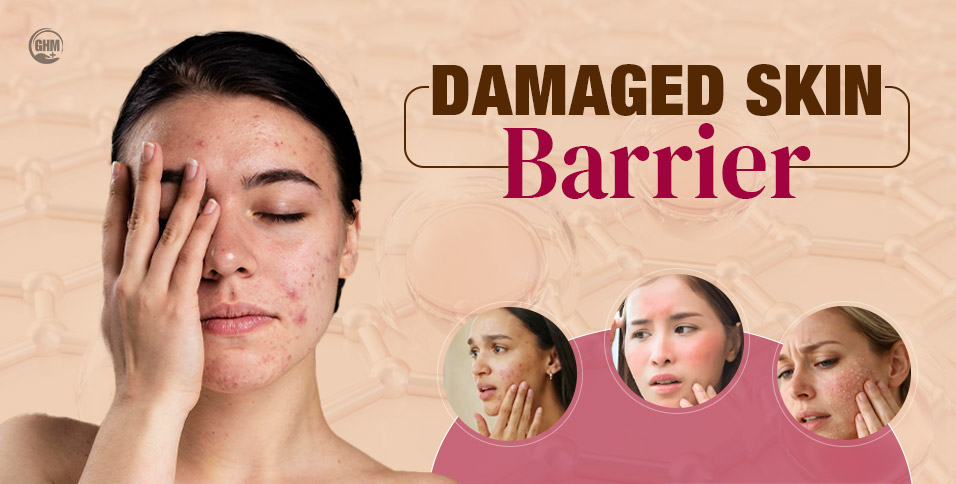
Your moisturiser no longer seems to work. Your skin stings after applying products that it tolerated just fine a few months ago. You’ve tried product after product — yet the redness, dryness, and sensitivity keep coming back.
If this is your story, you may be dealing with a damaged skin barrier — and you are far from alone. More than a third of the global population suffers from some form of skin condition, many of which are directly linked to a compromised barrier.
The good news? Skin barrier damage is usually reversible. You can achieve your healthy skin again with a dedicated routine and precautions.
In this guide, you will learn exactly what your skin barrier is, the warning signs of a broken skin barrier, the everyday habits that can cause it, and a clear, step-by-step routine to help you restore your skin.
What Is the Skin Barrier?
Your skin barrier is the outermost layer of your skin, also called the stratum corneum. Think of the skin as a microscopic brick wall. The skin cells (corneocytes) act as the bricks, while natural fats called ceramides, cholesterol, and fatty acids serve as the mortar filling the gaps between them.
This skin structure has two core jobs: it locks moisture inside your skin and blocks harmful things like bacteria, pollutants, allergens, and irritants from getting in.
When it is working well, your skin stays hydrated, calm, and resilient. When it breaks down, everything goes wrong, leading to a damaged skin barrier.
Signs of Damaged Skin Barrier You Should Not Ignore
A damaged skin barrier does not always look dramatic. Sometimes it starts quietly — a little extra dryness here, a mild sting there.
Here are the most common symptoms of skin damage:
- Dryness that does not improve even after applying moisturiser
- Tight, uncomfortable feeling after cleansing
- Redness or blotchy irritation on the face or body
- Burning or stinging when applying serums, toners, or creams
- Flaky or rough patches that keep returning
- Increased sensitivity to products you previously tolerated well
- Unexpected acne flare-ups or breakouts
- Persistent itching or a feeling that the skin is irritated without an obvious cause
- Dull, tired-looking skin that lacks its usual glow
If you are experiencing several of these symptoms at the same time, the root cause is likely a broken skin barrier rather than a single product reaction. Simplifying your routine is the first step.
Everyday Habits That Can Break Your Skin Barrier
A compromised skin barrier rarely happens overnight. Most of the time, it is the result of repeated, well-intentioned habits that quietly do more harm than good.
The global skin barrier product market is projected to reach USD 1.95 billion by 2033, a sign of just how widespread the problem has become.
Here are common causes of skin barrier damage:
- Over-exfoliation: Using chemical exfoliants such as glycolic acid or lactic acid too frequently disrupts the skin’s protective layer.
- Harsh cleansers and soaps: Products with strong detergents strip away the natural lipids that hold your skin barrier together.
- Overwashing your face: Cleansing more than twice daily removes essential oils faster than skin can replace them.
- Hot showers: High water temperatures dissolve the lipid layer on the skin’s surface.
- Layering too many active ingredients: Combining skincare acids, retinoids, and benzoyl peroxide simultaneously is a common recipe for skin barrier damage.
- Skipping sunscreen: UV radiation degrades the structural proteins in your skin barrier over time.
- Environmental stressors: Cold weather, low humidity, and pollution all accelerate transepidermal water loss (TEWL) — the process by which moisture escapes through the skin.
- Chronic stress: Elevated cortisol levels have been shown to impair skin barrier function and trigger inflammatory skin conditions.
- Underlying skin conditions: Eczema, rosacea, and psoriasis are directly linked to structural defects in the stratum corneum.
How to Repair A Damaged Skin Barrier: A Step-by-Step Recovery Routine
Repairing your skin barrier does not require expensive products or complicated protocols. It requires consistency and simplicity.
Here are the steps to skin barrier repair:
Step 1: Strip Back Your Routine
When your skin barrier is compromised, less is genuinely more. The first clinical step is to reduce the number of products on your skin. Every additional product can be a potential source of irritation.
Use only three essential things: a mild, pH-balanced cleanser (pH 4.5–5.5, matching the skin’s natural acidity), a fragrance-free moisturiser, and broad-spectrum SPF 30+ sunscreen. Nothing else until the barrier begins to recover. Give your skin the breathing room it needs to begin healing.
Step 2: Temporarily Pause Strong Active Ingredients
Temporarily stop all products that exert a pharmacological effect on the skin. This includes retinoids, alpha-hydroxy acids (AHAs such as glycolic and lactic acid), beta-hydroxy acids (BHAs), benzoyl peroxide, and products containing synthetic fragrance.
These ingredients, while beneficial for healthy skin, act as additional stressors on a broken skin barrier. A minimum break of two to four weeks is recommended for mild-to-moderate damage.
Step 3: Choose the Right Skin Barrier Repair Ingredients
Look for skincare products that actively support barrier repair. The most evidence-backed options are:
- Ceramides: Topical ceramides directly replenish the depleted lipid layer, containing lipid molecules, and reduce transepidermal water loss (TEWL).
- Hyaluronic acid: Draws moisture into the skin and plumps the barrier from within.
- Glycerin: A powerful humectant that pulls water from the air into your skin, improving skin flexibility.
- Niacinamide: Reduces inflammation, regulates sebum production, and boosts ceramide synthesis.
- Squalane: A lightweight oil that mimics the skin’s natural sebum and seals skin moisture in. It softens the skin surface without occluding pores and supports lipid replenishment.
- Petrolatum: Creates a protective occlusive layer that dramatically reduces water loss overnight on severely dry or cracked skin.
Step 4: Use Lukewarm Water for Cleansing
Hot water dissolves your skin’s natural lipid layer with every wash. Switching to lukewarm or cool water for face washing is a small change with a significant impact on the recovery of the damaged skin barrier. Also, limiting shower duration to under 10 minutes to reduce lipid depletion.
Step 5: Apply Moisturiser on Damp Skin
Right after washing, while your skin is still slightly damp, apply your moisturiser. This technique traps water in the skin before it evaporates, maximising hydration and accelerating barrier repair.
Step 6: Wear Sunscreen Every Single Day
UV damage is one of the most significant and underestimated contributors to a weak skin barrier. Daily SPF 30+ broad-spectrum sunscreen is non-negotiable during the barrier repair phase, regardless of weather or season.
How Long Does Skin Barrier Repair Take?
Recovery time depends on the severity of the damage:
- Mild irritation: A few days to 2 weeks of a simplified routine is usually enough
- Moderate damage: Expect 2 to 6 weeks of consistent, gentle care
- Chronic barrier dysfunction: Conditions like eczema or rosacea may require longer management, ideally with a dermatologist’s advice.
The key variable is not product price; it is consistency. A basic three-step routine followed every day will outperform an expensive 10-step routine used sporadically.
When Should You See a Dermatologist?
While most cases of skin barrier damage respond well to at-home care, certain signs should prompt a professional visit. Seek dermatological advice if you experience:
- Persistent burning or stinging that does not ease after 2 weeks of simplified care
- A spreading rash or signs of infection — pus, crusting, or warm, swollen skin
- Severe redness or cracked, bleeding skin
- Worsening acne that does not respond to gentle management
- Suspected eczema or rosacea flare-ups
A dermatologist can identify whether an underlying skin condition is driving the damage and recommend prescription-strength barrier repair treatments when needed.
How to Keep Your Skin Barrier Strong Long-Term
Once your skin barrier has recovered, protecting it is simpler than repairing it. Build these habits into your routine:
- Introduce new skincare products one at a time — wait at least two weeks before adding another.
- Resist trend-chasing: the latest viral skincare product may not be right for your skin type
- Limit exfoliation to 1–2 times per week at most (or less if your skin is sensitive)
- Moisturise every morning and evening, even when skin feels fine
- Apply sunscreen daily — UV damage accumulates silently over the years
- Drink enough water and prioritise sleep — both directly influence your skin’s ability to repair itself
- Always patch-test a new product on a small area before applying it to your face
Final Takeaway
A damaged skin barrier is one of the most common and most overlooked reasons for persistent skin problems. The irony is that the very products and routines people use to fix their skin often make things worse.
The path to recovery is simple: strip back, support, and stay consistent. Gentle cleansing, moisturising, and daily sunscreen will do more for a compromised skin barrier than a cabinet full of actives ever could.
As much as external care matters, what you consume also plays an important role. Your diet also contributes to barrier repair. Certain foods support skin health by supplying omega-3 fatty acids, zinc, and vitamins— all of which are required for healthy lipid synthesis and collagen production in the skin. So, make sure to balance external and internal sources for your healthy skin.
A healthy barrier means calmer, stronger, more comfortable skin — and that is worth far more than any trending ingredient.
Frequently Asked Questions
- Can a damaged skin barrier heal on its own without products?
Mildly compromised skin can sometimes recover on its own if you stop exposing it to the irritants causing the damage, but it is a slow process. Using gentle, barrier-supporting products like ceramide moisturisers speeds recovery significantly.
- Is oily skin immune to skin barrier damage?
No. Oily skin can absolutely develop a damaged barrier. Over-exfoliation, harsh cleansers, and excess use of mattifying or drying products are common causes of barrier damage in oily skin types. The excess oil you see does not necessarily indicate a healthy or intact barrier.
- Can drinking more water repair my damaged skin barrier?
Hydration plays a supporting role, but drinking water alone is not enough to repair a structurally damaged skin barrier. The stratum corneum is a lipid-based structure — it needs topical ceramides, fatty acids, and humectants applied to the skin, not just internal hydration. That said, chronic dehydration does worsen skin dryness and overall barrier resilience.
- Are natural or DIY skincare ingredients safe for a damaged barrier?
Not always. Many popular natural remedies, including lemon juice, apple cider vinegar, and essential oils, are highly acidic, volatile, or sensitising, and can make a broken skin barrier significantly worse. Stick to clinically studied ingredients like ceramides, glycerin, and niacinamide during recovery. If you want to use natural products, look for formulated versions that have been dermatologically tested.