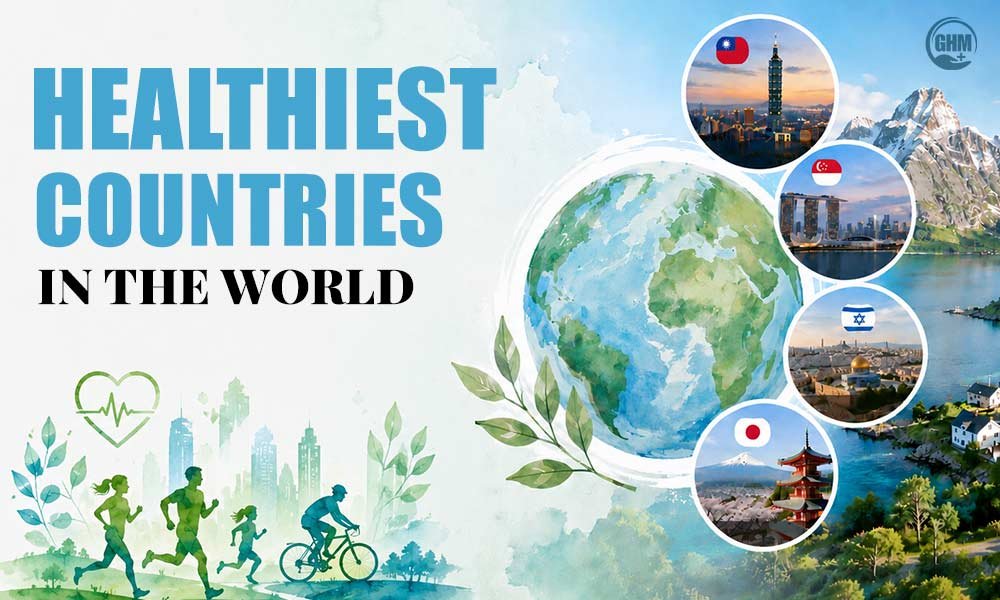
The concept of the healthiest countries in the world goes far beyond hospital quality or healthcare spending. In 2026, the world’s healthiest nations are being recognized for their ability to combine advanced healthcare systems, strong environmental policies, healthy lifestyles, and innovative technologies that support long-term well-being. From clean air and safe drinking water to digital healthcare infrastructure and preventive medicine, these countries have created ecosystems that help people live longer, healthier lives.
According to the latest global health rankings, countries such as Taiwan, Singapore, Japan, and Switzerland continue to lead through a balanced approach to public health, sustainability, and medical innovation. While technological development has transformed healthcare delivery through AI-driven diagnostics, smart hospitals, and telemedicine, environmental standards remain equally important. Nations with lower pollution levels, greener urban planning, sustainable food systems, and strong climate policies consistently report better health outcomes and higher life expectancy.
This comprehensive guide reveals the healthiest countries in the world in 2026. We will evaluate how these global wellness leaders combine exceptional universal healthcare systems with pro-health lifestyle habits.
What Makes A Country One of the Healthiest in the World?
Measuring the healthiest populations in the world requires looking far beyond basic hospital availability. For example, analysts use complex frameworks to assess the overall vitality of a population.
Key health evaluation metrics include:
- Healthy Life Expectancy (HALE): The actual number of years a person lives in full health without debilitating disease.
- Healthcare Accessibility: Total population coverage for essential medical services with low out-of-pocket burdens.
- Preventive Healthcare Systems: Robust early screening programs, high childhood vaccination rates, and effective public wellness education.
- Risk Factors: National averages for adult obesity rates, smoking prevalence, and daily physical inactivity.
- Environmental Quality: Exposure to air pollution, specific PM2.5 levels, and access to clean drinking water.
Ultimately, the healthiest nations globally seamlessly connect a high quality of life with strong, well-funded public health institutions.
List of Top 10 Healthiest Countries in the World in 2026
To create a balanced picture, various renowned international ranking systems are taken into consideration. According to the World Population Review Global Health Index, developed nations regularly outperform others due to strong socio-economic structures.
The highest-performing countries dominate international tables because they successfully merge institutional healthcare quality with wellness-focused lifestyles. Interestingly, these elite health rankings also attract significant attention from international medical tourists and global healthcare policy researchers.
Top 10 Healthiest Countries in the World At A Glance
The following table highlights the top 10 healthy nations in the world based on their official Global Health Index scores:
| Rank | Country | Global Health Index Score |
| 1 | Taiwan | 97.59 |
| 2 | Singapore | 97.43 |
| 3 | Israel | 97.10 |
| 4 | Japan | 97.07 |
| 5 | Switzerland | 97.06 |
| 6 | Norway | 95.88 |
| 7 | Sweden | 95.41 |
| 8 | South Korea | 95.34 |
| 9 | Andorra | 95.21 |
| 10 | Iceland | 95.08 |
Here’s an in-depth view of the Top 10 Healthiest Countries in the World in 2026:
1. Taiwan (Global Health Index Leader)
Taiwan holds the number one spot as the world’s healthiest country due to its legendary universal healthcare system, which offers affordable access to every citizen. Furthermore, Taiwan utilizes an advanced digital healthcare ecosystem that streamlines electronic medical records and shortens patient wait times. Because the government heavily funds preventive care, patient satisfaction remains remarkably high across the territory.
2. Singapore (Healthcare Efficiency Benchmark)
Singapore secures second place as the healthiest country in the world, demonstrating unparalleled efficiency in national health spending. Despite spending just 5.57% of its GDP on medical services, Singapore, the city-state, achieves world-class clinical outcomes. Additionally, Singapore hosts world-class hospitals that drive global medical innovation and healthcare tourism to the country. Strong public health policies and a low national disease burden make it a premier destination for complex treatments.
3. Israel (Innovation-Driven Healthcare)
Israel ranks third globally in top healthcare countries, as the nation relies on high-quality universal healthcare alongside a highly advanced biotechnology research sector. For instance, Israeli medical centers utilize cutting-edge emergency medical systems and digital triage tools. Because of this preventive medicine focus, the population maintains excellent healthy life expectancy rates.
4. Japan (Longest Life Expectancy Advantage)
Japan scores 97.07 and stands as the ultimate global model for healthy aging. Japan holds a stunning average life expectancy of 84.1 years. This longevity advantage persists because of a deeply ingrained healthy aging culture, low obesity rates, and active daily lifestyles. Moreover, a balanced, traditional diet combined with an efficient elderly care system keeps the Japanese population thriving.
5. Switzerland (Premium Healthcare Standards)
Switzerland carries a premium medical infrastructure with a pristine natural environment, making it one of the world’s healthiest countries. The Swiss health system features exceptional hospitals and a highly efficient mandatory insurance framework. As a result, public satisfaction with healthcare availability sits at an outstanding 89%. Low pollution levels and high wealth levels further support excellent long-term health outcomes.
6. Norway (Strong Public Healthcare and Wellness)
Norway earns a place in the top healthiest countries due to its high-capacity public healthcare infrastructure. The Norwegian government allocates approximately 9.92% of its GDP to ensure comprehensive medical accessibility for all residents. Beyond medicine, Norwegians embrace an active outdoor lifestyle culture that naturally reduces chronic illness. Low urban pollution levels and robust social welfare programs keep community well-being exceptionally high in Norway.
7. Sweden (Preventive Healthcare Success)
Sweden excels remarkably in healthcare system design and preventive policies. According to recent country reports, Sweden performs better than the OECD average across all major access and quality indicators. Meanwhile, the population maintains sustainable lifestyle habits, very low smoking prevalence, and high physical activity rates, making Sweden a healthy population.
Clean air also plays a role, with PM2.5 exposure levels in Sweden remaining at roughly half the global OECD average.
8. South Korea (Technology and Healthcare Excellence)
South Korea is moving rapidly from an economic developer to a world-class health leader. The nation features advanced medical technology and a highly robust hospital infrastructure.
Consequently, South Korea’s treatable mortality rate of 45 per 100,000 stands as one of the best globally. Due to massive national support for preventive screenings, Korea’s self-reported adult obesity is remarkably low at 5%. South Korea also holds some of the top speciality hospitals in the world, attracting thousands of global patients annually.
9. Andorra (Small Nation, Exceptional Health Outcomes)
Nestled in the mountains, Andorra benefits immensely from a clean environment, and an active, outdoor-focused population secures its top-tier status in the healthy Country ranking. Despite its small geographic footprint, Andorra provides highly sophisticated healthcare accessibility. The combination of mountain living and excellent primary care provides phenomenal longevity outcomes.
10. Iceland (Clean Environment and Healthy Living)
Iceland rounds out the healthiest country ranking in tenth position. It stands out as one of the very few nations meeting strict WHO annual air quality guidelines. This incredibly low pollution backdrop directly protects Iceland’s respiratory health and elevates mental wellness indicators. Combined with an outdoor-focused culture, a diet rich in fresh seafood, and top-tier medical facilities, Icelanders maintain a high quality of life.
Dominance of European and Asian Countries In Global Health Rankings
A clear geographic trend emerges when analyzing the healthiest countries in the world. Specifically, Western European nations and East Asian territories consistently crowd the top spots. This dual dominance happens because both regions prioritize deep public health investment and comprehensive infrastructure.
- European Dominance: European countries integrate the universal healthcare system with the advantage of a clean environment.
- Asian Dominance: The Asian countries hold a special place due to longevity records, strong metabolic health, and rapid technological innovation in the healthcare sector.
Are Top Healthiest Countries Also the Best Places to Live?
The OECD Data proves that public health outcomes share a direct link with overall happiness and economic stability. Nations that safeguard their citizens’ physical well-being naturally foster superior quality of life indicators.
Factors contributing to healthy living countries:
- Work-Life Balance: High-performing countries typically enforce reasonable working hours and generous parental leave.
- Environmental Safety: Clean air, safe drinking water, and abundant green spaces encourage the population to engage in daily physical activity.
- Nutritional Access: Leading nations regulate food quality closely and subsidize healthy, whole foods.
When a society removes the fear of catastrophic medical bankruptcy, citizens experience lower baseline stress. Therefore, the healthiest places to live almost always double as the world’s happiest nations.
Summery
In summary, achieving elite status among the healthiest countries in the world requires a beautiful harmony of robust universal healthcare, clean environmental conditions, and proactive lifestyle choices.
The nations leading the global health ranking of 2026 prove that longevity is manufactured through smart public policies, accessible medical infrastructure, and daily wellness habits. These countries provide valuable lessons on how healthcare advancement and environmental responsibility can work together to build healthier societies for the future. Other nations must study these successful models to improve public health globally.
Did you find this global health breakdown insightful? Share this article on social media to help your friends and family discover the secrets of the world’s healthiest populations!
Frequently Asked Questions
- Why does Japan have such a high healthy life expectancy?
Japan maintains an incredible average life expectancy of 84.1 years due to its healthy aging culture, active daily routines, and highly nutritious traditional diet. Furthermore, less than 40% of Japanese adults are overweight, which dramatically lowers chronic disease risks.
- How does air quality affect global health rankings?
Air quality directly dictates respiratory and cardiovascular health outcomes. A country scores at the top of health charts because its pristine environment consistently meets the strict World Health Organization PM2.5 purity guidelines.
- Which country has the fittest people?
Japan and Singapore consistently rank as the world’s fittest countries. Their populations boast the lowest obesity rates and highest life expectancies globally. In Europe, Finland, Sweden, and Switzerland take the lead due to highly active lifestyles and excellent preventive healthcare systems.