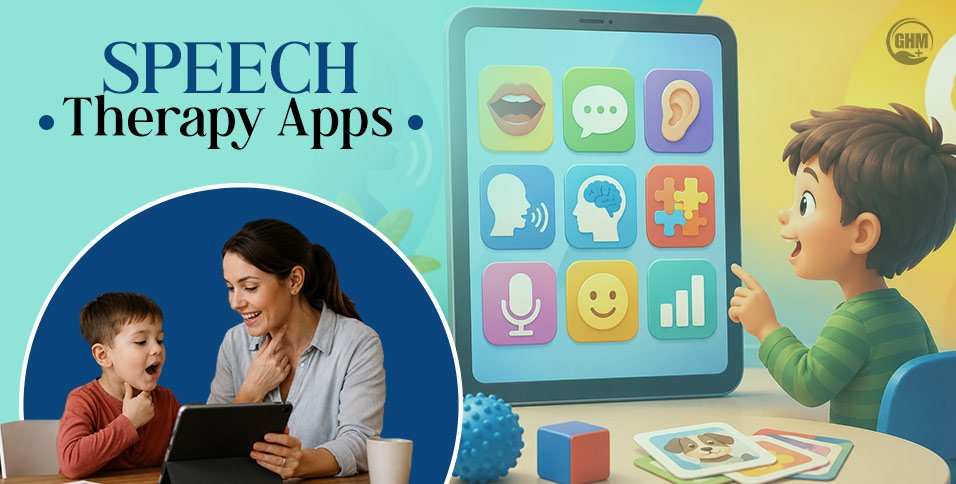
In the digital age, technology transforms how we approach healthcare and language development. Today, speech therapy apps support articulation, language development, augmentative and alternative communication (AAC), fluency, aphasia recovery, and social communication skills. Therefore, digital tools make home practice highly accessible.
In fact, nearly 1 in 12 children aged 3–17 experiences a disorder related to speech, language, voice, or swallowing. Consequently, digital interventions play a vital role in modern treatment plans. Using speech therapy apps increases access to crucial speech practice outside traditional clinic sessions.
Furthermore, these digital tools for speech improvement support consistency and skill carryover in comfortable, everyday environments. Interactive features and gamification keep users motivated, which significantly enhances daily participation.
Let’s explore the top 15 speech therapy apps that can support children and adults on their communication journey.
Top 15 Speech Therapy Apps That Enhance Communication
The best speech therapy apps selected below cover multiple communication needs. Specifically, these speech development platforms address articulation disorders, language delays, autism support, AAC communication, literacy development, stuttering, aphasia, and stroke rehabilitation.
1. Speech Blubs
Speech Blubs is a premier speech learning app, best for early language development. Speech Blubs platform uses smart video modeling and interactive exercises to trigger sound imitation. Thus, it is highly suitable for children with language delays, autism, and Down syndrome.
2. Articulation Station Pro
Articulation Station Pro is a platform that stands out as one of the most popular articulation therapy apps available. It systematically covers speech sounds from isolation up to full conversation. Additionally, the software includes voice recordings and over 1,200 high-quality flashcards to guide daily practice.
3. Otsimo: Speech Therapy SLP
Otsimo uses advanced speech recognition technology and provides immediate vocal feedback. This speech therapy app designs personalized learning plans that adapt to individual progress. Because of this adaptive logic, Otsimo successfully supports articulation, expressive language, and voice development.
4. Stamurai
Stamurai is a premier choice for individuals struggling with stuttering, which is designed for fluency management. Stamurai offers exercises for fluency shaping and stuttering modification. Consequently, teens and adults can comfortably use Stamurai as a speech therapy tool to build conversational confidence at home.
5. Voice Tools
Voice Tools is ideal for voice training and gender-affirming voice therapy, which helps users analyze vocal characteristics. Voice Tools app accurately tracks pitch, volume, and tone during speech. This speech therapy application includes guided exercises and phonetically balanced reading prompts.
6. Predictable
Predictable is a powerful, text-to-speech AAC communication app — a good choice for literate individuals. The individual with ALS, cerebral palsy, stroke, or autism can use the Predictable speech therapy app to express themselves clearly. Predictable’s speech, such as smart word prediction and customizable phrase libraries, maximizes communication speed.
7. Proloquo2Go
As an industry-leading nonverbal communication app, Proloquo2Go provides a voice to non-speaking individuals. It features an extensive library of over 27,000 symbols. Caregivers and SLPs can easily customize the vocabulary layout in the Proloquo2Go application to support functional communication.
8. Conversation Therapy
Conversation Therapy app supports pragmatic language, narrative production, and conversational turn-taking skills. It is an excellent choice for individuals managing autism or higher-level language goals. The system uses thought-provoking discussion prompts and visual supports to spark dialogue.
9. Constant Therapy
Designed specifically for neurorehabilitation, Constant Therapy delivers evidence-based cognitive and language exercises. It is one of the most trusted speech apps for stroke recovery used after a traumatic brain injury. Constant Therapy automatically customizes home tasks based on performance data, providing a personal approach.
10. Language Therapy 4-in-1
Language Therapy 4-in-1 is an advanced language therapy app, best for adults recovering from neurological events. This comprehensive software combines four vital language modules: Comprehension, Naming, Reading, and Writing. It is a top-tier speech therapy app for aphasia. Even clinicians frequently use it to design rigorous home programming.
11. Apraxia Therapy
Apraxia of speech is a speech disorder in which the brain has difficulty planning the precise movements, timing, and sequence of muscles needed to form words. Apraxia Therapy application targets Apraxia of speech acquired by focusing on motor programming. Apraxia Therapy utilizes video modeling, hand-tapping rhythms, and multisensory practice routines. Therefore, it serves as a reliable tool during intensive stroke rehabilitation.
12. ArtikPix
ArtikPix offers engaging articulation practice through interactive matching games and flashcards. ArtikPix speech therapy app supports multi-student progress tracking and profile customization, making it highly popular among busy school-based SLPs and parents alike.
13. Reach Speech
Reach Speech provides a structured speech-sound learning pathway that mirrors natural development. It teaches accurate sound production without reading pressure with the help of phonemic awareness. Reach Speech is an ideal speech therapy app for younger children experiencing developmental delays.
14. Epic!
Epic! application is a literacy-focused digital library that works alongside traditional speech and language therapy for adults and children. Epic! expands vocabulary, improves reading comprehension, and boosts language development through thousands of curated books.
15. My PlayHome
My PlayHome is a video game that encourages expressive vocabulary growth through a highly interactive digital dollhouse. My PlayHome supports social communication, sentence expansion, and preposition practice in pediatric speech and language therapy. Preschoolers benefit greatly from this open-ended, imaginative play style.
Benefits of Speech Therapy Apps
Individuals can use the above mobile apps for speech therapy alongside professional therapy sessions or as structured resources for guided home practice.
- Makes Practice More Accessible: Speech therapy apps allow users to practice communication skills anytime, making therapy support more widely available.
- Encourages Consistent Learning: Regular use of speech therapy apps reinforces techniques learned in therapy and improves long-term skill retention.
- Boosts Engagement and Motivation: Interactive games, videos, and rewards make speech exercises more enjoyable and encourage active participation.
- Supports Personalized Learning: Many digital speech therapy tools offer customized activities, adaptive difficulty levels, and targeted exercises for individual needs.
- Addresses Multiple Communication Goals: Speech therapy apps can improve articulation, language development, fluency, literacy, AAC communication, and social skills.
- Helps Track Progress: Built-in tracking features help users, caregivers, and therapists monitor improvement and adjust learning goals effectively.
Apps for speech disorders make communication practice more accessible, engaging, and consistent. Whether used by children or adults, these digital tools can provide convenient opportunities for daily communication practice and progress.
How to Choose Between All The Best Speech Therapy Apps
Finding the right speech therapy digital tool requires matching the technology to the individual user. Consider these vital factors while making the choice:
| Selection Factor | Practical Steps to Take |
| Communication Goal | Identify if the user requires articulation help, language expansion, or an AAC device. |
| Developmental Level | Match the app interface to the user’s cognitive abilities, reading level, and motor skills. |
| Engagement & Motivation | Choose platforms that use themes, games, or video modeling aligned with the user’s interests. |
| Tracking & Customization | Look for systems that record audio, track data scores, and allow custom image uploads. |
End Note
Speech therapy apps have transformed how individuals access communication support, making it easier to practice speech and language skills beyond the therapy room. Whether you are using speech therapy apps for fluency training platforms, autistic individuals, or an adult with a brain injury, these resources can provide valuable opportunities for consistent learning and skill development.
However, no app can replace the expertise of a certified speech-language pathologist. Professional evaluation, personalized treatment plans, and real-world communication practice remain essential for achieving lasting results. Research suggests that children make 40% greater progress when therapy strategies are reinforced at home with active caregiver involvement, combining technology with guided support.
The most effective approach is to use speech therapy apps as a complement to professional therapy. With the right app and consistent practice, users can strengthen communication skills, build confidence, and support long-term success.
Have you tried any of these speech therapy apps? Share this guide with parents, caregivers, educators, and therapists looking for effective communication tools.
Sanskruti Jadhav
Frequently Asked Questions
- Can an individual use multiple speech therapy apps simultaneously?
Yes. Many families use different speech therapy apps to cover different goals. For example, combining a dedicated articulation therapy app with a separate, play-based language expansion app. However, you should consult your speech-language pathologist to avoid overstimulating the user with too many different digital interfaces.
- Are there speech therapy apps that support bilingual language development?
Yes, several modern communication tools offer robust multilingual settings. For example, platforms like Vooks offer comprehensive Spanish translations, and various AAC apps allow users to switch between different languages instantly to support bilingual households.