When a severe toothache strikes at 2 AM or you crack a molar on a weekend, the American Dental Association’s 2023 data reveals that over 2.1 million emergency department visits each year are dental-related — yet most hospitals can only provide pain management and antibiotics, not definitive treatment. This gap has created a complex landscape where patients often face multiple providers, unclear pricing, and difficult decisions about immediate versus comprehensive care.
The stakes are particularly high because emergency dental situations rarely improve on their own, and delayed treatment typically increases both complexity and cost. For anyone facing their first dental emergency, understanding what happens during that initial visit — from triage through treatment decisions — can mean the difference between managing the situation effectively and finding yourself overwhelmed by both the clinical process and unexpected expenses. The emergency dental experience operates under different protocols than routine care, with pricing structures that reflect urgency, after-hours availability, and the need for immediate intervention.
What Happens During an Emergency Dental Visit
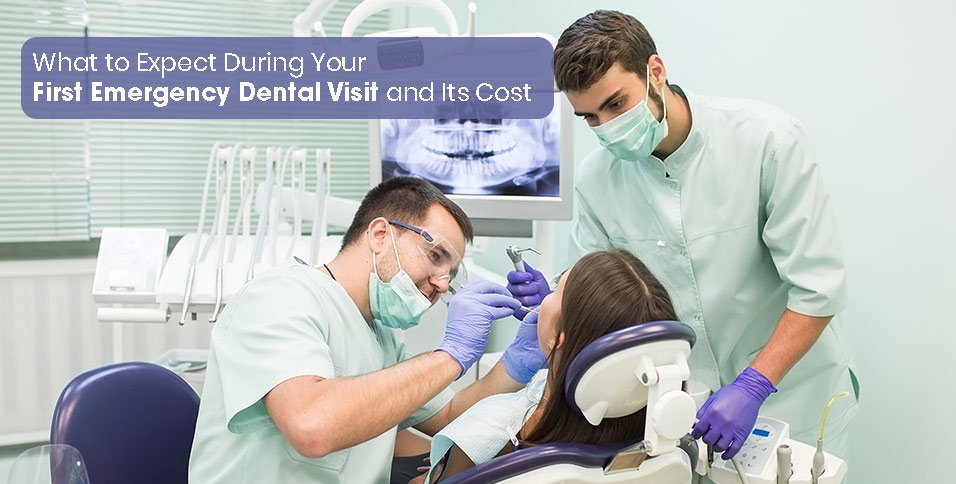
Emergency dental visits follow a structured protocol designed to address pain relief and stabilization first, comprehensive treatment second. Unlike routine appointments that begin with pleasantries and gradual assessment, emergency visits start with triage — the provider immediately evaluates your pain level, determines if you’re facing a life-threatening situation, and establishes treatment priorities.
The initial examination focuses on immediate concerns rather than comprehensive oral health. Your dentist will ask specific questions about when the pain started, what triggers it, and whether you’ve experienced facial swelling or fever — symptoms that could indicate serious infection. This isn’t the time for a full periodontal evaluation or discussion of cosmetic concerns; everything centers on diagnosing and treating the acute problem.
Diagnostic imaging happens quickly in emergency situations. Where routine visits might schedule X-rays for a future appointment, emergency care often requires immediate radiographs to identify fractures, abscesses, or impacted teeth. Digital X-rays have streamlined this process, but the urgency factor means you’ll likely have imaging done within the first fifteen minutes of your visit.
Consider someone who chips a front tooth on Friday evening — they’ll arrive in pain and worried about appearance, but the emergency provider’s priority is determining whether the tooth’s nerve is exposed. The dentist will test the tooth’s vitality using thermal or electric pulp testing, examine the fracture pattern under magnification, and take targeted X-rays to rule out root damage. Only after establishing that the nerve is protected will the conversation shift to temporary versus permanent restoration options.
Pain management becomes the immediate focus once diagnosis is complete. Emergency providers have access to stronger local anesthetics and can prescribe antibiotics when infection is present, but they’re also working within time constraints that influence treatment decisions. This clinical reality shapes both what gets accomplished in that first visit and how the associated costs accumulate.
How Emergency Dental Costs Are Calculated
Emergency dental pricing operates on a fundamentally different model than routine care, reflecting availability premiums and clinical complexity factors that don’t apply to scheduled appointments. The base cost structure includes an emergency examination fee — typically 50-100% higher than routine exams — that covers after-hours availability, immediate diagnostic capabilities, and the clinical expertise needed for rapid assessment.
Time-sensitivity drives pricing in ways that catch many patients off guard. A root canal performed during regular business hours might cost $800-1,200, but the same procedure in an emergency setting often adds $200-400 to account for weekend or evening staffing, expedited lab work if crowns are needed, and the premium for immediate intervention. Dental practices maintain emergency availability through on-call systems and extended facility access, costs that get built into urgent care pricing.
The diagnostic component represents a larger portion of emergency visit costs because providers must rule out serious complications quickly. Where routine care allows time for conservative observation, emergency situations demand immediate imaging, pulp testing, and sometimes specialist consultation. A patient arriving with facial swelling might need panoramic X-rays, antibiotic prescriptions, and drainage procedures — all billable services that occur within the first visit.
Complexity multipliers apply when emergency cases involve multiple teeth or systemic complications. Someone with diabetes experiencing a dental abscess faces higher treatment complexity because infection management becomes more challenging. Emergency providers must coordinate with medical physicians, adjust antibiotic selection, and monitor healing more closely — factors that influence both treatment planning and associated costs.
Stabilization versus definitive treatment creates a two-tier pricing structure that’s unique to emergency care. That initial emergency visit might focus entirely on pain relief and infection control, with definitive treatment scheduled separately. Patients often find themselves paying emergency fees for immediate stabilization, then facing additional costs for comprehensive treatment once the acute phase resolves.
Common Emergency Procedures and Their Typical Costs
Tooth extractions represent the most frequent emergency intervention, with costs varying significantly based on complexity and timing. Simple extractions during emergency visits typically range from $200-400 per tooth, while surgical extractions for impacted or fractured teeth can reach $600-900. The emergency premium reflects immediate availability and the reality that emergency extractions often involve compromised teeth that require more complex surgical techniques.
Root canal therapy initiated during emergency visits focuses on accessing the tooth’s nerve chamber to relieve pressure and eliminate infection. Emergency endodontic treatment typically costs $900-1,500 for posterior teeth, with the understanding that completion might require follow-up appointments. Many emergency root canals involve pulpotomy procedures — partial nerve removal that provides immediate relief while preserving the option for complete treatment later.
Crown replacement or repair becomes necessary when existing dental work fails at inconvenient times. Emergency crown re-cementation costs $100-250, while fabricating temporary crowns ranges from $300-600. Patients often underestimate this expense because crown emergencies frequently occur during travel or special events when immediate aesthetic restoration becomes a priority.
Consider a patient whose porcelain crown fractures during a wedding weekend — the emergency provider can fabricate a temporary crown that restores function and appearance, but the permanent replacement will require separate appointments and additional costs. Emergency crown work focuses on immediate function rather than long-term aesthetics, which influences both technique selection and pricing.
Abscess drainage and infection management involves multiple billable components including incision and drainage ($200-400), antibiotic therapy, and follow-up care coordination. Severe infections might require hospital referral, adding emergency department fees to the dental costs. The infection management process often extends beyond that initial emergency visit, creating ongoing treatment relationships that patients don’t always anticipate.
Pain management through emergency fillings or temporary restorations typically costs $150-350 per tooth, depending on the material used and tooth location. These procedures aim to seal exposed nerves and prevent further damage rather than provide permanent restoration, but they’re essential for making the situation manageable until comprehensive treatment can be scheduled.
Insurance Coverage and Payment Options for Emergency Care
How Insurance Covers Emergency Visits
Dental insurance approaches emergency care through benefit categories that don’t always align with patient expectations about urgent treatment. Most plans classify emergency exams as diagnostic services subject to annual deductibles, meaning patients might pay full cost until their deductible is met. The emergency examination fee itself typically falls under diagnostic benefits with 80-100% coverage, but the associated treatment procedures get categorized based on complexity rather than urgency.
Major restorative work performed during emergency visits — including root canals, crowns, and surgical extractions — usually falls under the plan’s major services category with 50% coverage after deductibles. This creates situations where a $1,200 emergency root canal results in $600 out-of-pocket costs even with insurance, surprising patients who expected emergency coverage to be more comprehensive.
Annual maximum limits become problematic when emergency treatment consumes a significant portion of yearly benefits early in the benefit period. Someone requiring emergency treatment in January might exhaust their $1,500 annual maximum, leaving them without coverage for routine care later in the year. Emergency providers often recommend prioritizing immediate stabilization over comprehensive treatment to preserve insurance benefits for planned procedures.
Pre-authorization requirements create additional complications in emergency situations. While true emergencies bypass pre-authorization, insurance companies may later review claims to determine whether treatment was genuinely urgent. Documentation becomes critical — emergency providers must clearly establish medical necessity to ensure insurance coverage isn’t denied retroactively.
Alternatives When Uninsured
Uninsured patients facing dental emergencies have several immediate financing options that don’t require extensive credit approval. Many emergency dental practices participate in CareCredit or similar healthcare financing programs that offer same-day approval and short-term interest-free periods. These programs can cover 100% of treatment costs with payment terms ranging from six months to several years depending on the amount financed.
Dental savings plans provide an alternative to traditional insurance that can be activated immediately and used for emergency treatment. These membership programs offer 20-60% discounts on emergency procedures for annual fees of $100-200, making them cost-effective for patients facing significant treatment needs. Unlike insurance, dental savings plans have no waiting periods, deductibles, or annual maximums.
Sliding-scale payment programs through community health centers and dental schools provide emergency care based on income eligibility. These programs typically require income documentation but can reduce emergency treatment costs by 50-80% for qualifying patients. Dental school clinics offer another option where supervised students provide emergency care at reduced rates, though treatment may take longer than private practice visits.
Emergency payment plans directly through dental practices allow patients to spread costs over 3-12 months without interest charges. Many practices prefer internal financing to third-party programs because it maintains the patient relationship and simplifies administrative processes. When combined with urgent dental care protocols that prioritize stabilization over comprehensive treatment, payment plans can make emergency intervention manageable even for uninsured patients.
Factors Influencing Emergency Dental Costs and Managing Expenses
Geographic location creates substantial cost variations that become amplified in emergency situations. Urban areas with higher overhead costs and greater after-hours staffing expenses typically charge 30-50% more for emergency services compared to rural practices. Weekend and holiday availability commands premium pricing regardless of location, but metropolitan areas often have more emergency providers, creating some competitive pressure on pricing.
Provider type and specialization significantly influence emergency costs, with oral surgeons and endodontists charging higher fees for procedures within their expertise. However, general practitioners often provide more cost-effective emergency care for straightforward extractions and basic root canal therapy. The key is matching provider expertise to problem complexity — using a specialist for simple procedures increases costs unnecessarily, while attempting complex treatment with inadequate expertise can lead to complications requiring more expensive corrective treatment.
Timing and urgency factors create predictable cost patterns that informed patients can sometimes influence. True emergencies involving severe infection or trauma justify premium pricing, but less urgent situations might benefit from waiting for regular business hours when possible. Weekend emergency calls typically add $100-200 to standard fees, while middle-of-the-night emergencies can double normal pricing.
Sedation and anxiety management add significant costs to emergency procedures, with oral sedation ranging from $200-400 and IV sedation reaching $500-800. While anxiety is understandable in emergency situations, patients should weigh sedation costs against their actual need for anxiety control. Local anesthesia combined with clear communication often provides adequate comfort at substantially lower cost.
Managing emergency dental expenses requires strategic thinking about immediate versus delayed treatment. Establishing a dental emergency fund of $500-1,000 provides flexibility for managing unexpected situations without financing pressure. When emergencies do occur, requesting itemized treatment plans allows patients to prioritize essential stabilization procedures while scheduling comprehensive treatment when more favorable financing or insurance timing is available. The goal isn’t avoiding necessary care but making informed decisions about timing and payment methods that prevent financial emergencies from compounding dental emergencies.