When someone faces the prospect of rebuilding their entire smile, the financial reality can feel overwhelming. According to the American Dental Association’s 2024 practice surveys, full mouth restoration procedures now range from $20,000 to $80,000 per patient, with costs varying dramatically based on technique complexity and geographic location. As dental technology advances and patient expectations for both function and aesthetics continue to rise, understanding what drives these costs becomes essential for anyone considering comprehensive oral rehabilitation.
The stakes extend far beyond the initial investment. Full mouth restoration represents one of dentistry’s most complex procedures, involving multiple specialists, advanced materials, and often months of coordinated treatment. For patients dealing with extensive decay, trauma, or years of neglected oral health, the decision isn’t just financial — it’s about reclaiming the ability to eat, speak, and smile with confidence.
What makes cost estimation particularly challenging is that no two cases are identical. The number of teeth requiring intervention, the condition of underlying bone structure, and the chosen restoration approach all influence the final investment. Understanding these variables before consultation helps patients make informed decisions about their oral health future.
What Factors Influence Full Mouth Restoration Cost?
The complexity of your specific case drives more cost variation than any other single factor. A patient needing restoration of 12-16 teeth due to severe decay faces different challenges than someone requiring rehabilitation after facial trauma. Case complexity encompasses not just the number of teeth involved, but the condition of supporting structures like gums and jawbone.
Geographic location creates substantial cost differences across the United States. Metropolitan areas typically charge 40-60% more than rural regions, reflecting higher overhead costs and specialist availability. A full mouth restoration in Manhattan or San Francisco commands premium pricing compared to similar work in smaller cities, though the expertise level may justify the difference.
The dental team’s experience level significantly impacts both cost and outcomes. Board-certified prosthodontists — specialists in full mouth reconstruction — typically charge more than general dentists, but their extensive training in complex cases often translates to more predictable results. Many full mouth restorations require coordination between multiple specialists: periodontists for gum health, oral surgeons for extractions or bone grafts, and laboratory technicians for custom work.
Material selection represents another major cost driver. High-grade ceramics like zirconia or lithium disilicate cost significantly more than traditional porcelain-fused-to-metal crowns, but offer superior durability and aesthetics. The choice between removable solutions (like implant-supported dentures) versus fixed restorations (individual crowns and bridges) can create cost differences of $30,000 or more.
Preparatory treatments often add unexpected expenses. Many patients require bone grafting, gum disease treatment, or tooth extractions before restoration work begins. These foundational procedures can add weeks to the timeline and thousands to the total investment, but they’re essential for long-term success.
What Happens During a Full Mouth Restoration Procedure?
The process begins with comprehensive diagnosis that goes far beyond a typical dental exam. Advanced imaging including 3D cone beam CT scans reveals bone density, nerve locations, and hidden infections that could compromise results. This diagnostic phase typically takes 2-3 appointments and costs $800-1,500, but it’s crucial for accurate treatment planning.
Treatment planning involves creating a detailed roadmap for your case. The dental team develops a staged approach that prioritizes urgent needs while working toward the final result. This might mean addressing infections first, then stabilizing bite relationships, and finally placing permanent restorations. The planning phase often includes creating temporary restorations so patients can function normally throughout the months-long process.
The active treatment phase typically unfolds over 4-8 months, depending on complexity. Initial appointments focus on preparing the mouth — extracting hopeless teeth, treating gum disease, and placing bone grafts where needed. This foundation work is often the most uncomfortable part of the process but sets the stage for everything that follows.
Impression taking and temporary placement marks the transition to the restoration phase. Modern practices often use digital scanning instead of traditional impressions, creating more accurate results with less patient discomfort. Temporary restorations serve a crucial role during the weeks required for laboratory work, maintaining function and appearance while tissues heal.
The final placement appointments require precision and patience. Each restoration must fit perfectly not just individually, but as part of the complete system. Bite adjustments and color matching can take multiple visits to perfect, as the goal extends beyond individual tooth function to creating harmony across the entire mouth.
Recovery continues well beyond the final appointment, with follow-up visits scheduled at specific intervals to monitor healing and make minor adjustments as tissues stabilize around the new restorations.
Which Techniques and Materials Affect Restoration Costs?
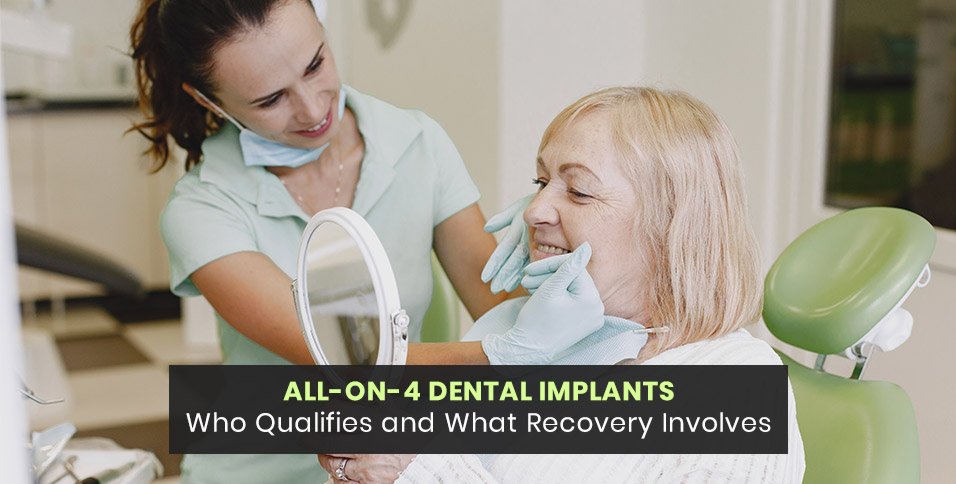
Implant-supported solutions represent the gold standard for many full mouth cases but command the highest costs. All-on-4 or All-on-6 techniques, which support an entire arch on strategically placed implants, typically cost $25,000-$40,000 per arch. These approaches offer the closest approximation to natural tooth function but require sufficient bone density and healthy gums for success.
Traditional crown and bridge work costs less per tooth but may require more individual units. Individual crowns range from $1,200-$3,000 each depending on material choice, while bridges can restore multiple missing teeth for $3,000-$8,000 per unit. This approach works well when sufficient healthy tooth structure remains to support the restorations.
Material science has revolutionized restoration options in recent years. Zirconia restorations offer exceptional strength and natural appearance but cost more than traditional porcelain-fused-to-metal options. Lithium disilicate provides excellent aesthetics for front teeth, while full-contour zirconia handles the heavy chewing forces on back teeth.
Some practices offer same-day restoration using CAD/CAM technology, which can reduce overall treatment time but requires significant upfront investment in equipment. This technology works best for simpler cases and may not be suitable for complex full mouth reconstructions requiring extensive laboratory customization.
Removable options like implant-supported dentures provide good function at lower cost than fixed solutions. These full mouth restoration option approaches typically cost $15,000-$25,000 total and can be an excellent choice for patients with limited bone structure or those prioritizing initial affordability over maximum convenience.
The laboratory component significantly impacts both cost and quality. High-end dental laboratories employ master ceramists who hand-customize each restoration, while more economical options rely on standardized processes. The investment in premium laboratory work often shows in the final aesthetics and longevity.
How Do Insurance and Financing Affect Affordability?
Does Insurance Cover Full Mouth Restoration?
Dental insurance approaches full mouth restoration with significant limitations that patients must understand before beginning treatment. Most plans classify extensive reconstruction as cosmetic rather than medically necessary, despite the functional improvements involved. Annual maximum benefits typically cap at $1,500-$2,500, covering only a small fraction of total costs.
However, insurance may cover individual components of the treatment. Basic procedures like extractions, root canals, and simple crowns often receive partial coverage under restorative benefits. The key lies in strategic treatment sequencing — spreading procedures across multiple benefit years when possible and maximizing covered services.
Medical insurance occasionally contributes when restoration addresses trauma or congenital conditions affecting eating or speaking. Documentation from physicians and clear medical necessity can sometimes unlock additional benefits, though approval requires extensive paperwork and persistence.
Pre-authorization becomes crucial for maximizing insurance benefits. Submitting detailed treatment plans before beginning work helps clarify which procedures qualify for coverage and prevents surprises during treatment.
What Financing Options Are Available?
Healthcare financing companies like CareCredit offer specialized payment plans for dental treatment, often featuring promotional interest-free periods of 12-24 months. These options require good credit but can make treatment immediately accessible while spreading payments over manageable periods.
Many dental practices offer in-house payment plans that provide more flexibility than traditional financing. These arrangements might feature longer terms, lower interest rates, or the ability to begin treatment with smaller down payments. The relationship between patient and practice often allows for more personalized payment structures.
Health Savings Accounts (HSAs) and Flexible Spending Accounts (FSAs) provide tax-advantaged ways to pay for dental treatment. Since these accounts use pre-tax dollars, they effectively provide a discount equal to your marginal tax rate on qualified medical expenses.
Some practices offer case acceptance incentives like discounts for payment in full or reduced fees for patients willing to serve as educational cases for dental students or continuing education programs. These opportunities require careful evaluation but can provide significant savings for appropriate candidates.
What Costs Arise During Recovery and Maintenance?
The immediate recovery period brings expenses beyond the restoration procedure itself. Prescription medications for pain management and infection prevention typically cost $100-$300, while specialized mouth rinses and healing aids add another $50-$150. Some patients require soft food diets for weeks, potentially increasing grocery costs.
Follow-up appointments during the first year are usually included in treatment fees, but travel costs and time off work for these visits represent real expenses. Most practices schedule 3-4 follow-up visits in the first six months to monitor healing and make adjustments.
Professional maintenance requirements exceed those for natural teeth. Many patients need professional cleanings every 3-4 months rather than the standard twice yearly, adding $400-$800 annually to oral health costs. Specialized cleaning techniques and instruments required for implant maintenance often cost more than routine cleanings.
Long-term maintenance includes eventual restoration replacement or repair. While high-quality restorations can last 15-20 years, they’re not permanent solutions. Budgeting for future replacement might mean setting aside $1,000-$2,000 annually to prepare for eventual restoration renewal.
Night guards become essential for protecting the investment in most cases. Custom-fitted guards cost $300-$600 but prevent damage from nighttime grinding that could destroy restorations. The alternative — replacing damaged crowns or implants — costs thousands more than prevention.
Understanding these ongoing costs helps patients make realistic long-term financial plans. The initial investment in full mouth restoration represents the beginning of a lifelong commitment to maintaining optimal oral health through professional care and home maintenance protocols.
The financial commitment to full mouth restoration extends well beyond the initial treatment investment, encompassing years of specialized maintenance and eventual renewal. For patients weighing this significant decision, the question isn’t just whether they can afford the upfront costs, but whether they’re prepared for the ongoing partnership with their dental team that comprehensive restoration requires.