Horses are one of the most beloved animals in the world, with millions owning or breeding equines in their day-to-day life. Therefore, it is no surprise that the horse racing industry is one of the most valuable on the planet.
Major events on the racing calendar attract neutrals to get involved, meaning that many beginners typically explore the picks found here during the time of the Triple Crown series in the United States: https://www.twinspires.com/edge/racing/wagering/
However, horses are also vitally important when it comes to recovery from injury.
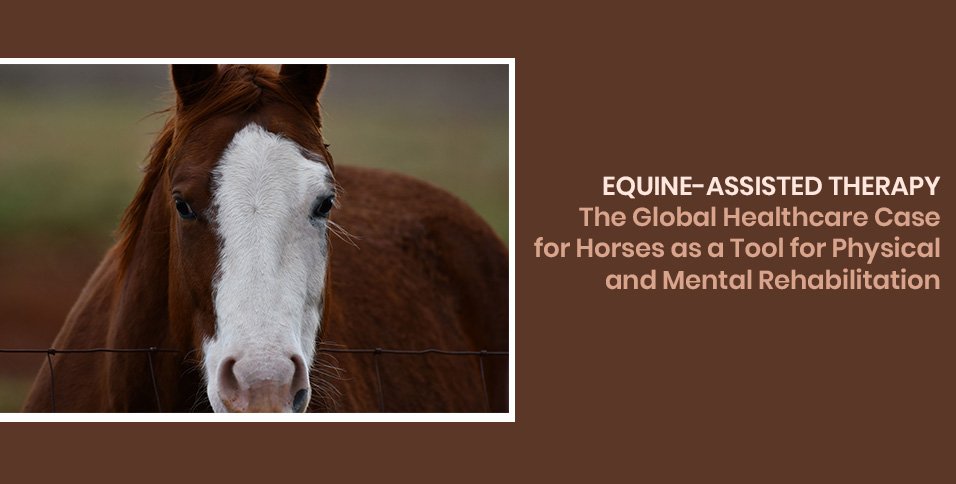
Equine-assisted therapy (EAT) is a proven clinical modality that relies on horses as dynamic partners for rehabilitation. EAT provides a non-verbal feedback that lowers and regulates the nervous system, while also building emotional awareness.
Physical Rehabilitation
Using horses to aid with physical rehabilitation is also known as Hippotherapy, and it is achieved in a couple of different ways. The rhythmic and three-dimensional movement of a horse is able to mimic the human walking, providing sensory and motor input that can be utilised to treat physical alignments.
This method is proven to be very successful when it comes to treating humans, as the meta-analyses shows that it significantly improves balance and the gross motor function.
It is particularly successful when it comes to patient with multiple sclerosis and cerebral palsy, with the movement of horses being similar. EAT also has proven success when it comes to reducing the pain and spasticity of those that have suffered strokes, encouraging a more active lifestyle.
Mental Rehabilitation
Physical improvements are found in EAT treatment, but it is also revered for the success that has been achieved in mental rehabilitation. Horses are the perfect animal to aid recovery, as they are non-judgemental and socially intuitive.
This enables a safe environment for experimental practises. Success has already been achieved in the field when it comes to providing the perfect support for those suffering with trauma and PTSD.
Therefore, equine therapy is being used more readily across the world in this modern day, with ground-based psychotherapy and Equine Facilitated Learning (EFL) being commonplace.
These areas are most common to help treat those with severe anxiety, substance abuse, ADHD and mood disorders. Each session will focus on the importance of mindfulness, while also encouraging patience and showing the importance of non-verbal communication.
Equine therapy typically thrives given that those involved typically struggle to trust other humans. Therefore using horses to build trust is a preferred method. The therapy achieves success when it comes to dealing with participants that struggle with trust and intimacy issues, enabling it to be easier to form bonds with an animal. This can traditionally lead to quicker breakthroughs in certain issues than other forms of treatment.
Global Significance
Equine therapy has been a huge success story in all four corners of the globe, as it has the power to treat those with particular issues more effectively than other therapies.
Ones of the key success stories have come with veterans and at-risk youths. Programmes have been successful with the former, especially when it comes to treating those that are suffering with PTSD following a war. The therapy also works with youths that suffer with autism and ADHD.
Horses have the power to improve adaptive behaviour, as well as communication and social skills, while also maintaining impulsive mannerisms.
How It Works
Equine therapies success is no surprise, as it revolves around a number of core principles. The therapy operates in a non-threatening environment, allowing animals and humans to feel relaxed around one another.
It is also set in a less formal environment, as breakthroughs when talking to patients in traditional offices could take significantly longer. An immediate feedback is also a positive for equine therapy, as horses are high perceptive and will react to a human almost instinctively based on what their body language looks like.
Caring for animals can also be fulfilling for those involved, as this can help to build empathy and confidence.
Global Recognition
Equine Therapy has quickly gained prominence on an international scale, with a standardized framework being established due to its low-cost and success rate.
Equine Assisted Growth and Learning Association and the Professional Association of Therapeutic Horsemanship International are two of the leading organizations in the field, with each setting clinical safety standards that have integrated standards with help from mental health professionals and equine specialists. A global trend has also seen that there is strong patient retention in equine therapy, with those involved more likely to return for future sessions than those that would traditionally see therapists in a standard office.
This will reduce the long-term clinical burden on the sector, while ensuring that more people from across the world are getting the help that they require to deal with their problems.