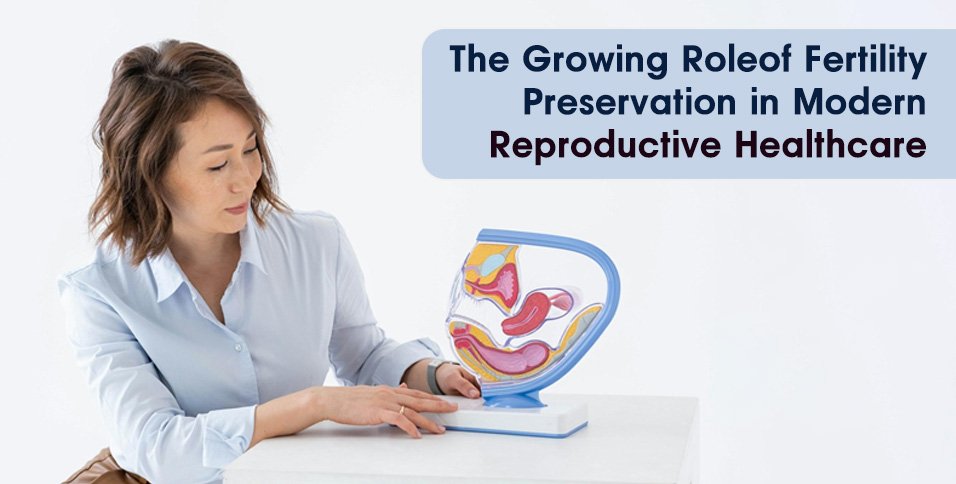
Over the past two decades, reproductive healthcare has undergone significant transformation. Advances in medical technology have expanded the options available to individuals who want greater control over their reproductive future, while changing social, educational, and professional realities have altered the timeline many people follow when making family planning decisions.
One area that has experienced particularly rapid growth is fertility preservation. Once considered a niche medical service primarily associated with cancer treatment, fertility preservation has become an increasingly important component of modern reproductive healthcare. Among the available options, egg freezing has emerged as one of the most widely discussed and utilized technologies for individuals seeking greater flexibility in family planning.
As awareness grows and technology continues to improve, healthcare providers are increasingly recognizing fertility preservation as an important part of comprehensive reproductive care.
Specialized Clinics Are Changing the Patient Experience
As demand for fertility preservation grows, some healthcare organizations have begun developing highly specialized programs focused exclusively on egg freezing.
For individuals seeking fertility preservation, specialized providers such as Evolve Egg Freezing have emerged to address the unique needs of patients considering egg freezing rather than traditional fertility treatments. Based in Toronto and North York, Evolve is Canada’s first clinic dedicated exclusively to egg freezing and focuses entirely on fertility preservation services, supported by a multidisciplinary team of reproductive specialists, nurses, embryologists, and fertility experts. This dedicated approach allows patients to receive education, consultations, monitoring, and treatment within a care model specifically designed around egg freezing rather than broader fertility services.
The growth of specialized clinics reflects a broader trend throughout healthcare, where focused expertise can improve both patient experience and operational efficiency.
Why Fertility Preservation Is Receiving More Attention
Many factors influence family planning decisions today. Educational pursuits often extend into a person’s late twenties and early thirties. Career development may require years of focus before parenthood becomes a priority. Others may simply not have found the right partner or may wish to keep future options open while pursuing personal goals.
While social norms have evolved significantly, human reproductive biology has remained largely unchanged. Female fertility naturally declines with age, particularly after the mid-thirties. This reality has prompted many healthcare professionals to encourage earlier conversations about reproductive planning and fertility awareness.
Rather than waiting until fertility challenges arise, more patients are seeking information proactively. Fertility preservation allows individuals to explore options before age-related decline becomes a significant factor.
How Egg Freezing Has Advanced
Modern egg freezing techniques have improved dramatically compared to earlier generations of reproductive technology. The introduction of vitrification, a rapid freezing method that minimizes ice crystal formation, significantly improved egg survival rates after thawing. As a result, egg freezing has become a more reliable option for fertility preservation than it was in previous decades.
The process generally involves ovarian stimulation, monitoring through bloodwork and ultrasound, egg retrieval, and long-term cryogenic storage. Advances in laboratory procedures and patient care have streamlined many aspects of the experience while improving outcomes. Today, egg freezing is increasingly viewed as a preventative reproductive healthcare option rather than an experimental procedure.
The Importance of Education and Informed Decision-Making
One of the biggest challenges surrounding fertility preservation is awareness. Many individuals are familiar with the concept of egg freezing but may not fully understand how age affects fertility, what the procedure involves, or when it may be most beneficial to consider. Healthcare providers increasingly emphasize patient education because timing plays a significant role in fertility preservation outcomes.
Informed decision-making requires access to accurate information regarding fertility decline, treatment expectations, success rates, potential risks, and financial considerations. Patients who receive comprehensive education are often better equipped to determine whether fertility preservation aligns with their personal goals and circumstances. As reproductive healthcare continues to evolve, education is likely to remain a critical component of patient-centered fertility care.
Research Continues to Shape Fertility Care
The field of reproductive medicine remains highly research-driven. Advances in cryopreservation techniques, laboratory technologies, embryo development studies, and reproductive endocrinology continue to improve understanding of fertility preservation outcomes.
Organizations including the American Society for Reproductive Medicine (ASRM) regularly publish guidance and research that help healthcare providers evaluate emerging evidence and refine best practices in reproductive healthcare.
Ongoing research is expected to further improve treatment protocols, patient counseling strategies, and long-term outcome data, helping clinicians provide increasingly personalized care. The integration of evidence-based medicine into fertility preservation ensures that patients benefit from both technological innovation and rigorous clinical standards.
Expanding Access to Reproductive Options
One notable trend in healthcare is the increasing emphasis on reproductive autonomy and patient choice. Historically, reproductive healthcare often focused on addressing infertility after it occurred. Modern approaches increasingly include preventative discussions and proactive planning. Fertility preservation provides individuals with additional options that may support future family-building goals, regardless of whether they ultimately choose to pursue parenthood.
Many healthcare professionals view this shift as part of a broader movement toward personalized medicine, where healthcare decisions are tailored to each individual’s circumstances, values, and long-term objectives. Providing access to fertility preservation services does not prescribe a specific life path. Instead, it expands the range of choices available to patients.
The Psychological Impact of Fertility Preservation
Beyond its medical aspects, fertility preservation can also influence emotional well-being. Many patients report that learning about fertility decline can create anxiety, particularly when personal circumstances do not align with desired family planning timelines. Fertility preservation may help reduce some of this uncertainty by providing an additional option for future reproductive planning.
Healthcare providers increasingly recognize the importance of emotional support throughout the fertility preservation process. Counseling, education, and ongoing communication can help patients navigate complex decisions with greater confidence. This holistic approach reflects a broader healthcare trend that considers both physical and psychological dimensions of patient care.
A New Chapter in Reproductive Healthcare
Fertility preservation represents one of the most significant developments in modern reproductive medicine. As awareness grows and technology continues to advance, egg freezing is becoming an increasingly important option for individuals seeking greater flexibility in family planning.
Specialized providers, ongoing clinical research, and improved patient education are helping shape a healthcare environment where reproductive decisions can be made with more information and greater autonomy than ever before.
As reproductive healthcare continues to evolve, fertility preservation is likely to remain an important part of the conversation, offering patients additional opportunities to align their reproductive future with their personal and professional goals.
Also read: Lifestyle Changes To Watch For As Study Finds Cannabis Affects Fertility Treatments