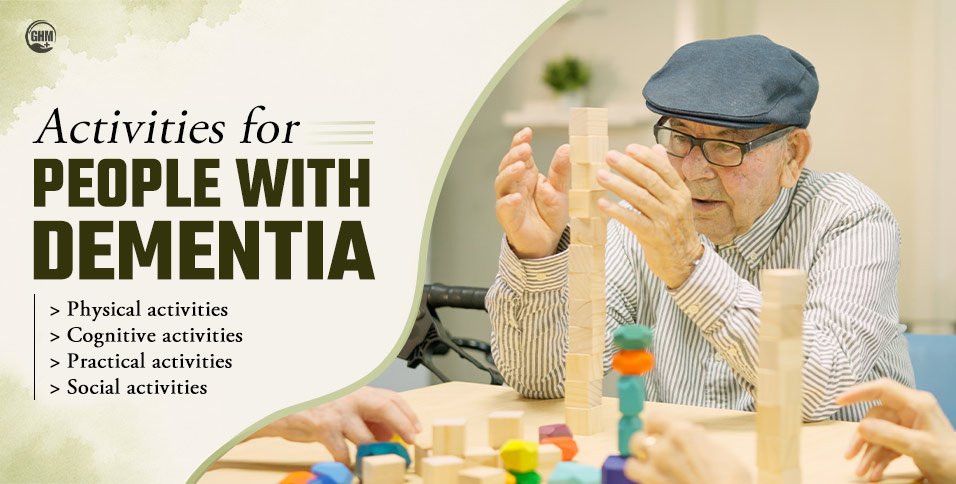
Dementia can affect memory, thinking, communication, mood, and the ability to perform familiar tasks. An estimated 7.4 million Americans are living with Alzheimer’s in 2026.
If you are caring for a loved one, finding ways to fill the day can feel overwhelming. However, activities for people with dementia are much more than simple entertainment. Appropriate engagement can encourage purpose, independence, social connection, physical movement, cognitive stimulation, relaxation, and emotional comfort.
The best dementia activities always depend on the individual’s abilities, interests, previous hobbies, and current mood. More importantly, engagement should focus on participation rather than perfection. Options in activities for people with dementia include listening to music, looking through photographs, gardening, folding laundry, doing puzzles, painting, sorting objects, gentle exercise, and spending time with family.
As a caregiver, whether you are looking for fresh ideas for dementia activities or ways to connect with your loved one struggling with dementia, this guide on a list of activities for people with dementia will help you bring meaning, joy, and routine back into daily life.
The Best Activities for People With Dementia
When planning a day, it helps to understand the major categories of engagement. There is no universal “best” activity; familiarity and individual preference matter most. The primary categories of activities for people with dementia include:
- Physical activities
- Cognitive activities
- Sensory activities
- Creative activities
- Practical activities
- Social activities
Physical Activities for People With Dementia
Gentle physical movement supports mobility, balance, strength, mood, sleep, and independence. Regular exercise for dementia patients can improve motor skills, reduce the risk of falls, and enhance overall quality of life.
1. Walking:
Short supervised walking in the garden or familiar neighborhood routes. If a long walk is difficult, go for shorter walks.
2. Seated Exercises:
- Seated marching.
- Arm movements.
- Gentle leg movements.
- Passing a soft ball while seated.
3. Dancing
- Play familiar favorite songs.
- Encourage simple dance movements.
- Allow the person to dance at their own pace.
4. Gentle Yoga or Tai Chi
- Simple movements adapted to ability.
- Focus on balance, flexibility, and relaxation.
5. Gardening and Outdoor Movement
- Watering plants.
- Light gardening.
- Sitting outdoors and observing nature.
Physical activities for people with dementia should account for mobility limitations, balance problems, existing medical conditions, and fatigue. Discuss appropriate exercise with a doctor when health conditions may affect activity, and stop immediately if dizziness or pain occurs.
Cognitive Activities for People With Dementia
Cognitive activities for people with dementia encourage attention, thinking, communication, problem-solving, and recall without turning the interaction into a test.
1. Large-Piece Jigsaw Puzzles
- Choose familiar images.
- Use fewer, larger pieces for easier participation.
- Work together rather than correcting mistakes.
2. Matching and Sorting Games
- Match the colors, shapes, pictures, or objects.
- Sorting cards by suit.
- Sorting household objects by size or color.
3. Simple Card and Board Games
- Bingo.
- Dominoes.
- UNO.
- Checkers.
- Simple matching games.
4. Word and Conversation Games
- Finish familiar sayings.
- Name favorite foods, songs, or places.
- Simple trivia based on familiar subjects.
5. Reading and Audiobooks
- Short stories.
- Poems.
- Picture books.
- Favorite books from earlier life.
Memory Activities For People With Dementia
Memory care activities encourage communication and meaningful engagement by honoring a lifetime of experiences.
- Look Through Photo Albums: family photographs, wedding pictures, childhood photographs, and holiday photos.
- Watch Old Videos or Favorite Programs: Family recordings, Familiar television programs, or favorite movies from earlier decades.
- Create a Memory Box: Include photographs, hobby-related objects, career-related items, souvenirs, and favorite keepsakes.
- Make a Scrapbook or Life Timeline: Arrange photographs chronologically, add captions where appropriate, and talk about meaningful experiences.
- Revisit Familiar Places: Look at familiar locations through photographs or maps to talk about past homes, workplaces, vacations, or community landmarks.
Sensory Activities for People With Dementia
Sensory activities for dementia patients provide comfort and engagement, particularly when verbal communication or complex cognitive tasks become difficult. These dementia care activities can help patients feel safe and relaxed while supporting mood and concentration.
- Music Games: Play games for dementia patients with favorite songs, singing together, familiar playlists, and simple music-related games.
- Sensory Boxes: Use safe objects with different textures, shapes, sizes, and materials for sensory exercises.
- Familiar Scents: Flowers, fresh herbs, baked foods, and familiar household scents can help dementia patients with sensory and memory recall. Avoid scents known to cause discomfort or unpleasant memories.
Creative Activities for People With Dementia
Creative dementia activities focus on self-expression rather than artistic ability. They provide an alternative channel to express feelings and preferences when words fail.
- Familiar Handicrafts: Simple knitting, crochet, threading large objects, and working with clay or other easy-to-handle materials.
- Painting and Drawing: Watercolor painting on simple shapes, nature-inspired pictures, and finger painting where appropriate.
- Coloring: Large-print coloring books with simple patterns and familiar pictures.
- Collage and Scrapbooking: Magazine pictures, family photographs, nature images, and favorite themes.
- Seasonal Crafts: Holiday decorations, seasonal artwork, and simple home decorations.
Meaningful Everyday Activities for People With Dementia
Purposeful tasks help individuals with dementia maintain familiar skills, feel useful, and combat feelings of helplessness. Avoid doing everything for your loved one; instead, balance assistance with independence.
- Easy Household Tasks: Folding towels and socks, setting the table, sorting silverware, organizing a drawer, and putting clothes away.
- Cooking and Help in Cooking: Washing vegetables, mixing ingredients, decorating simple foods, and participating in familiar recipes.
- Personal and Familiar Routines: Watering plants, organizing personal items, caring for a handbag or wallet, and choosing clothing.
Social Activities for People With Dementia
For people with dementia, social engagement reduces isolation and provides opportunities for conversation and connection.
- Visiting friends and relatives.
- Shared meals and singing groups.
- Simple group games and community activities.
- Spending time with grandchildren or familiar pets.
- Video calls with distant relatives.
- Participating in dementia-friendly community programs.
Best Dementia Care Activities for Different Stages of Dementia
According to the individual’s stage of dementia, dementia activities at home can be conducted to support their particular needs and coping abilities.
| Dementia Stage | Suitable Activity Approach | Examples |
| Early Stage | More challenging and independent activities | Puzzles, card games, crafts, gardening, cooking |
| Middle Stage | Familiar activities broken into simple steps | Music, sorting, simple crafts, household tasks |
| Late Stage | One-step, sensory, comforting activities | Music, tactile objects, gentle movement, familiar scents |
How to Choose the Right Activities For Dementia Patients
Use a practical 5-point framework when planning your day with activities for dementia patients:
- Consider past interests: Hobbies, occupation, music, sports, and gardening.
- Match physical ability: Mobility, balance, vision, and coordination.
- Match attention span: Keep tasks manageable and short.
- Consider mood and time of day: Choose periods when the person is most alert.
- Watch for frustration: Simplify, modify, or stop when needed. Remember that what works one day may not work the next.
How Caregivers Can Make Dementia Activities More Successful
- Focus on the process, not the result: It does not matter if a dementia activity is finished perfectly; engagement is the true victory.
- Offer choices and demonstrate: Let the person choose when possible, and demonstrate the activity rather than giving long explanations.
- Provide appropriate help: Offer assistance only where necessary, and avoid correcting or criticizing harmless mistakes.
- Stay flexible: If an activity fails or the person loses interest, stay calm, pivot, or try again later at another time of day. Never force a dementia patient to participate.
- Good Environment: Keep the environment uncluttered, well-lit, and free of unnecessary noise and distractions.
Consult a healthcare professional regarding dementia exercise plans if medical conditions exist.
End Note
There are no best activities for people with dementia that work for every individual. The most successful approach always starts by honoring the person’s unique interests, abilities, daily routines, and personal preferences. By thoughtfully rotating through physical, cognitive, sensory, creative, practical, and social activities, you can help your loved one stay active and engaged as the condition progresses.
Above all, remember that the dementia activities do not need to be completed perfectly to be valuable. The true measure of success lies in fostering dignity, autonomy, comfort, and genuine human connection. Every shared moment of joy, relaxation, or purposeful contribution enriches quality of life for both you and your loved one.
Frequently Asked Questions
- What can I do to help someone with dementia?
To help someone with dementia, focus on clear communication, a predictable daily routine, and a safe environment. Speak calmly using short sentences, avoid arguing or correcting their reality, encourage independence in small tasks, and practice patience.
- What are signs that dementia is getting worse?
Signs that dementia is getting worse include increased memory loss and confusion, trouble with daily tasks like dressing or eating, personality and mood changes such as agitation or apathy, communication difficulties, and physical decline like mobility loss or incontinence. A sudden change can signal an urgent medical issue like an infection.
- How long does each stage of dementia last?
Dementia typically progresses through three broad phases, early, middle, and late, over an average total life expectancy of 8 to 10 years. The early stage often lasts 2 years, the middle (and longest) stage spans 2 to 4 years (or up to several years depending on the type), and the late stage lasts 1 to 2 years.