Oral health has become increasingly recognized as an important component of overall well-being. While routine dental care remains essential, many patients eventually require treatment that extends beyond general dentistry. Conditions affecting the gums, supporting bone structures, and missing teeth often demand specialized expertise to restore both oral function and long-term health.
Advances in periodontics, implant dentistry, and prosthodontics have transformed the way clinicians manage complex oral health challenges. Modern treatment approaches now focus not only on addressing existing problems but also on preserving healthy tissues, improving aesthetics, and enhancing quality of life. As populations age and expectations for long-lasting dental solutions continue to rise, specialized periodontal care is playing an increasingly significant role in contemporary healthcare.
Understanding the Scope of Periodontal Care
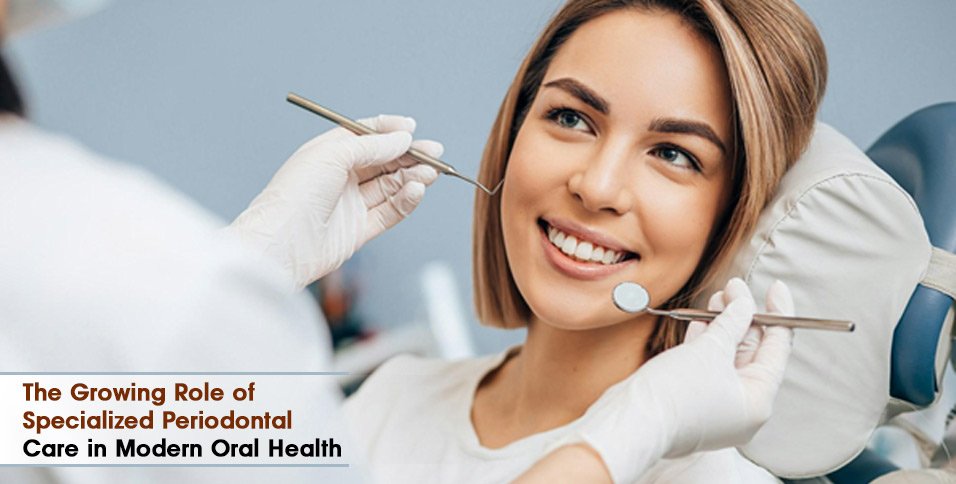
Periodontics is a dental specialty focused on the prevention, diagnosis, and treatment of diseases affecting the gums and supporting structures of the teeth. Periodontal disease remains one of the most common oral health conditions worldwide, ranging from mild gum inflammation to severe bone loss that can ultimately lead to tooth loss.
When left untreated, periodontal disease can compromise oral function and significantly affect a person’s quality of life. Patients may experience symptoms including bleeding gums, gum recession, loose teeth, persistent bad breath, and discomfort while eating.
Specialized periodontal care goes beyond routine cleanings. Treatment may involve advanced diagnostics, regenerative procedures, surgical interventions, and long-term maintenance strategies designed to preserve natural teeth whenever possible.
In many cases, patients requiring complex implant treatment, bone grafting, or full-mouth rehabilitation benefit from receiving care from specialists with extensive training in both periodontal health and restorative planning.
The Expanding Role of Dental Implants in Oral Rehabilitation
Dental implants have become one of the most significant developments in restorative dentistry over the past several decades. Unlike traditional tooth replacement options, implants are designed to replace missing tooth roots, providing a stable foundation for crowns, bridges, or full-arch restorations.
Successful implant treatment depends heavily on the health of the surrounding gums and bone. This is why collaboration between periodontists and restorative specialists is often essential when planning treatment.
Specialized dental centers are becoming increasingly important for patients with complex oral health needs. IMPress Perio Implant Center in Burnaby, British Columbia, provides care in areas including periodontics, prosthodontics, dental implants, periodontal regeneration, and full-mouth rehabilitation. Having these services available within one practice allows treatment to be planned more efficiently and from multiple professional perspectives.
This can be especially beneficial for patients dealing with missing teeth, gum disease, bone loss, or larger restorative procedures. By taking a comprehensive approach to treatment, specialists can help restore oral function, improve comfort, and support long-term oral health.
Research Continues to Strengthen the Case for Gum Health
Scientific understanding of periodontal disease has evolved considerably over recent decades. Researchers have increasingly examined the relationship between oral health and broader systemic health outcomes, highlighting the importance of early diagnosis and effective treatment.
The National Institutes of Health (NIH) has supported extensive research exploring links between periodontal disease and various chronic health conditions. While researchers continue investigating the nature of these relationships, the growing body of evidence reinforces the importance of maintaining healthy gums as part of a comprehensive approach to healthcare.
This increased awareness has encouraged both healthcare providers and patients to view periodontal care as more than a purely cosmetic or dental concern. Instead, gum health is increasingly recognized as an important aspect of preventive healthcare and long-term wellness.
Regenerative Procedures Are Expanding Treatment Possibilities
One of the most exciting developments in modern periodontics involves regenerative therapies designed to restore tissues damaged by disease or injury. Historically, treatment often focused on halting disease progression and preserving remaining structures. Today, clinicians may be able to regenerate portions of lost bone and supporting tissues under appropriate circumstances.
Regenerative techniques can include bone grafting, guided tissue regeneration, growth factor therapies, and other biologically driven approaches intended to support natural healing processes.
These advancements have significantly expanded treatment options for patients who might previously have faced more limited solutions. In many cases, regenerative procedures help create stronger foundations for future restorative work, including dental implants and complex rehabilitation plans. As research continues, regenerative dentistry is expected to remain a major area of innovation within periodontal care.
Full-Mouth Rehabilitation Requires Coordinated Expertise
Patients with extensive oral health challenges often require treatment involving multiple disciplines. Severe periodontal disease, significant tooth loss, bite dysfunction, trauma, and long-term wear can all contribute to complex clinical situations.
Full-mouth rehabilitation typically requires careful coordination between specialists who address different aspects of oral function and aesthetics. Treatment planning may involve periodontal therapy, implant placement, prosthodontic reconstruction, and ongoing maintenance care.
The goal is not simply replacing missing teeth but restoring a stable, healthy, and functional oral environment. Successful outcomes depend on thorough diagnostics, individualized planning, and close collaboration among healthcare providers.
This emphasis on comprehensive care reflects a broader trend throughout healthcare, where multidisciplinary treatment models are increasingly used to improve patient outcomes.
Technology Is Transforming Diagnosis and Treatment Planning
Digital technologies have significantly improved the precision and predictability of periodontal and implant treatments. Three-dimensional imaging, digital treatment planning software, intraoral scanning, and guided surgical techniques allow clinicians to evaluate oral structures with greater accuracy than ever before.
These tools help specialists identify potential challenges before treatment begins and create highly personalized care plans tailored to each patient’s anatomy and clinical needs.
Digital workflows can also improve communication between providers and patients. Visual treatment simulations often help patients better understand their options and participate more actively in healthcare decisions. As technology continues evolving, further advances are expected to enhance efficiency, accuracy, and patient experiences throughout the treatment process.
Patient Education Remains a Critical Component of Care
Even the most advanced treatments rely on patient participation for long-term success. Effective periodontal care requires ongoing maintenance, consistent oral hygiene habits, and regular professional evaluations.
Patient education has therefore become a central element of modern specialty practices. Helping individuals understand risk factors, treatment goals, and maintenance requirements can contribute significantly to positive outcomes.
Education also empowers patients to recognize potential warning signs earlier and seek treatment before conditions become more difficult to manage. The most successful treatment relationships are often built on collaboration, where healthcare providers and patients work together toward shared goals focused on preserving oral health over time.
The Future of Specialized Oral Healthcare
The future of periodontal care is being shaped by continued advances in technology, regenerative science, and multidisciplinary treatment planning. As understanding of oral health continues expanding, specialized care is likely to play an increasingly important role in helping patients maintain function, comfort, and quality of life.
From advanced implant rehabilitation to tissue regeneration and comprehensive treatment coordination, modern periodontics offers solutions that were difficult to imagine only a generation ago. For patients facing complex oral health challenges, access to specialized expertise can make a meaningful difference in both immediate outcomes and long-term wellness.
As healthcare increasingly emphasizes prevention, personalization, and integrated care, specialized periodontal services will remain an essential part of delivering comprehensive oral healthcare in the years ahead.
Also read: Why Family Dentists Are a Smart Choice for Lifelong Oral Health