Introduction
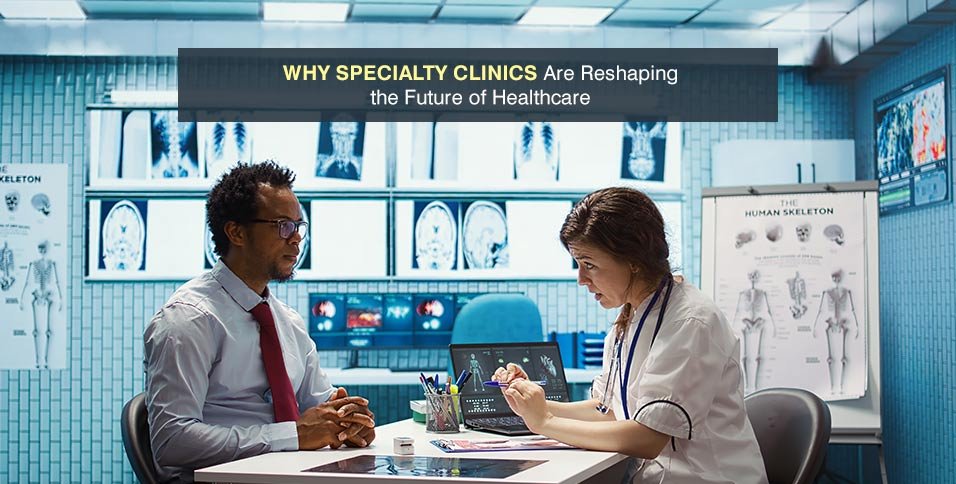
Healthcare is evolving at a remarkable pace. Advances in medical technology, changing patient expectations, and an increased focus on personalized care are transforming how healthcare is delivered around the world. While hospitals remain essential for emergency and complex medical care, another model has been steadily gaining momentum: specialty clinics. These focused healthcare centers are redefining patient experiences by concentrating on specific medical conditions, offering specialized expertise, streamlined care pathways, and innovative treatment options.
From cardiology and orthopedics to dermatology, oncology, fertility medicine, and vascular care, specialty clinics are becoming an integral part of modern healthcare systems. Their ability to combine advanced diagnostics, experienced specialists, and patient-centered care allows individuals to receive more accurate diagnoses and effective treatments while often reducing waiting times and improving long-term outcomes. For patients experiencing symptoms of venous disease, seeking healthier legs with expert vein care in Naples can provide access to specialized evaluation and minimally invasive treatment tailored to their individual needs.
As healthcare continues to prioritize quality, efficiency, and prevention, specialty clinics are playing an increasingly important role in shaping the future of medicine.
The Shift Toward Specialized Care
For decades, general hospitals served as the primary destination for nearly every medical concern. Although this model remains essential, the growing complexity of healthcare has created demand for providers with deeper expertise in specific areas of medicine.
Medical research expands rapidly every year, introducing new diagnostic tools, treatment protocols, and clinical guidelines. It has become increasingly challenging for general healthcare settings to maintain highly specialized expertise across every discipline.
Specialty clinics address this challenge by focusing their resources on particular medical conditions. Physicians and healthcare teams who work exclusively within a specialty gain extensive experience diagnosing and treating similar cases every day. This focused approach often leads to greater clinical precision and improved patient confidence.
Rather than offering broad services, specialty clinics invest heavily in developing expertise within a defined area of healthcare.
Personalized Medicine Is Becoming the Standard
Modern healthcare is moving away from one-size-fits-all treatment plans.
Every patient brings unique medical histories, lifestyles, genetic factors, and personal health goals. Specialty clinics recognize these differences by creating individualized treatment strategies tailored to each person’s needs.
Comprehensive consultations, detailed diagnostic testing, and collaborative decision-making allow providers to develop treatment plans that reflect both clinical evidence and patient preferences.
This personalized approach often improves treatment adherence because patients better understand their condition and actively participate in managing their health.
As personalized medicine continues to evolve, specialty clinics are well positioned to lead this transformation.
Better Diagnostic Accuracy
Accurate diagnosis remains one of the most important steps in successful healthcare.
Specialty clinics frequently invest in advanced diagnostic technologies designed specifically for their area of practice. Because clinicians regularly evaluate similar conditions, they often recognize subtle signs that might otherwise be overlooked.
Whether diagnosing cardiovascular disease, musculoskeletal disorders, neurological conditions, or vascular problems, focused expertise helps reduce diagnostic delays and unnecessary testing.
Earlier and more accurate diagnoses enable healthcare providers to begin appropriate treatment before conditions progress, improving long-term patient outcomes.
Faster Access to Specialized Treatment
One of the most appreciated advantages of specialty clinics is improved access to expert care.
Patients often receive consultations, diagnostic evaluations, and treatment recommendations more efficiently than traditional referral pathways. Many specialty centers also coordinate multiple services within the same facility, reducing the need for repeated appointments at different locations.
This streamlined experience minimizes delays while making healthcare more convenient for patients managing busy personal and professional lives.
Greater efficiency benefits both patients and healthcare systems by reducing unnecessary duplication of services.
The Rise of Minimally Invasive Medicine
Medical innovation has transformed many procedures that once required hospitalization into outpatient treatments.
Specialty clinics have embraced minimally invasive techniques across numerous disciplines. Smaller incisions, advanced imaging guidance, catheter-based procedures, and precision technologies allow many treatments to be completed with reduced discomfort and shorter recovery periods.
Patients frequently return home the same day and resume normal activities much sooner than with traditional surgical approaches.
These advancements improve patient satisfaction while lowering healthcare costs and reducing the burden on hospital resources.
Specialized Vein Clinics: A Growing Success Story
One area demonstrating the success of specialty healthcare is vascular medicine.
Millions of individuals experience chronic venous disorders, including varicose veins, spider veins, chronic venous insufficiency, and leg swelling. Although these conditions are common, many people mistakenly assume they are simply cosmetic concerns or unavoidable consequences of aging.
Dedicated vein clinics focus exclusively on diagnosing and treating venous disorders using advanced ultrasound imaging, minimally invasive procedures, and individualized care plans.
This example illustrates how specialty clinics combine focused expertise with advanced technology to deliver more effective patient care.
Technology Is Accelerating Clinical Excellence
Digital innovation continues transforming specialty healthcare.
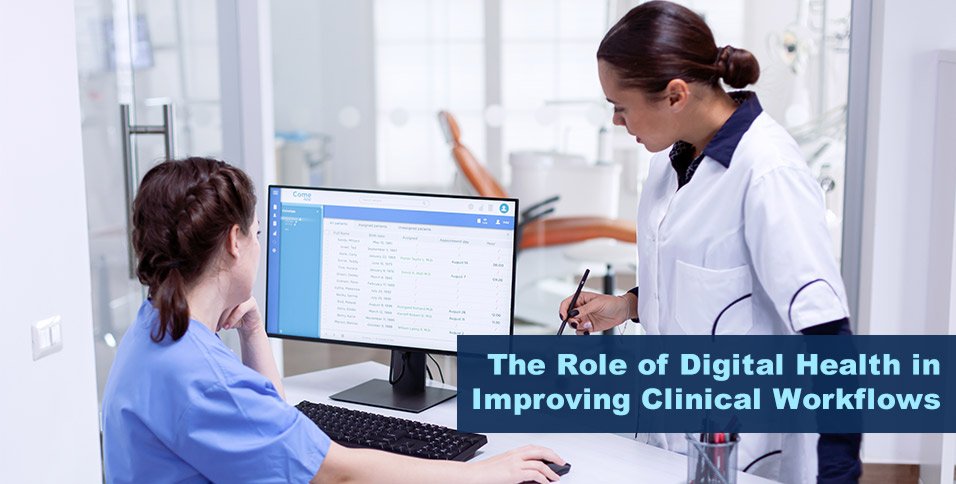
Artificial intelligence assists with image interpretation, predictive analytics support clinical decision-making, and electronic health records improve coordination among healthcare providers.
High-resolution imaging technologies, remote patient monitoring, telemedicine consultations, and digital treatment planning further enhance patient experiences while supporting more informed medical decisions.
Technology does not replace clinical expertise; instead, it allows specialists to deliver more precise, data-driven care.
As these tools become increasingly sophisticated, specialty clinics will continue leading technological adoption across healthcare.
Patient Education Improves Long-Term Outcomes
Modern healthcare recognizes that informed patients often experience better outcomes.
Specialty clinics place strong emphasis on patient education by explaining diagnoses, treatment options, recovery expectations, and long-term preventive strategies in understandable language.
When patients understand the reasons behind medical recommendations, they are generally more engaged in their own care. This active participation encourages healthier lifestyle choices, improved medication adherence, and better follow-up compliance.
Education transforms patients from passive recipients of care into active healthcare partners.
Preventive Healthcare Is Taking Center Stage
Rather than waiting until disease becomes severe, specialty clinics increasingly focus on prevention and early intervention.
Regular screenings, risk assessments, lifestyle counseling, nutritional guidance, and early treatment programs help identify problems before complications develop.
Preventive care not only improves quality of life but also reduces long-term healthcare costs by minimizing hospitalizations and complex medical interventions.
As populations continue aging, preventive medicine will become an even greater priority for healthcare systems worldwide.
Collaborative Care Benefits Patients
Although specialty clinics focus on specific medical disciplines, successful patient care often requires collaboration across multiple specialties.
Primary care physicians, surgeons, rehabilitation specialists, pharmacists, nutritionists, mental health professionals, and specialty clinicians increasingly work together to develop comprehensive treatment plans.
This integrated model ensures that patients receive coordinated care addressing both immediate medical concerns and broader health needs.
Strong communication among healthcare providers reduces fragmented care while improving overall patient safety.
The Economic Value of Specialty Clinics
Specialty clinics also contribute to healthcare sustainability.
By providing efficient diagnosis, targeted treatment, and outpatient procedures, these centers help reduce unnecessary hospital admissions and lower overall healthcare expenditures.
Early intervention often prevents disease progression, minimizing the need for expensive emergency care or complex surgeries later.
Patients benefit from shorter recovery times and earlier return to work, while healthcare systems benefit from more efficient use of medical resources.
This combination of improved outcomes and cost-effectiveness makes specialty clinics an increasingly valuable component of modern healthcare infrastructure.
Looking Toward the Future
Healthcare will continue evolving alongside scientific discovery and technological innovation.
Artificial intelligence, precision medicine, wearable health technologies, robotic procedures, genomic research, and predictive analytics will further personalize patient care. Specialty clinics are uniquely positioned to integrate these innovations because of their focused expertise and commitment to continuous advancement.
Future healthcare will likely emphasize prevention, earlier diagnosis, minimally invasive treatment, and individualized care delivered through collaborative networks of specialized providers.
Patients can expect healthcare experiences that are increasingly efficient, precise, and centered around their unique needs.
Conclusion
Specialty clinics represent one of the most significant developments in modern healthcare. By concentrating expertise, investing in advanced diagnostic technology, and delivering personalized treatment plans, these centers are improving patient outcomes across numerous medical disciplines.
Their focus on early diagnosis, minimally invasive procedures, preventive medicine, patient education, and coordinated care reflects the broader direction of healthcare worldwide. Rather than replacing traditional hospitals, specialty clinics complement existing healthcare systems by providing highly focused expertise where it is needed most.
As medicine continues advancing, specialty clinics will play an increasingly important role in helping patients receive faster diagnoses, more effective treatments, and better long-term health outcomes. Their continued growth signals a future in which healthcare becomes more personalized, efficient, and responsive to the evolving needs of patients around the world.