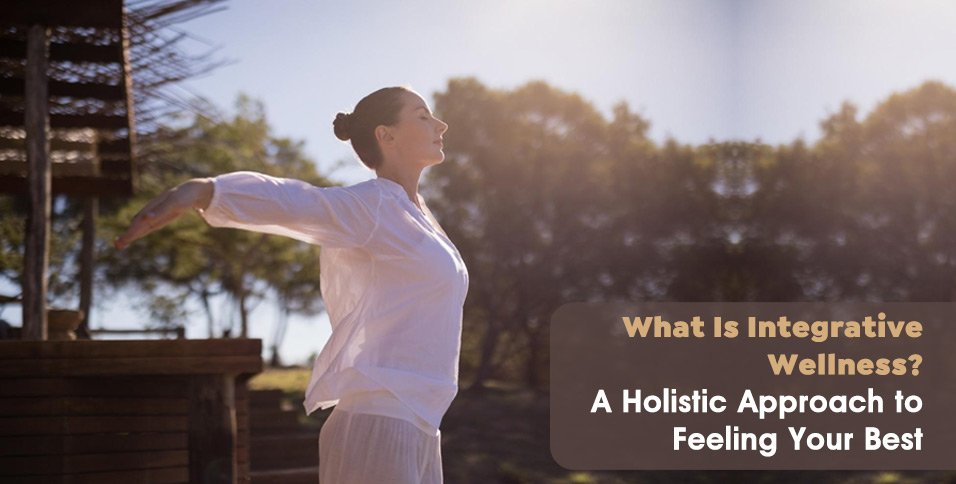
For a long time, healthcare has tended to focus on treating symptoms as they arise: a pill for the pain, a treatment for the condition, a fix for the immediate problem. While that approach has its place, a growing number of people are looking for something more comprehensive, an approach that considers the whole person and aims not just to relieve symptoms but to uncover and address their root causes. This is the heart of integrative, holistic wellness. Here is what it means, what it involves, and how to think about it as you pursue your own wellbeing.
Rethinking Health: Beyond Treating Symptoms
Traditional medicine excels at diagnosing and treating specific illnesses, but it can sometimes overlook the bigger picture of a person’s overall health. Integrative wellness takes a broader view, recognizing that the body’s systems are interconnected and that lasting health comes from addressing underlying causes rather than just masking symptoms. The goal is not simply the absence of illness, but genuine, sustainable wellbeing.
This perspective also emphasizes prevention and the whole person. Rather than waiting for problems to appear, a holistic approach considers factors like lifestyle, nutrition, stress, posture, and hormonal balance, all of which influence how you feel day to day. By looking at how these pieces fit together, integrative care aims to help people not just recover from problems but build a foundation for feeling their best over the long term. It is an approach that treats each person as an individual with a unique story, rather than a collection of separate symptoms to be managed in isolation. That shift in perspective, from reactive to proactive and from fragmented to coordinated, is what many people find so appealing about integrative care.
What Integrative Wellness Looks Like
Integrative wellness blends conventional and natural approaches, drawing on the strengths of each. In practice, this often means combining different disciplines under one roof, so a person’s care is coordinated rather than fragmented. The emphasis is on personalized treatment plans tailored to each individual’s specific needs and goals, rather than a one-size-fits-all prescription.
Clinics that embrace this philosophy bring together a range of services. Practices such as Innovative Health and Wellness, which combines disciplines like chiropractic care, drug-free pain relief, and other wellness services with a focus on identifying root causes, illustrate how integrative care works in practice. By assessing the whole person and offering complementary approaches together, this model aims to support the body’s natural ability to heal and to help patients pursue what many describe as pathways to optimal health.
Common Holistic and Drug-Free Approaches
Integrative wellness encompasses a wide variety of approaches, many of which emphasize natural, drug-free methods. Chiropractic care, for example, focuses on spinal health and alignment to improve mobility and relieve pain without medication. Physiotherapy and targeted rehabilitation exercises help the body recover and function better, while lifestyle and nutritional guidance support overall wellbeing from the inside out.
Other approaches address specific concerns through a holistic lens. Programs focused on healthy weight management, hormonal balance, and managing sensitivities aim to restore equilibrium and help people feel more like themselves. What these methods share is a focus on supporting the body’s own healing capacity and treating underlying issues. Because everyone is different, the right combination varies from person to person, which is why personalized assessment is so central to integrative care. Many people are drawn to these methods precisely because they emphasize working with the body rather than simply overriding it, and because they often complement conventional treatment rather than replacing it. The aim is not to reject modern medicine but to broaden the toolkit, giving people more options for managing pain, improving function, and supporting their long-term health.
Evidence and Safety in Complementary Care
As you explore holistic and complementary approaches, it is wise to stay informed and prioritize safety. Some complementary therapies are well supported by research, while others have a thinner evidence base, so reliable information matters. The National Center for Complementary and Integrative Health, part of the U.S. National Institutes of Health, offers science-based information on complementary and integrative approaches, including what the research says about their effectiveness and safety.
Using trustworthy resources like this helps you make informed choices and ask good questions. It is also important to work with qualified, licensed practitioners and to keep your healthcare providers informed about all the approaches you are using, so your care stays coordinated and safe. Integrative wellness works best when natural and conventional approaches complement one another, guided by professionals who understand both. This article is general information and not medical advice, so consult a qualified healthcare provider about your individual situation.
Integrative wellness offers an appealing, whole-person approach to health, one that looks beyond symptoms to consider the underlying causes and the many factors that shape how we feel. By combining conventional and natural methods, emphasizing prevention, and tailoring care to the individual, this approach aims to help people achieve lasting wellbeing rather than quick fixes. For many, this becomes less about treating a single issue and more about adopting habits and routines that support wellbeing for the long haul. If a more holistic path to health appeals to you, take the time to learn about your options, seek out qualified professionals, and stay informed using credible resources. With thoughtful, well-guided care, you can take meaningful steps toward feeling your best and living life to the fullest.
Also Read: How Women Can Prioritize Their Health and Wellness at Every Stage of Life