
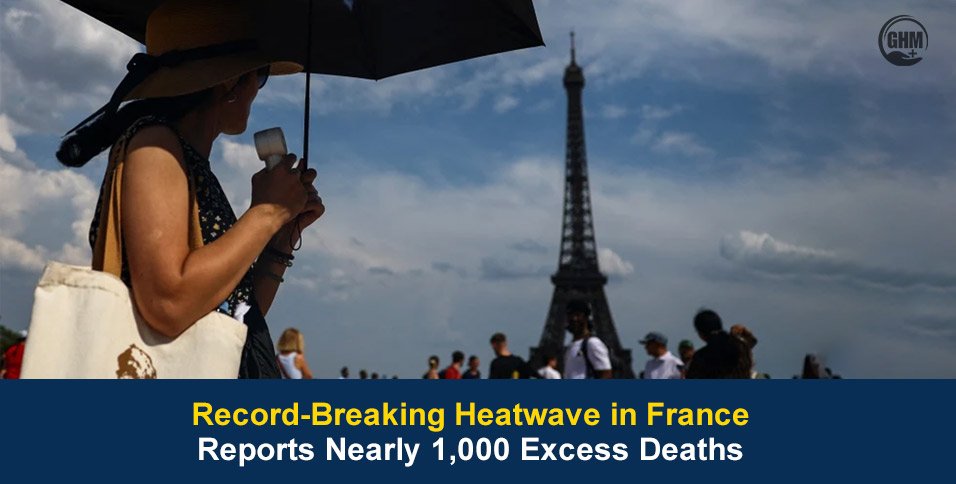
The intense, 11-day historic heatwave in France has finally begun to ease as cooler air moves across the country. However, the human toll of this extreme weather event is just starting to emerge. The agency, Public Health France (Santé publique France), has released a preliminary assessment revealing nearly 1,000 excess deaths since the critical heat began.
While the most severe weather alerts have officially ended, health authorities caution that this mortality count is provisional and will likely continue to rise due to delayed health complications. Initial data shows that older adults and individuals passing away at home accounted for the vast majority of these fatalities.
Heatwave In France Breaks Multiple Temperature Records
The severe heatwave in France gripped the nation from mid-to-late June, breaking multiple temperature records. During the peak of the heat, the country experienced a dramatic surge in daily mortality. Public Health France reported that on June 24, the hottest day ever recorded in the country, more than 1,200 deaths from all causes occurred. On June 25 and 26, daily deaths exceeded 1,400 per day, a stark contrast to the normal seasonal averages of 900 to 1,000 daily deaths typically seen in April and May.
- April & May 900: 1,000 deaths
- June 24 (Peak): 1,200+ deaths
- June 25 & 26: 1,400+ deaths per day
Officials emphasize that the current heatwave mortality rate in France remains provisional. The data relies primarily on electronic death certificates, creating a natural time lag between exposure to extreme heat and official registration. Notably, the initial findings highlight a worrying 40% spike in deaths occurring directly at home rather than in medical facilities, particularly in the hardest-hit metropolitan areas.
Older Adults Among the Hardest Hit by the French Heatwave
The elderly population bore the heaviest burden during this public health emergency in Europe. According to health agency figures, approximately 85% of the reported excess deaths involved individuals aged 65 and older.
Physicians point out that older adults face significantly heightened biological risks during periods of extreme temperature in France. The aging body struggles to regulate internal temperature effectively, making older individuals highly susceptible to severe dehydration cases in the French heatwave.
Furthermore, those living alone faced extreme isolation, preventing timely intervention when health conditions deteriorated. The prolonged heat also caused dangerous exacerbations of pre-existing chronic illnesses, turning otherwise manageable conditions fatal.
Hospitals, Emergency Services, and Funeral Homes Faced Growing Pressure
As temperatures soared, France’s healthcare infrastructure was pushed to its limits. Emergency medical interventions surged by 20% compared to the same period last year, resulting in a staggering 122,000 total rescue interventions during the crisis.
- Emergency Room Strain: Paris Public Hospitals (AP-HP) reported exceptionally high emergency room activity, including an elevated number of cardiac arrests.
- Hospital Pressure: Medical facilities, like the Bagatelle Hospital in Gironde, operated under continuous, exceptional pressure to treat heatstroke patients.
- Saturated Funeral Services: In the Île-de-France region, funeral homes reached a critical tipping point, with multiple facilities in and around Paris reporting they had completely run out of space.
Despite declining temperatures, sector professionals and hospital workers remain deeply concerned about the lingering backlog of patients and families requiring care.
Health Risks Continue Even After Temperatures Drop
The nationwide red heatwave alert in France has formally ended as a cold front moves eastward. However, a residual orange weather warning remains active for several southern and Mediterranean departments, where maximum temperatures could still reach between 34°C and 40°C. While severe thunderstorms have brought temporary relief, the public health threat is far from over.
“The health effects of this heatwave remain ahead of us,” warned the Prime Minister’s office, noting that delayed hospitalizations, severe dehydration, and chronic disease complications will persist for days.
Authorities urge vulnerable residents to maintain strict preventative measures, stay hydrated, keep indoor spaces cool, and check regularly on isolated neighbors.
Heatwave Renews Focus on Climate Change & Heat Preparedness
Meteorologically, the 2026 heatwave in France was unprecedented, with experts noting it exceeded the infamous August 2003 heatwave in intensity and matched it in duration. While Health Minister Stéphanie Rist noted that improved medical knowledge and state organization since 2003 will likely prevent the 15,000 fatalities seen back then, the event has triggered fierce political debate regarding climate adaptation.
The growing frequency of extreme heat episodes around the world, especially in the UK and Germany, has renewed demands from policymakers and environmental leaders to address systemic vulnerabilities. Moving forward, upgrading community resilience, reinforcing hospital staffing, and redesigning urban spaces to withstand climate change are vital steps to protecting the public from the inevitable next heatwave alert in Europe.