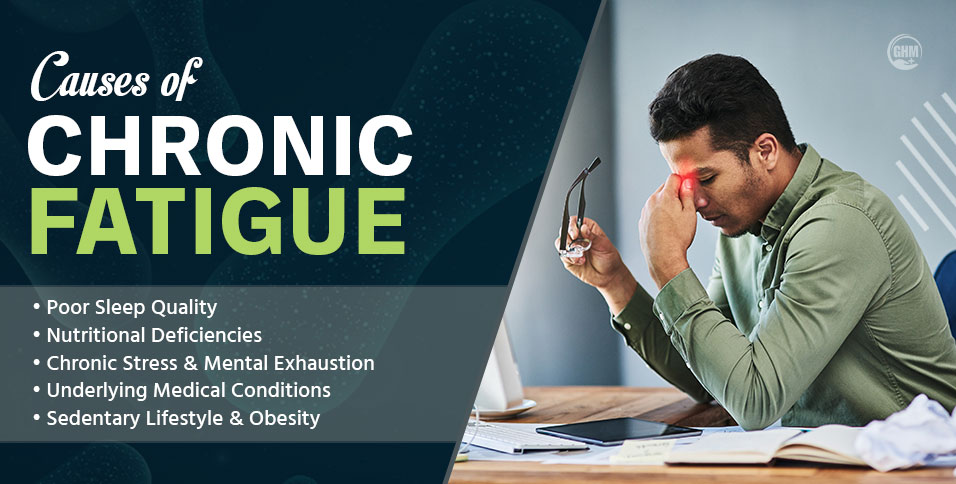
Do you wake up feeling like you never slept at all? Does a simple walk to the mailbox feel like a marathon? Many people agree that due to modern lifestyle patterns, persistent exhaustion has become a silent global epidemic. Well, this can be a sign of chronic fatigue, one of the most misunderstood or overlooked conditions.
Fortunately, understanding the reasons behind this constant burnout can help you improve your physical and mental health.
This guide explores the most common causes of chronic fatigue and how to manage them. We will see how a poor lifestyle, nutritional deficiencies, and certain medical conditions can be the causes of chronic fatigue.
What Is A Chronic Fatigue?
Chronic fatigue represents far more than the standard tiredness people feel after a long workday. Clinical professionals define it as a state of profound exhaustion that rest simply cannot resolve.
While everyday tiredness usually follows specific exertion and improves with a good night’s sleep, chronic fatigue persists for six months or longer. This condition often involves a systemic failure of the body to restore energy at a cellular level. It often manifests as muscle weakness, “brain fog,” and poor concentration.
In some cases, this leads to a diagnosis of Chronic Fatigue Syndrome (CFS), a complex condition affecting nearly 2.5 million Americans.
Chronic fatigue often disrupts the autonomic nervous system. Consequently, individuals experience lightheadedness, heart palpitations, and temperature sensitivity. These symptoms indicate that the body struggles to regulate its internal environment.
Furthermore, researchers estimate that nearly 84% to 91% of people with ME/CFS remain undiagnosed. This lack of recognition delays essential treatment and prolongs suffering.
10 Causes of Chronic Fatigue That Are Tiring Your Body
Many people experience ongoing low energy, poor concentration, and physical exhaustion without fully understanding the underlying causes of chronic fatigue. Knowing the reasons can make life easier.
1. Poor Sleep Quality and Sleep Disorders
The most obvious factor among the causes of chronic fatigue is inadequate or non-restorative sleep. Most adults require at least 7 hours of high-quality sleep per night for optimal health. During this time, the body releases growth hormones and repairs cells. However, nearly 4 in 10 individuals globally report receiving less than the recommended amount of rest and struggle with poor sleep.
Common disorders like insomnia and sleep apnea further disrupt the high-quality sleep. Sleep apnea causes repeated interruptions in breathing, causing you to wake up throughout the night.
The individual tries to stay awake the next day, but is physically drained due to a disturbance in sleep.
2. Nutritional Deficiencies
Even if you sleep eight hours, you may feel drained if your body lacks key nutrients.
A lack of specific vitamins and minerals can contribute to chronic fatigue. Your body relies on these nutrients to produce energy.
Iron deficiency anemia is a leading cause of exhaustion worldwide, affecting approximately 9.3% of the U.S. population. Without sufficient iron, the body cannot produce enough hemoglobin to transport oxygen to tissues.
Beyond iron, B-vitamins like B12, folate (B9), and pyridoxine (B6) are essential for energy metabolism. Furthermore, Vitamin D deficiency is linked to muscle weakness and persistent low energy, especially in individuals who spend most of their time indoors.
Correcting these gaps by focusing on nutrient-dense whole foods is often the first step toward recovery.
3. Chronic Stress and Mental Exhaustion
While some stress is normal, chronic stress triggers a state of constant “high alert”. This eventually leads to stress-related exhaustion disorder. Furthermore, prolonged stress can cause structural changes in the brain and lead to chronic inflammation. Many professionals now face burnout in the workplace, which saps both emotional and physical energy.
4. Excessive Caffeine Consumption
Coffee provides a temporary spark, but over-reliance creates a vicious cycle.
Caffeine is the most widely used stimulant in the world. While it can provide a temporary boost, over-reliance on it often backfires. Too much caffeine, especially late in the day, impairs your sleep cycle. Consequently, you wake up tired and consume more caffeine, worsening the problem.
To break this cycle, you should start a caffeine cutoff at least 8 to 10 hours before sleep. If you plan to sleep at 10 p.m., your last caffeinated drink should be no later than noon. Suddenly stopping caffeine can cause headaches and irritability, so a gradual reduction over three weeks is often more effective.
5. Dehydration
Your body requires water for almost every biochemical reaction. Dehydration leads to lower blood volume, which makes your heart work harder and decreases concentration. Even mild dehydration can cause physical exhaustion.
Symptoms of dehydration often mimic those of general fatigue, including headaches, dizziness, and poor concentration.
Maintaining hydration is a simple yet powerful way to fight fatigue. Drink approximately 2 liters of fluid daily, though needs vary based on weight and activity level. Drinking a glass of water immediately upon waking and after exercise can help maintain steady energy levels throughout the day.
6. Poor Diet
What you eat directly determines how you feel. Diets high in ultra-processed foods and added sugars are the primary causes of chronic fatigue. While a sugary snack provides a quick energy spike, it inevitably leads to a blood sugar crash. This roller coaster of insulin and glucose levels leaves the body feeling drained and lethargic. Furthermore, failing to consume enough calories or protein can trigger fatigue.
When the body lacks fuel, it breaks down fat and muscle tissue to meet metabolic demands. This process is inefficient and leads to a loss of muscle mass, which further reduces stamina.
Adopting a Mediterranean-style diet, rich in monounsaturated fats and whole grains, has been reported to help many individuals manage their symptoms.
7. Underlying Medical Conditions
Sometimes, fatigue is a warning sign of a hidden health issue. Common conditions include:
- Hypothyroidism: An underactive thyroid slows your metabolism. This condition affects millions and is often underdiagnosed. Individuals with hypothyroidism frequently report mental sluggishness and a total inability to lose weight.
- Diabetes: High blood sugar levels can be a cause of chronic tiredness. It can make the blood sluggish, interfering with oxygen delivery to cells.
- Fibromyalgia: This condition causes widespread pain and sensitivity, which disrupts REM sleep and leads to chronic unrest.
- Autoimmune Diseases: Conditions like lupus or rheumatoid arthritis cause the immune system to attack the body, leading to chronic inflammation.
8. Sedentary Lifestyle and Obesity
It may seem counterintuitive, but sitting too much can actually make you more tired. A sedentary lifestyle leads to muscle deconditioning, making physical tasks feel more difficult over time.
Regular physical activity, on the other hand, boosts energy levels by improving cardiovascular efficiency and increasing the production of mitochondria.
Obesity is also a major contributor to exhaustion. Carrying excess weight puts additional strain on the heart and joints. Furthermore, obesity is a primary risk factor for obstructive sleep apnea.
Gentle movement is often the best remedy for inactivity-induced fatigue. Even a 15-minute walk can provide an immediate energy boost. For those with chronic illnesses, working with a physical therapist to slowly increase movement can help the muscles become more efficient.
Movement also stimulates the release of endorphins, which act as natural mood and energy lifters.
9. Medications
Many commonly prescribed drugs have fatigue as a primary side effect. Medications that depress the central nervous system, such as blood pressure medications and antidepressants, can cause significant drowsiness, which can unintentionally reduce your overall energy.
10. Alcohol Consumption
Alcohol is another significant disruptor of energy. Although a glass of wine might help you fall asleep faster, it prevents you from reaching deep, restorative sleep stages. Consequently, you wake up feeling unrefreshed the next day. Chronic alcohol consumption can also interfere with the body’s methylation cycle and act as a toxin to the liver, further draining your vitality.
Smoking also contributes to the causes of chronic fatigue. Carbon monoxide in cigarette smoke reduces the amount of oxygen the blood can carry. Since the body needs oxygen combined with glucose to create energy, smokers often have lower physical stamina than non-smokers.
Common Symptoms of Chronic Fatigue
Recognizing the signs of chronic fatigue is the first step toward finding the cause. While exhaustion is the primary sign, it rarely occurs in isolation. Many people experience a “clustering” of symptoms that affect multiple systems in the body.
- Brain Fog: Difficulty concentrating, memory lapses, and a general feeling of mental cloudiness.
- Orthostatic Intolerance: Feeling light-headed or dizzy when moving from a sitting to a standing position.
- Muscle and Joint Pain: Widespread aches that are not caused by a specific injury.
- Sleep Disturbances: Waking up feeling tired or experiencing chronic insomnia.
- Physical Weakness: A significant reduction in the ability to perform tasks that were previously easy.
Other physical signs of chronic fatigue include tender lymph nodes, a frequent sore throat, and headaches that differ in pattern or severity from previous types. In severe cases, people may become housebound or even bedbound for long periods. These symptoms often fluctuate, leading to cycles where the person feels better, followed by a relapse.
When Should You See a Doctor?
If you have experienced low energy for several weeks with no relief, it is time to consult a healthcare professional. If exhaustion is accompanied by symptoms such as chest pain, unexplained weight loss, severe headaches, or severe shortness of breath, seek immediate diagnosis and care.
A doctor will typically perform a physical examination and order blood tests to rule out the causes of chronic fatigue and suggest treatment options such as exercise and supplements for everyday management.
Final Note
Chronic fatigue is a complex signal from your body that something is out of balance. It is rarely caused by just one factor. Instead, the causes of chronic fatigue often stem from a combination of lifestyle habits, nutritional gaps, and underlying medical issues. Early recognition is vital for improving your quality of life and preventing long-term disability.
As we observe World Chronic Fatigue Syndrome Awareness Day each May, we are reminded of the importance of empathy and continued research for those living with invisible illnesses. We encourage you to listen to your body, seek support, and take small steps to regain your spark.
Enjoyed this guide? Share it with a friend who needs an energy boost!
Frequently Asked Questions
1. Can supplements cure chronic fatigue?
No, supplements can not cure chronic fatigue. But they can fix a specific nutrient deficiency. Always test for deficiencies before starting a regimen.
2. How is CFS diagnosed if there is no test?
Doctors use a “diagnosis by exclusion” method. They rule out other conditions like thyroid issues or sleep apnea first.
3. Does exercise always help fatigue?
For most people, yes. However, for those with “Chronic Fatigue Syndrome”, vigorous exercise can actually be harmful. These individuals should use simple exercises to stay within their energy capacity.
4. Can children develop chronic fatigue?
Yes. While more common in adults, ME/CFS and fatigue related to Long COVID affect children and adolescents as well. Parents should watch for symptoms like school refusal or extreme tiredness after mild physical activity.
5. When is Chronic Fatigue Awareness Day?
International ME/CFS Awareness Day is held annually on May 12 to raise awareness, reduce stigma, and promote research for Myalgic Encephalomyelitis/Chronic Fatigue Syndrome (ME/CFS) and related conditions. Held on Florence Nightingale’s birthday, it highlights a debilitating, often misunderstood illness with no known cure.