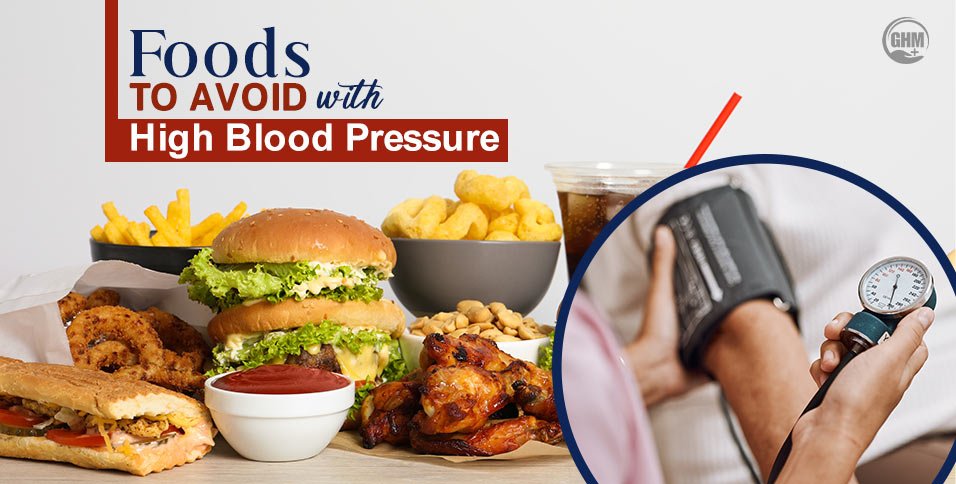
If your doctor has mentioned that your blood pressure is creeping up, you already know the drill: less salt, more vegetables, fewer takeaways. But some “healthy-sounding” snacks can be secretly working against you. Therefore, knowing exactly which foods to avoid with high blood pressure is a different challenge altogether.
It is not just you. About 37 million U.S. adults now live with uncontrolled high blood pressure, and most don’t feel a single symptom until it has already done damage. In this situation, diet is one of the few risk factors that can be changed and does not require any prescription.
This guide breaks down the foods to avoid with high blood pressure, explains the reason each one raises your BP rate, and shows you what to eat instead.
With the help of this guide, build a plate that supports the heart rather than working against it.
What Is High Blood Pressure?
Blood pressure is the force of blood pushing against the artery walls. When that pressure stays high for too long, the heart works harder than it should, and the arteries take the strain. Diet has an outsized effect on blood pressure, including sodium, saturated fat, added sugar, and ultra-processed food.
The American Heart Association recommends no more than 2,300 mg of sodium a day, ideally closer to 1,500 mg for most adults, yet the average person eats well beyond that.
10 Foods to Avoid With High Blood Pressure
The foods to avoid with high blood pressure mentioned below should not disappear from the hypertension diet plan. The goal is to limit them and understand the specific reason each one raises blood pressure, since the cause is more than just salt. Here are some to consider for healthy blood pressure.
1. Processed and Packaged Foods
Ready-to-eat meals, frozen dinners, and packaged snacks are convenient but are the worst foods for high blood pressure, because manufacturers load them with sodium and preservatives to extend shelf life. A single frozen dinner can use up half of the daily sodium budget.
2. Processed Meats
Processed meats such as bacon, sausages, ham, salami, hot dogs, and deli meats can raise blood pressure and lead to stiffer arteries over time. Processed meat foods are cured or smoked with salt and nitrates, which can be bad for cardiovascular health.
3. Salty Snacks
Salty snacks are among the top foods bad for blood pressure. Potato chips, salted nuts, pretzels, and crackers are easy to overeat in one sitting, which means the sodium adds up fast, often without us noticing. Instead, to prevent hypertension, opt for a low-sodium diet.
4. Fast Foods
Fast food like Burgers, fries, pizza, and fried chicken combine three problems at once: heavy salting, frying in unhealthy fats, and oversized portions, which together raise blood pressure more than any single ingredient would on its own.
5. Canned Foods
Canned soups, vegetables, and beans are the worst foods for high blood pressure, as they often use salt as a preservative. Two cans from the same shelf can have wildly different sodium counts but can contain a high rate of sodium. Always read labels before purchasing.
6. Pickles and High-Sodium Condiments
Pickles, soy sauce, ketchup, barbecue sauce, and salad dressings can enhance the taste of any dish but are foods to avoid with high blood pressure. A single tablespoon of soy sauce can carry close to 900 mg of sodium, adding it to the list of foods to limit with hypertension.
7. Sugary Drinks
Soft drinks, sweetened fruit juices, energy drinks, and sweetened iced tea raise blood pressure indirectly, through weight gain and insulin resistance, rather than through sodium.
8. Foods High in Fats
Foods high in saturated and trans fats, such as fried foods, bakery items, pastries, commercial desserts, and processed cheese, are one of the worst foods for high blood pressure. They contribute to artery stiffness and weight gain, making it harder for the heart to pump efficiently.
9. Excess Alcohol
Drinking alcohol beyond moderate limits is unhealthy, but it can also have a negative impact on high blood pressure diet. Alcohol raises blood pressure directly by affecting the hormones that regulate it. Alcohol consumption in moderation is always advised for people with high blood pressure.
10. Excess Caffeine (For Sensitive Individuals)
Regular consumption of caffeinated beverages, though not harmful, can be an obstacle to keeping healthy blood pressure. Coffee can cause a short-term spike in blood pressure in people who are sensitive to caffeine, though the effect varies a lot from person to person.
Foods That Support Healthy Blood Pressure Management
Avoiding the foods that raise blood pressure is half the task. Swapping them and filling the plate with the right and best foods for blood pressure is the most important part of the task. Add these to the high blood pressure diet,
- Fresh fruits, especially bananas, oranges, and berries, and leafy green vegetables like spinach and kale are rich in potassium. It helps the kidneys flush out excess sodium.
- Whole grains such as oats, brown rice, and quinoa contain fibre, which slows digestion and helps manage weight.
- Fatty fish like salmon and mackerel contain healthy omega-3 fats that reduce inflammation in the arteries in the form of animal-based protein.
- Unsalted nuts and seeds and legumes are rich in magnesium, which supports the relaxation of blood vessel walls.
Practical Tips to Reduce Blood Pressure Through Your Diet
- Read nutrition labels carefully, and compare sodium per serving, not per package.
- Choose products labelled low-sodium or no-salt-added.
- Cook more meals at home so you control what goes in.
- Limit restaurant and takeaway meals, where sodium is hardest to track.
- Watch portion sizes, even with healthy foods.
- Stay hydrated throughout the day.
- Plan healthy snacks in advance so salty options aren’t the easy default
Consult a healthcare professional before making significant dietary changes, especially if you’re on medication.
Final Words
Letting go of foods to avoid with high blood pressure and swapping them with healthy options does not have to be overnight. Limiting foods high in sodium, added sugar, and unhealthy fats is one of the most effective changes in diet that helps keep blood pressure in control.
Along with diet, keep monitoring blood pressure regularly, because symptoms often don’t appear until blood pressure is already high.
Diet changes don’t replace medical treatment. If you’re on medication, food choices work alongside it, not instead of it. Think of your plate as one more tool, not the whole toolbox.
Small, sustainable adjustments to your plate, paired with regular exercise, stress management, medication when prescribed, and routine check-ups, can make a significant difference over time.
Control your blood pressure with control over your diet.
(Disclaimer: This blog is for informational purposes only. Always consult a healthcare professional for personalised advice.)
Sanskruti Jadhav
Frequently Asked Questions
- What should I eat if my blood pressure is high?
If blood pressure is high, focus on eating whole, nutrient-dense foods rich in potassium, calcium, and magnesium, while strictly limiting salt and saturated fats.
- What drink reduces blood pressure?
Certain drinks, such as beetroot juice, green tea, and pomegranate juice, can naturally reduce blood pressure. These beverages are rich in antioxidants, nitrates, and minerals that help relax blood vessels and improve blood flow.
- Can lack of sleep raise blood pressure?
Yes. Lack of sleep can raise blood pressure. The less you sleep, the higher your blood pressure may go. People who sleep six hours or less may have steeper increases in blood pressure. If someone already has high blood pressure, not getting complete sleep worsens their blood pressure.