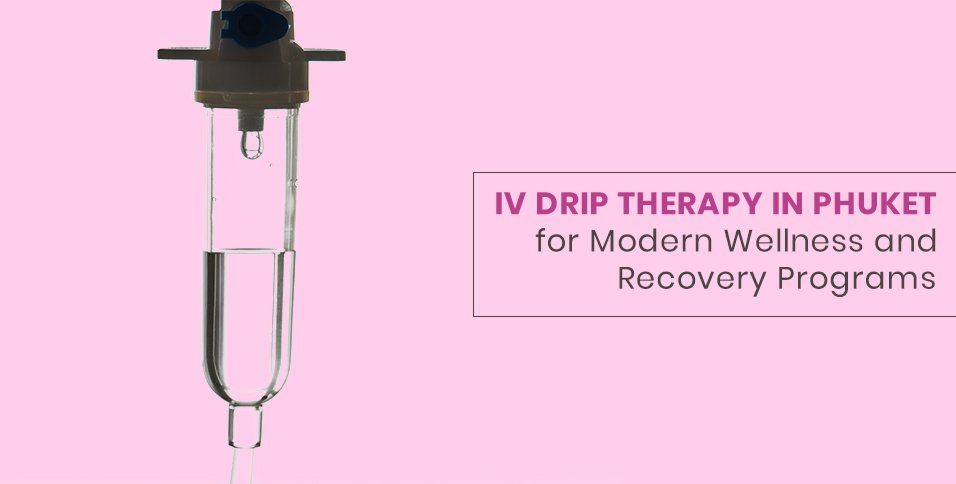
Modern wellness programs are becoming more personalized, medically supervised, and focused on recovery rather than simply relaxation. This shift is particularly visible in international wellness destinations, where travelers increasingly look for services that support hydration, energy, recovery, and overall health during demanding schedules or extended stays. Access to professionally administered IV drip therapy in Phuket reflects this broader trend, with intravenous treatments increasingly being incorporated into structured wellness and recovery programs alongside medical consultations, diagnostic services, fitness assessments, and other health-focused interventions.
Why IV Therapy Has Become Part of Modern Wellness
Intravenous therapy has been used in conventional healthcare for decades to deliver fluids, medications, electrolytes, and nutrients directly into the bloodstream. In clinical medicine, IV administration is especially useful when rapid fluid replacement is required or when oral intake is difficult or insufficient.
More recently, wellness providers have adapted IV therapy for broader uses related to hydration, recovery, and nutritional support. Depending on the treatment and individual circumstances, an infusion may contain fluids, electrolytes, vitamins, minerals, or other components selected for a specific purpose.
One reason IV therapy has attracted attention is its method of administration. Because the infusion enters the bloodstream directly, it bypasses the digestive process involved with oral supplements. This provides a practical delivery route in appropriate clinical situations.
However, IV therapy should not be seen as a universal substitute for healthy eating, adequate hydration, sleep, exercise, or oral supplementation when these approaches are sufficient. Its usefulness depends on individual circumstances, the formulation being administered, and whether there is a suitable clinical reason for choosing intravenous delivery.
Recovery Is Becoming a Bigger Part of Wellness Programs
Traditional wellness holidays were often centered around massage, spa treatments, meditation, and relaxation. Today, many programs take a more comprehensive approach to recovery.
Travelers may arrive after long-haul flights, demanding work schedules, intensive exercise, illness, or periods of inadequate rest. As a result, recovery programs may now incorporate medical assessments, laboratory testing, movement sessions, nutritional support, hydration strategies, and supervised treatments.
IV therapy can fit into this type of program when it is used as one element within a broader recovery strategy.
For example, dehydration can occur after prolonged travel, heat exposure, gastrointestinal illness, or strenuous physical activity. In medically appropriate circumstances, intravenous fluids provide a direct method of fluid and electrolyte replacement.
Recovery programs may also focus on identifying why someone feels tired or depleted rather than simply attempting to treat fatigue as a single symptom. Sleep disruption, nutritional deficiencies, illness, stress, dehydration, and demanding physical activity can all contribute to poor recovery.
This is where medical assessment becomes particularly valuable.
Medical Supervision Should Remain Central
The popularity of IV wellness treatments can sometimes create the impression that receiving an infusion is similar to having an ordinary wellness treatment. It is important to remember that IV administration is a medical procedure.
Insertion of an intravenous line can carry risks such as bruising, discomfort, irritation, infection, or complications related to improper placement. The ingredients within an infusion can also create potential problems depending on a person’s medical history, medications, allergies, kidney function, or other health factors.
For this reason, appropriate screening and professional administration are essential.
A healthcare professional may consider why the person is seeking treatment, whether symptoms require further assessment, what medications they currently take, and whether there are conditions that could make a particular infusion inappropriate.
Phuket Longevity Center states that its IV treatments are administered by an experienced nursing team in a supervised environment, with medical assessment recommended in some circumstances depending on health history and the type of therapy involved.
The importance of this clinical oversight extends beyond safety. It also helps prevent wellness treatments from being used in situations where conventional medical evaluation may be more appropriate.
IV Therapy and Travel Recovery
Tourism destinations have particular reasons for seeing demand for hydration and recovery services.
Long-haul travel can involve extended periods of sitting, irregular meals, limited sleep, changes in time zones, alcohol consumption, and insufficient fluid intake. Tropical destinations can add heat exposure and increased physical activity to that list.
Many travelers naturally feel tired after arrival. While basic strategies such as sleep, balanced meals, fluids, and gradual adjustment to the local time zone remain important, some people also seek professional support during the recovery period.
Hydration-focused IV therapy is one service increasingly offered in these environments. Some clinics provide electrolyte-containing infusions intended for individuals experiencing dehydration or travel-related fatigue.
Convenience is another factor influencing demand. Phuket Longevity Center, for example, offers certain hydration IV services both at its clinic and through hotel or villa visits. This type of delivery model reflects a wider trend toward making healthcare and wellness services more accessible to travelers.
Convenience should still be supported by proper clinical standards. Whether a treatment is delivered in a clinic, hotel, or private residence, professional administration, appropriate hygiene, and procedures for managing unexpected reactions remain essential.
Personalization Is Changing the IV Therapy Model
The broader healthcare industry is increasingly moving away from one-size-fits-all approaches, and wellness programs are following the same direction.
Rather than choosing a treatment based only on a menu description, a more responsible model begins with understanding the person’s health status, symptoms, lifestyle, and goals.
This can be particularly useful because common complaints such as fatigue can have many causes. Someone experiencing persistent tiredness may be dealing with poor sleep, dehydration, nutritional deficiency, infection, medication side effects, stress, or an underlying medical condition.
An infusion cannot automatically address all of these possibilities.
Clinical consultation and, where appropriate, diagnostic testing can help determine whether an IV treatment makes sense within a broader care plan.
At some wellness centers, IV therapy is therefore being integrated with blood testing, physician consultations, fitness assessments, nutrition, and other recovery services. This creates a more structured approach in which IV treatment becomes one possible tool rather than the entire wellness strategy.
Hydration and Recovery After Exercise
Another area where IV therapy has gained attention is physical recovery.
People participating in endurance events, intensive training, outdoor activities, or demanding fitness programs may experience fluid loss through sweating. In most cases, ordinary fluids, electrolytes, food, and rest are sufficient for recovery.
However, significant dehydration or an inability to adequately replace fluids orally may require medical assessment.
Wellness programs that include exercise should therefore focus first on sensible recovery principles such as adequate hydration, sleep, nutrition, and appropriate training volume. IV treatment should complement medically appropriate care rather than replace these foundations.
This distinction is especially important as wellness tourism increasingly overlaps with sports performance and executive health programs.
Evidence and Expectations Matter
The growing commercial popularity of vitamin IV infusions has sometimes been accompanied by broad claims about immunity, detoxification, anti-aging, energy, and general health.
Evidence supporting many of these claims in otherwise healthy individuals remains limited. Medical professionals therefore have an important role in helping patients maintain realistic expectations.
The strongest approach is one based on transparency. Patients should understand what an infusion contains, why it is being recommended, what benefits can reasonably be expected, and what potential risks or alternatives exist.
This allows IV therapy to remain within an evidence-aware healthcare framework rather than becoming simply another wellness trend.
Consumers should also be cautious about providers promising dramatic or guaranteed outcomes from a single infusion. Wellness and recovery are complex processes influenced by sleep, nutrition, physical activity, stress, medical conditions, and many other factors.
Choosing a Professional IV Therapy Provider
Anyone considering IV therapy should look beyond convenience or marketing when selecting a provider.
Important questions include who administers the infusion, whether medical supervision is available, whether health history is reviewed, how treatments are selected, and what procedures are followed if an adverse reaction occurs.
Patients should provide accurate information about existing conditions, allergies, prescription medications, and supplements before treatment. They should also feel comfortable asking what ingredients are contained in the infusion and why they have been recommended.
A responsible healthcare provider should be willing to explain when IV treatment is appropriate and when another approach may be more suitable.
The Future of IV Therapy in Wellness Programs
IV therapy is likely to remain visible within the growing medical wellness sector, especially in destinations that attract international travelers, executives, athletes, and people seeking structured recovery programs.
Its future may depend less on offering increasingly elaborate infusion menus and more on integrating treatment into personalized, professionally supervised healthcare.
The most credible wellness programs are moving toward a model that combines medical assessment, diagnostics, recovery planning, lifestyle support, and appropriate clinical interventions. Within this framework, IV therapy can serve a specific purpose rather than being presented as a solution for every health or wellness concern.
As medical wellness continues to evolve, patients are also becoming better informed about the importance of evidence, safety, and personalized treatment. That is likely to place greater value on providers that combine convenience and wellness experiences with responsible clinical standards.
For destinations such as Phuket, where international tourism and wellness services increasingly intersect, medically supervised IV therapy represents one example of this transition. When used appropriately and incorporated into a broader recovery plan, it can form part of a modern approach that places individual needs, professional oversight, and realistic health goals at the center of the wellness experience.