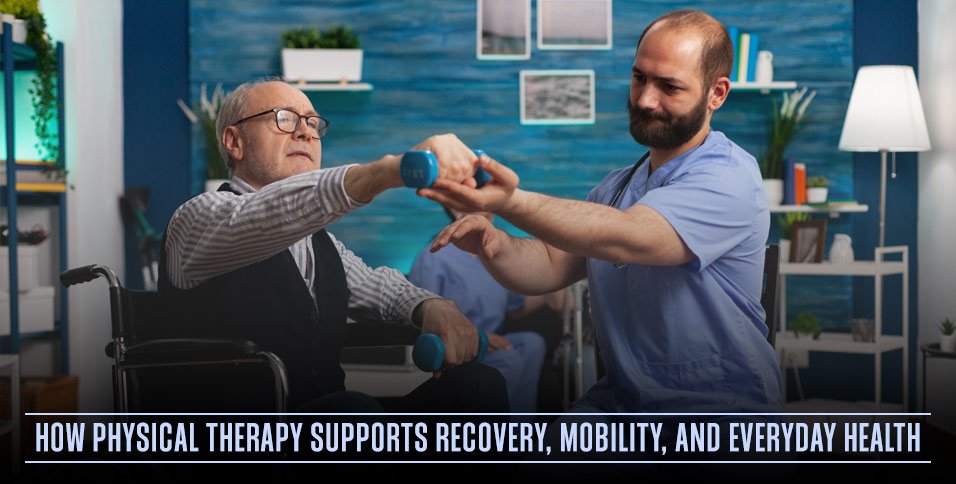
Physical therapy is often associated with recovering from an injury, but its role in healthcare is much broader. People may turn to rehabilitation when they are dealing with persistent pain, recovering from surgery, managing a workplace injury, or simply finding it harder to move comfortably.
What makes physical therapy different from a quick fix is its focus on function. Instead of looking only at where something hurts, a physiotherapist can examine movement, strength, flexibility, balance, posture, and other factors that may influence a person’s ability to perform everyday activities.
For people living in a busy city such as Toronto, maintaining mobility can make a meaningful difference in both work and personal life.
Movement Is Part of Overall Health
The human body is designed to move. Walking, climbing stairs, reaching for objects, sitting at a desk, lifting groceries, and participating in recreational activities all require coordinated movement.
When an injury or health condition changes that movement, people often compensate without realizing it. Someone with knee pain may shift their weight to one side. A person with shoulder discomfort may avoid certain movements. Over time, these adaptations can affect other parts of the body.
Physical therapy focuses on identifying these patterns and developing a structured approach to improving function.
Recovery Is Not Always About Rest
Rest can be useful immediately after certain injuries, but prolonged inactivity is not always the answer.
Depending on the condition, appropriate movement can help restore strength, flexibility, coordination, and confidence. A rehabilitation programme may begin with simple movements and gradually become more challenging as the person’s tolerance improves.
The pace should be individual. A professional assessment can help determine which activities are appropriate and which movements should temporarily be modified.
This is one reason people searching for physical therapists Toronto may benefit from looking beyond general treatment lists and considering how a clinic approaches assessment and long-term rehabilitation.
Personalized Treatment Makes a Difference
Two people can have similar symptoms but very different reasons for experiencing them.
For example, two office workers may both complain of lower-back pain. One may spend most of the day sitting with limited movement, while the other may have developed symptoms after lifting equipment or returning to exercise too quickly.
A good rehabilitation plan considers the individual’s lifestyle, work demands, previous injuries, goals, and current physical capacity.
Treatment may involve therapeutic exercise, manual techniques, mobility work, education, posture strategies, or other approaches depending on the assessment.
Physiotherapy Can Support Different Stages of Recovery
Physical therapy can be relevant at several points in a person’s healthcare journey.
After surgery, rehabilitation may focus on gradually restoring movement and strength. Following a sports injury, treatment may involve rebuilding stability and preparing for a safe return to activity. For people living with chronic conditions, therapy may focus on improving function and making everyday movement more manageable.
The objectives can therefore change over time.
Early treatment might focus on controlling symptoms and restoring basic movement. Later stages may involve strength, endurance, balance, or sport-specific activities.
Workplace Injuries Require a Practical Approach
Work-related injuries can create challenges beyond physical discomfort. An employee may be concerned about returning to work, completing normal responsibilities, or managing the administrative side of an injury claim.
Rehabilitation in these situations should consider the actual demands of the person’s job.
Someone who works at a computer may need strategies for sitting, posture, and repetitive movements. Someone working in construction or a warehouse may need to rebuild lifting capacity, balance, endurance, and safe movement patterns.
A treatment plan that understands the workplace environment can make rehabilitation more relevant to the person’s eventual return to normal duties.
Education Is Part of Rehabilitation
A patient who understands their condition is often better positioned to participate actively in recovery.
Physiotherapists can explain why certain movements are recommended, how exercises should be performed, and which habits may contribute to recurring symptoms.
This education can also help patients recognize when they are progressing appropriately and when they should discuss a new or worsening symptom with their healthcare provider.
Recovery does not happen only during a clinic appointment. What a person does between sessions can be equally important.
Strength and Mobility Work Together
Flexibility and strength are sometimes treated as separate goals, but healthy movement usually requires both.
A joint may have adequate range of motion but still lack the strength or control needed for a particular activity. Similarly, someone may have good strength but limited mobility that affects how they move.
A comprehensive rehabilitation programme can address these areas progressively.
Exercises may begin with controlled movements and develop toward functional tasks that resemble activities performed at home, work, or during exercise.
The Importance of Consistency
Rehabilitation rarely depends on one appointment.
Progress often requires repeated practice and gradual adaptation. This does not mean doing as much exercise as possible. Instead, consistency means following an appropriate programme at a level that supports recovery without unnecessarily aggravating symptoms.
Patients should communicate openly with their therapist about pain, fatigue, difficulties with exercises, and changes in their daily activities.
That information allows the treatment plan to be adjusted when necessary.
Looking Beyond Temporary Relief
Pain relief can be an important part of rehabilitation, but long-term recovery often involves more than reducing symptoms.
Improving movement habits, rebuilding strength, increasing confidence, and understanding how to manage physical demands can help people return to activities they value.
For some patients, that means getting back to work. For others, it may mean walking comfortably, returning to a favourite sport, caring for family, or simply moving through the day with less difficulty.
A More Active Approach to Health
Physical therapy is ultimately about helping people use their bodies more effectively.
Whether rehabilitation follows an injury, surgery, workplace incident, or a period of reduced activity, the goal is to create a practical path toward better movement and function.
With appropriate assessment, individualized treatment, patient education, and consistent participation, physiotherapy can become an important part of a broader approach to health.
The most useful rehabilitation plan is not necessarily the most complicated one. It is the one that makes sense for the individual, fits their daily life, and helps them gradually move toward the activities and responsibilities that matter most.