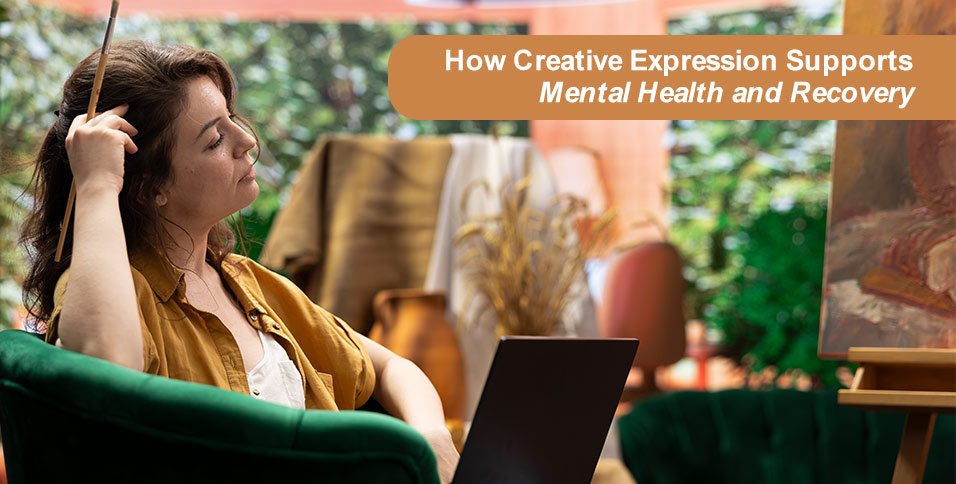
People have turned to creativity to make sense of their lives for thousands of years. Painting, music, dance, writing, and storytelling have long been ways to express joy, grief, fear, and hope. Today, many mental health professionals recognize that creative expression can also be a meaningful part of healing.
You do not need to be an artist to benefit. Creative activities can help people process emotions, reduce stress, and reconnect with parts of themselves that may have been overshadowed by anxiety, depression, trauma, or substance use.
Why Healing Often Needs More Than Words
Talk therapy is a powerful tool, but some experiences are hard to put into words. Painful memories, complicated emotions, or feelings that seem too big can be difficult to describe out loud. Creative approaches offer another way in. Many treatment programs now weave creative therapies into care alongside traditional counseling. A Los Angeles intensive outpatient program, for example, may pair individual and group therapy with art, music, or movement-based sessions, giving people several ways to explore what they are feeling while still living at home and keeping up with daily responsibilities.
These approaches are not meant to replace evidence-based therapy. Instead, they can deepen it, helping people reach insights that might be harder to access through conversation alone.
Recovery Involves the Whole Person
According to the Substance Abuse and Mental Health Services Administration (SAMHSA), recovery is supported by several key areas of life, including health, a stable home, a sense of purpose, and connection with community. Creative activities can touch each of these areas by supporting emotional health, building meaningful routines, and connecting people with others who share their interests.
This whole-person view is one reason creativity has found a natural place in many mental health and recovery settings.
How Creativity Can Help
Creative expression supports well-being in several ways.
Processing Emotions
Drawing, writing, or making music can give shape to feelings that are hard to name. Seeing emotions on a page or hearing them in a song can make them feel more manageable.
Reducing Stress
Many people find that creative activities help them relax. Focusing on colors, sounds, or movement can quiet racing thoughts and bring attention to the present moment.
Building Confidence
Finishing a project, however small, can create a sense of accomplishment. For people rebuilding their lives, this can be an important reminder of their abilities.
Strengthening Connection
Group creative activities, like a writing workshop or community mural, can create a sense of belonging and shared experience.
Discovering Identity
Creativity can help people explore who they are beyond their struggles. Many people in recovery find new passions that become a lasting part of their lives.
Types of Creative Therapy
Creative therapies are usually led by trained professionals who combine artistic practice with therapeutic goals.
Art Therapy
Art therapy uses drawing, painting, sculpture, and other visual arts to explore emotions and experiences. The focus is on the process, not on making something beautiful.
Music Therapy
Music therapy may involve listening, songwriting, singing, or playing instruments. Music can influence mood and help people express feelings that are hard to say.
Dance and Movement Therapy
This approach uses movement to connect the mind and body. It can be especially helpful for people who carry stress or trauma physically.
Drama and Expressive Therapy
Role-play, storytelling, and improvisation allow people to practice new ways of responding to situations and explore different perspectives in a safe setting.
Writing and Journaling
Writing exercises, poetry, and journaling can help people reflect, track progress, and organize their thoughts.
Bringing Creativity Into Everyday Life
You do not need a formal program to enjoy the benefits of creative expression. Simple practices at home can support mental health, too.
Ideas to try:
- Keep a journal and write for a few minutes each day
- Doodle, color, or sketch without worrying about the result
- Create a playlist that matches or lifts your mood
- Try a beginner class in painting, pottery, or dance
- Cook a new recipe and experiment with flavors
- Take photos of things that bring you peace or joy
- Join a community choir, theater group, or art club
The most important rule is to let go of perfection. The goal is expression, not a masterpiece.
Overcoming Common Hesitations
Many people avoid creative activities because they believe they are “not creative” or worry about being judged. These concerns are common, but they should not stand in the way. With practice, many people find that creative time becomes one of the most rewarding parts of their week.
When to Seek Additional Support
Creative expression can be a helpful coping tool, but it is not a substitute for professional care when someone is struggling. If anxiety, depression, trauma symptoms, or substance use are affecting daily life, it is important to reach out to a qualified provider.
Many treatment programs offer a combination of therapies, allowing people to benefit from both traditional counseling and creative approaches in a supportive environment.
Making Space for Creativity in Healing
Creativity offers a unique way to explore emotions, reduce stress, and rediscover a sense of purpose. Whether through art, music, movement, or writing, creative expression can help people connect with themselves and others in meaningful ways.
If you are on a path toward better mental health or recovery, consider making space for creativity. It may open doors to healing that words alone cannot reach.