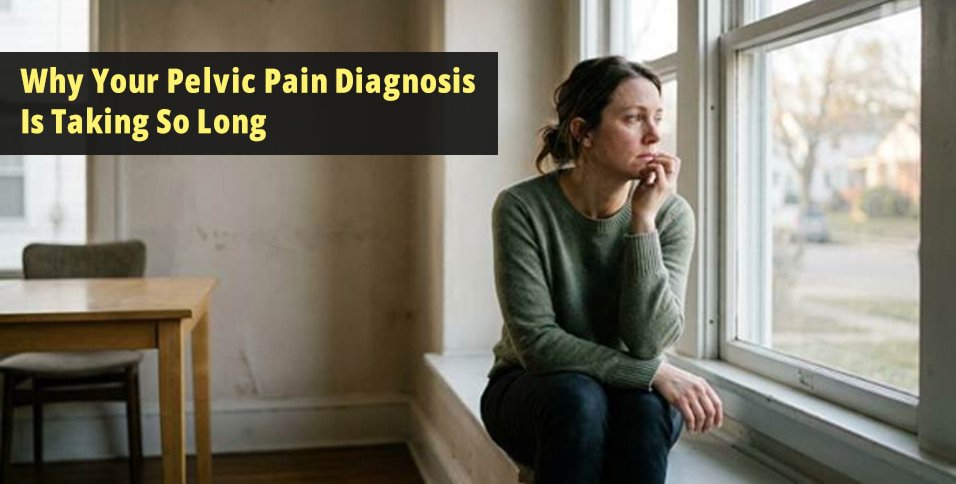
By a pelvic health industry contributor. If you’ve been told your long-lasting pelvic pain is “normal,” “just stress,” or something you have to live with, you are not alone. The search for a clear diagnosis can be frustrating and lonely. It often takes many doctor visits over several months or even years. This delay isn’t your fault; it’s a sign of a difficult medical problem. The symptoms can be unclear and look like other health issues, which makes it hard to find the real cause.
This is a big problem. One study estimates that 1 in 7 women of an age to have children reports pelvic pain lasting at least 6 months, according to the National Institute of Child Health and Human Development, NIH. Around the world, chronic pelvic pain affects an estimated 15% to 26% of women, per a review in the National Library of Medicine. The search for good treatment for pelvic pain irvine and elsewhere often starts with understanding one thing: pain that lasts a long time and gets in the way of your life is a real medical problem. It needs to be taken seriously, not ignored.
Many people are surprised to learn that their pain may not be a typical gynecological issue. Instead, it can be a vascular problem, related to the veins in the pelvis, or caused by non-cancerous growths like uterine fibroids. Understanding these possibilities is the first step toward finding the right specialist and the right treatment.
Quick answer: Chronic pelvic pain is medically defined as pain in the pelvic area that lasts more than six months. Its causes are often missed. They frequently come from vein problems like Pelvic Congestion Syndrome or growths like uterine fibroids. Newer tests and treatments that don’t require major surgery can now fix these root causes.
What’s inside
· What Defines “Chronic” Pelvic Pain?
· How Do I Find the Right Specialist for Pelvic Pain?
· How Can Veins and Fibroids Cause So Much Pain?
· Frequently Asked Questions About Pelvic Pain
What Defines “Chronic” Pelvic Pain?
The medical definition is clear: pain in the pelvic area that lasts for more than six months. This six-month mark is important. It’s how doctors tell the difference between short-term pain, which is a temporary signal of an injury or infection, and a long-term, or chronic, problem. According to a clinical review in the National Library of Medicine, pain lasting longer than six months often involves more complex issues and can greatly affect a person’s daily life.
The challenge is that the body’s alarm system has gotten stuck in the “on” position. The original cause might be gone, but the pain signals keep going. This long time frame is a key reason the search for answers can be so hard. Symptoms from different problems, like endometriosis, uterine fibroids, or pelvic vein disease, can feel very similar. A doctor might look into one possible cause, and when that treatment doesn’t work, time keeps passing.
This experience is very common. Chronic pelvic pain is a common problem, affecting an estimated 15% to 26% of women globally. The feeling of being ignored or not finding answers is something many people feel. Part of moving forward is learning how to describe your symptoms in a way that gives your doctor clearer clues.
❝ When speaking with a new doctor, try to do more than say “it hurts.” Instead, write down what the pain feels like. Is it a sharp, stabbing feeling or a dull, heavy ache? Does it get worse when you stand for a long time or sit down? Does it feel like pressure? These details can help a specialist tell the difference between a muscle, nerve, or vein problem.
In the end, the six-month mark is an important sign for you as a patient. If you have had pelvic pain for this long without a clear diagnosis or real relief, it is a good reason to get a second opinion or ask to see a specialist. It shows that the problem is not temporary and needs a deeper look into less common causes, like those related to the pelvic veins and other structures.
How Do I Find the Right Specialist for Pelvic Pain?
Finding the right specialist means looking for a doctor who is an expert in finding and treating the vein and structural causes of pelvic pain. This often needs different skills than a regular gynecologist has. Your search should focus on their training, the tools they use, and whether they work as a team. A doctor who only looks for gynecological causes may miss the real problem.
Start by looking at a potential specialist’s qualifications. For conditions like Pelvic Congestion Syndrome or uterine fibroids treated with embolization, you will likely work with an Interventional Radiologist (IR). An IR is a doctor who uses imaging tools like X-rays and ultrasound to guide treatments inside the body without major surgery. Make sure they are board-certified. According to the American Board of Radiology, certification in Interventional Radiology/Diagnostic Radiology shows the doctor has met high standards for training and expertise in this specific field.
Because different specialists have different roles, it helps to know who does what. Your main doctor or gynecologist is often the first stop, but finding the right diagnosis may take a team.
| Specialist Type | Primary Focus | Common Diagnostic Tools & Treatments |
| Gynecologist | Female reproductive system health. | Pelvic exams, Pap smears, ultrasound, hormonal treatments, hysterectomy. |
| Urogynecologist | Pelvic floor disorders, incontinence. | Physical therapy referrals, bladder function tests, surgical mesh procedures. |
| Interventional Radiologist | Vascular and structural issues. | MRI, CT, venography; minimally invasive procedures like embolization. |
| Pain Management | Symptom control and nerve function. | Nerve blocks, medication management, physical therapy coordination. |
When you meet with a potential specialist, their answers to your questions are more important than their title. A doctor who is serious about finding answers will welcome your questions.
❝ Ask a potential provider, “How much of your work focuses on diagnosing and treating chronic pelvic pain?” A specialist who often handles complex cases is more likely to see the small signs of vein issues or fibroids that a regular doctor might miss. Their experience leads to a better way of finding the problem and a better understanding of treatment results.
Here are a few key questions to guide your conversation:
1. What is your usual process for finding the cause of unexplained pelvic pain? Do you use advanced imaging like an MRV (Magnetic Resonance Venography) to check the pelvic veins?
2. Which treatment options do you offer for conditions like uterine fibroids or Pelvic Congestion Syndrome?
3. How do you work with other specialists, like my gynecologist or a physical therapist, to manage my overall care?
Finally, pay attention to how you are treated. It’s a bad sign if a doctor ignores your symptoms, rushes your appointment, or isn’t open about all the treatment choices, including both risks and benefits. The goal is to find a doctor who will listen and keep trying until you have a clear answer and a good plan.
How Can Veins and Fibroids Cause So Much Pain?
The pain from vein issues and uterine fibroids is not in your head; it comes from real physical pressure and swelling inside the crowded area in your pelvis. These conditions create symptoms for different physical and biological reasons that often can’t be seen on regular tests, which is why they can be so hard to find.
For Pelvic Congestion Syndrome (PCS), the main cause is that the veins are not working right. Think of it like varicose veins, but deep inside your pelvis. The veins that drain blood from the pelvic organs have tiny, one-way valves to keep blood flowing up toward the heart. When these valves fail, gravity makes blood flow backward and pool. This makes the veins swell with blood, putting pressure on nearby organs like the ovaries, uterus, and bladder. This pressure is what causes the typical dull, heavy, aching feeling. The pain often gets worse after long periods of standing or sitting and can be worse during or after sex, as these activities increase the amount of pooled blood.
Uterine fibroids, which are growths in the uterus that are not cancer, cause pain in a different way. It’s not the fibroid itself that hurts, but its effect on the area around it. This happens in three main ways:
4. Pressure from Size: A large fibroid or a group of smaller ones can physically press on other organs. A fibroid on the front of the uterus can press on the bladder, causing you to urinate often. One on the back can press on the rectum, causing constipation and lower back pain.
5. Breaking Down: Fibroids need a lot of blood to grow. If a fibroid grows too big for its blood supply, its center can start to break down. This can release things that cause swelling and sharp, focused pain.
6. Heavy Menstrual Bleeding: Fibroids inside the uterus can damage the uterine lining, leading to very heavy and long periods. The body’s effort to push out large blood clots causes severe cramping, which is a sharp pain on top of the long-term ache.
❝ Ask a potential provider what specific plan they use for taking medical images for unexplained pelvic pain. A standard pelvic ultrasound is a good start, but it can miss key details. For suspected vein issues, a transvaginal ultrasound with Doppler is very important. This lets the technician see blood flow in real-time, showing the backward blood flow that is a sign of Pelvic Congestion Syndrome, a detail a still image would completely miss.
Understanding these reasons is the first step toward a correct diagnosis. The symptoms are not just vague complaints but a direct result of physical pressure. Figuring out if the cause is pressure from bad veins or the size of a fibroid helps a specialist choose the right tests and, finally, the best, most targeted treatment.
Frequently Asked Questions About Pelvic Pain
What is a red flag for pelvic pain?
A sign of a medical emergency includes sudden, severe, and sharp pain, especially if it happens with a fever, feeling sick, or throwing up. However, for long-term pain, the red flags are different. Pain that lasts longer than six months, gets worse over time, or gets in the way of your work, sleep, or relationships is a clear signal that you need to see a specialist.
Can anxiety or stress make pelvic pain worse?
Yes, there is a direct physical connection. Long-term stress and anxiety can lead to tightening your pelvic floor muscles without realizing it. This condition, known as hypertonicity, can create its own pain or make existing pain from fibroids or pelvic congestion much worse. It becomes a cycle where pain causes stress, and stress makes the pain worse.
Is it normal for initial tests like an ultrasound to find nothing?
This is a very common and frustrating experience for many people. A standard pelvic ultrasound is great for many gynecological check-ups, but it can easily miss the signs of Pelvic Congestion Syndrome because it doesn’t usually measure the direction of blood flow in the veins. A “normal” result from a first test doesn’t mean the pain isn’t real; it often means a more specific test is needed.
Are there other common causes of pelvic pain besides fibroids and vein issues?
Absolutely. The pelvis is a complex area. Pain can also come from the muscles and bones (like pelvic floor muscle problems), the urinary system (interstitial cystitis), the digestive system (irritable bowel syndrome), or from nerve-related issues (pudendal neuralgia). A complete diagnosis involves checking for and ruling out these other possible causes.
What kind of doctor should I see first for pelvic pain?
Your gynecologist or main doctor is the right place to start for a first check-up. They can rule out common infections or simple gynecological problems. However, if your pain continues for several months without a clear diagnosis or good treatment, that is the right time to ask for a referral to a specialist, such as an interventional radiologist or a urogynecologist, who focuses on complex pelvic pain.
The Path Forward From Unexplained Pain
Dealing with long-term pelvic pain takes time and effort. If you take one thing away from this, let it be this: a “normal” result on a first test isn’t the end of the story when your symptoms continue. The pain you feel has a real, physical cause, whether it comes from vein pressure, the pressure from fibroids, or another issue. It’s okay to feel frustrated when tests don’t find an answer, but it should be seen as a sign that you need to look deeper, not to stop looking for a solution.
Your most powerful tool is speaking up for yourself with good information. Understanding that special imaging can show what standard tests miss helps you ask better questions of your doctors. By focusing on the how and why behind your symptoms, you can lead the discussion toward doctors who have the right tools to find the real cause. The right diagnosis is more than just a name for your pain; it is the most important first step to getting the right treatment and, finally, lasting relief.
About the author
The California Pelvic Pain Institute is a medical practice focused on finding and treating the vein and fibroid causes of chronic pelvic pain. Its team of interventional radiologists are experts in treatments that use imaging to guide them and don’t require major surgery to treat conditions like uterine fibroids and Pelvic Congestion Syndrome. Through treatments such as Uterine Fibroid Embolization, the institute provides care that focuses on the patient to provide long-term relief from symptoms and improve quality of life for women who have struggled to find answers.