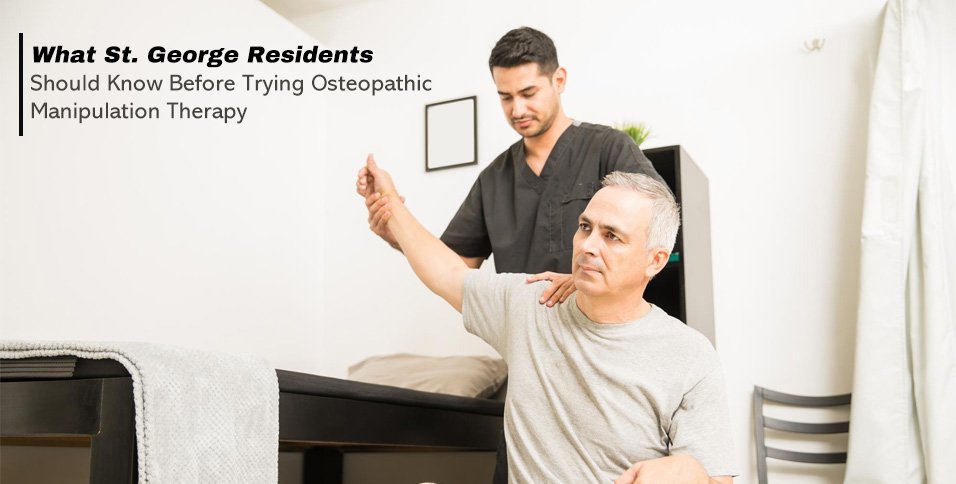
For St. George residents dealing with back pain, stiff joints, recurring headaches, or limited movement, osteopathic manipulation therapy may offer a hands-on option alongside conventional care. The treatment uses manual techniques to assess and address movement restrictions in the muscles, joints, and connective tissues.
That does not mean every ache calls for manipulation, or that one appointment will solve a long-standing problem. The best results usually come from understanding what the therapy involves, identifying the source of discomfort, and choosing care that fits the condition rather than chasing quick relief.
What Osteopathic Manipulation Therapy Involves
Osteopathic manipulation therapy is performed by a trained healthcare professional who uses hands-on techniques to move, stretch, or apply pressure to specific areas of the body. Depending on the patient’s needs, treatment may involve gentle mobilization, soft-tissue work, stretching, or other controlled techniques.
The goal is to improve mobility and support the body’s normal movement patterns. A session may focus on the area causing symptoms, but the provider may also examine nearby joints and muscles. For example, discomfort in the lower back can be influenced by hip mobility, posture, muscle tension, or how a person moves during work and exercise.
Before treatment, expect questions about your symptoms, medical history, previous injuries, medications, and daily activities. A careful evaluation matters because the same complaint can have different causes. A sore shoulder after gardening is not approached the same way as shoulder pain following a fall.
When Local Residents May Consider It
Residents may look for hands-on care after an injury, during recovery from repetitive strain, or when stiffness begins interfering with normal routines. St. George’s outdoor lifestyle can also create specific triggers. Hiking in Snow Canyon, playing golf, cycling, lifting equipment, or spending long periods working outdoors can place repeated stress on the back, knees, shoulders, and hips.
Seasonal changes may influence activity levels as well. A person who becomes more active during cooler months may notice soreness after increasing mileage or returning to sports. During the hotter parts of the year, reduced activity followed by a sudden return to exercise can create another cycle of stiffness and strain.
If you are researching local options, osteopathic manipulation therapy St George can help you find information about services available in the area. The next step should be a conversation with a qualified provider about whether the treatment matches your symptoms and health history.
Questions to Ask Before Your First Appointment
A short consultation can help you avoid mismatched expectations. Ask:
- What may be causing my symptoms?
- What techniques are likely to be used?
- How will you modify treatment for previous injuries or medical conditions?
- How many visits might be reasonable before reassessing progress?
- What should I do between appointments?
- What symptoms would require a different type of medical evaluation?
It is also reasonable to ask how progress will be measured. Improvement might mean greater range of motion, fewer headaches, easier walking, better sleep, or the ability to return to a specific activity. A measurable goal gives both you and the provider something concrete to evaluate.
Understanding Benefits, Limits, and Risks
Some people experience temporary soreness after treatment, similar to what can follow stretching or exercise. Providers should explain what is normal and what should prompt a call. Treatment should not be presented as a replacement for urgent medical care when symptoms suggest a serious injury or illness.
Cost is another practical consideration. Ask about appointment fees, insurance coverage, deductibles, and whether follow-up visits are recommended. A treatment plan should make sense medically and financially, especially if symptoms are chronic.
The most useful approach is collaborative. Osteopathic manipulation therapy may be one part of a broader plan that includes strengthening, mobility exercises, ergonomic changes, activity adjustments, or referral for additional evaluation. For St. George residents, the right decision is not simply whether to try hands-on care. It is whether the treatment is being used for a clear purpose, with realistic expectations and a way to track improvement.