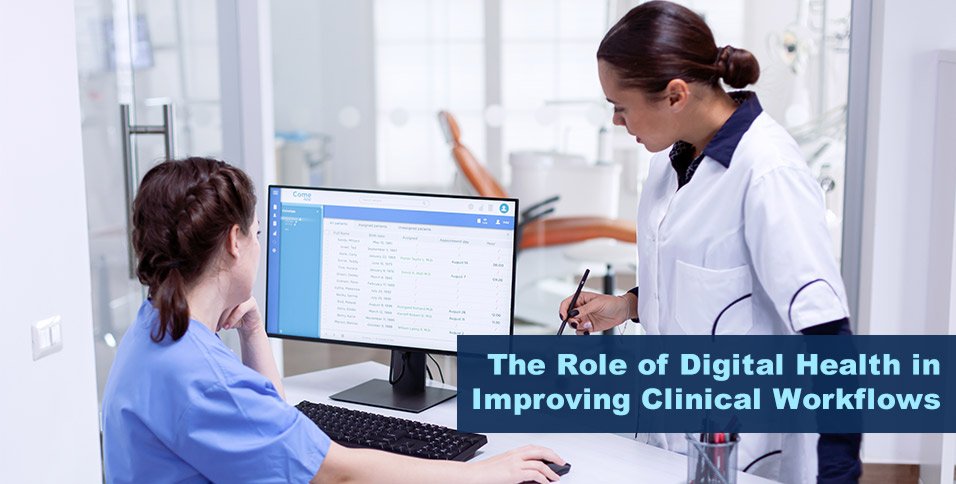
Clinicians have had enough of finishing charts at 9 p.m., hunting for half-remembered details, and wondering whether one rushed note will create a billing headache later. In 2026, documentation tools are no longer shiny extras. For many clinics, they’re becoming basic survival equipment. The point is not to replace clinical judgment. Please, no one wants that. The point is to clear away the clerical drag so you can focus on the person in front of you.
The State of AI Medical Documentation in 2026
The shift is moving quickly, but this isn’t just another tech trend with a fancy label. Practices want tools that can slide into a normal clinic day without turning the next three months into an implementation circus.
“Most (n = 7) were from the USA … All studies assessing effectiveness, patient‑centredness, and efficiency (n = 9, 6, and 5, respectively) reported improvements, including faster documentation, reduced administrative burden, and enhanced patient‑provider interaction.
For clinics comparing options, AI medical documentation is increasingly expected to feel practical, not like a giant software project. Freed, for example, is built around local clinics and includes AI scribing, coding suggestions, call support, and workflow customization designed for quicker adoption.
Market Trends and Adoption Rates
For small and midsize practices, medical documentation 2026 planning usually comes down to three things: speed, note quality, and staff relief. Clinicians also want specialty-specific language without being trapped inside stiff templates that make every visit sound the same.
Many systems now connect with digital medical records, summarize encounters, and suggest billing codes. The winners probably won’t be the loudest tools in the room. They’ll be the ones clinicians still use after the free trial ends.
Regulatory Changes Impacting Documentation
Regulators are paying closer attention to privacy, audit trails, and clinician review of AI-generated content. In other words, automation cannot be treated like a crockpot. You don’t just set it and forget it.
Practices should prepare for tighter expectations around access control, patient consent, and record accuracy. As adoption grows, the real question becomes simple: what improves for clinicians and patients during an ordinary Tuesday?
Benefits of Artificial Intelligence in Healthcare Documentation
The clearest argument for automation is time. Less typing. Fewer late-night charts. More attention on the patient. Of course, the value depends on whether the tool fits how your clinic actually works.
Faster, Cleaner Record-Keeping
Automated note-taking, ambient listening, and voice-to-text tools can turn a conversation into a draft note before the visit is even over. That matters because memory fades fast when you’re moving from room to room.
“Median daily documentation, after-hours, and total EHR time also decreased significantly by 6.89, 5.17, and 19.95 minutes/day, respectively.”
Better Patient Experience
Patients notice when you are looking at them instead of wrestling with a screen. Good systems create summaries, flag missing context, and keep the visit from becoming a typing performance.
The best use of artificial intelligence in healthcare is almost invisible. It helps the clinician listen better, not become less human.
Decision Support and Analytics
Documentation data can also help with care planning, follow-up reminders, and risk flags. Still, the clinician has to approve what lands in the chart.
Cleaner documentation only helps if it fits the workflow and avoids new risks. That’s where good habits matter.
Best Practices for Healthcare Documentation Automation in 2026
A smooth rollout starts before anyone hits “record.” Clinics need clear rules, short pilots, and honest feedback from the people who will use the tool every day.
Connect With Existing EHR Workflows
The right platform should work with your current EHR, not force your clinic to rebuild from scratch. Ask how notes export, how templates can be adjusted, and how corrections are tracked.
For small clinics, healthcare documentation automation should reduce clicks. If it adds yet another screen to babysit, staff confidence will disappear quickly.
Protect Privacy and Data
Use encryption, role-based access, and audit logs. Ask where data is stored, whether recordings are retained, and how patient consent is handled.
A useful rule of thumb: if a new staff member shouldn’t see certain records, the AI tool shouldn’t either.
Train Staff Without Overloading Them
Training works best when it is short, role-specific, and repeated after the first week. People learn faster once they have real questions from real visits.
Once the basics are clear, choosing a platform becomes much easier.
Tools and Platforms Shaping Digital Medical Records
New platforms are doing more than dictation. Many now combine scribing, coding, visit summaries, front-desk support, and patient context in one workflow.
Platform Comparison for Clinics
| Tool Type | Best Fit | Main Strength | Watch-Out |
| AI scribe | Busy exam rooms | Drafts visit notes quickly | Needs clinician review |
| Coding assistant | Billing-heavy clinics | Suggests ICD and CPT codes | Must match payer rules |
| AI receptionist | Small front desks | Handles calls and overflow | Needs clear escalation rules |
| Full clinic suite | Local practices | Combines notes, coding, and calls | Pricing clarity matters |
Wearables and Remote Monitoring
Wearables and home devices can add useful information to patient records. For chronic disease care, that may mean better trend tracking between appointments.
The challenge is deciding what belongs in the chart. Too much device data turns into clutter unless it is summarized in a clear, usable way.
Real-World Results and Adoption Challenges
Successful clinics usually start small. One specialty. One workflow. One measurable goal. Then they expand when the process feels steady.
Private Practice Wins
A small primary care office might start with scribing for routine visits. Within weeks, clinicians can compare note completion time, patient comments, and after-hours charting.
The emotional payoff is real, too. When people stop charting late at night, morale improves in a way spreadsheets never quite capture.
Hospital and Network Lessons
Larger groups tend to focus on consistency, coding quality, and reporting across sites. They also need stronger governance because more users create more variation.
Even strong results do not erase adoption friction. People still need time to trust the system.
Bias, Accuracy, and Change Fatigue
Staff may worry that AI will make mistakes, miss nuance, or create extra pressure. Those concerns are reasonable. That is exactly why human review remains essential.
Clinics should monitor note quality, track corrections, and check whether certain patient groups are described less accurately. Trust grows through review, not slogans.
Future Innovations for AI in Healthcare Documentation
The next wave will probably feel less obvious. Tools may listen in the background, draft notes, summarize records, and prepare follow-ups with less prompting.
Trends for 2027 and Beyond
Expect more conversational documentation, stronger specialty tuning, and better support for multilingual visits. Secure, tamper-resistant records may also receive more attention as audit needs increase.
Multi-modal notes could include audio, images, video snippets, and device data. That sounds powerful, but only if the final record stays readable.
Population Health and Global Use
Standardized records can help public health teams identify gaps and trends. In underserved areas, lighter documentation tools may help clinics stretch limited staff time.
Progress, though, depends on execution. Strategy is nice. A workable rollout is better.
Action Plan to Implement AI Medical Documentation
An effective rollout for AI medical documentation does not require a dramatic overhaul. Start with one workflow, measure what happens, and expand only when the results make sense.
Step-by-Step Rollout
Choose a vendor, run a pilot, collect feedback, and compare notes before and after adoption. Include clinicians, billers, and front-desk staff because documentation touches everyone.
Keep success metrics simple: faster notes, fewer late charts, cleaner coding, and smoother patient flow.
Continuous Improvement
Review performance monthly at first. Update templates, remove confusing prompts, and retrain staff when the tool changes.
Small adjustments matter. A tool that feels awkward in week one can become genuinely useful if the clinic keeps refining it.
Final Thoughts on Smarter Clinical Documentation
There is little doubt that AI medical documentation is changing how clinics handle notes, coding, records, and follow-up tasks. But the real value is not flashy automation. It is giving clinicians time back while keeping records accurate, secure, and useful.
The best tools support human judgment, fit existing workflows, and make patient visits feel more focused. If your practice is planning a next step, keep it simple: start small, measure honestly, and choose technology that makes care easier to deliver.
Common Questions About AI Medical Documentation
What are the biggest migration pitfalls?
The biggest mistakes are skipping a pilot, ignoring staff feedback, and trying to automate every visit type at once. Start narrow, review note quality often, and expand only when the workflow feels stable.
Can small practices afford these tools?
Many tools now target smaller clinics, so pricing can be more flexible than older enterprise systems. The real ROI comes from less after-hours charting, stronger coding support, and fewer workflow delays.
How do clinicians maintain trust?
Trust comes from review, transparency, and control. Clinicians should know what the tool changed, why a suggestion appeared, and how to edit or reject it before anything enters the chart.
Does AI remove the need for clinician review?
No. AI can draft, summarize, and suggest, but clinicians remain responsible for the final record. Human review is what keeps documentation safe, accurate, and clinically meaningful.