According to the American Academy of Pediatric Dentistry’s 2024 behavioral guidance report, dental anxiety affects approximately 15-20% of children and adolescents, with fear often developing as early as age three or four. What makes this particularly concerning isn’t just the immediate distress—it’s how early dental anxiety can establish patterns that persist into adulthood, creating a cycle where fearful parents raise fearful children. As pediatric dental practices increasingly recognize anxiety as a primary barrier to effective oral health care, the focus has shifted from simply managing anxious behavior during appointments to preventing fear from developing in the first place.
For parents, this represents both a challenge and an opportunity. The decisions made during a child’s earliest dental experiences—from choosing the right practice to modeling appropriate responses—can determine whether dental visits become routine health maintenance or sources of ongoing stress. Children who develop severe dental anxiety are more likely to avoid necessary care, experience more extensive dental problems, and carry those fears well into their adult lives. Understanding how anxiety develops, recognizing the signs early, and knowing which interventions actually work can help parents break this cycle before it begins.
Why Children Develop Dental Anxiety and Its Impact
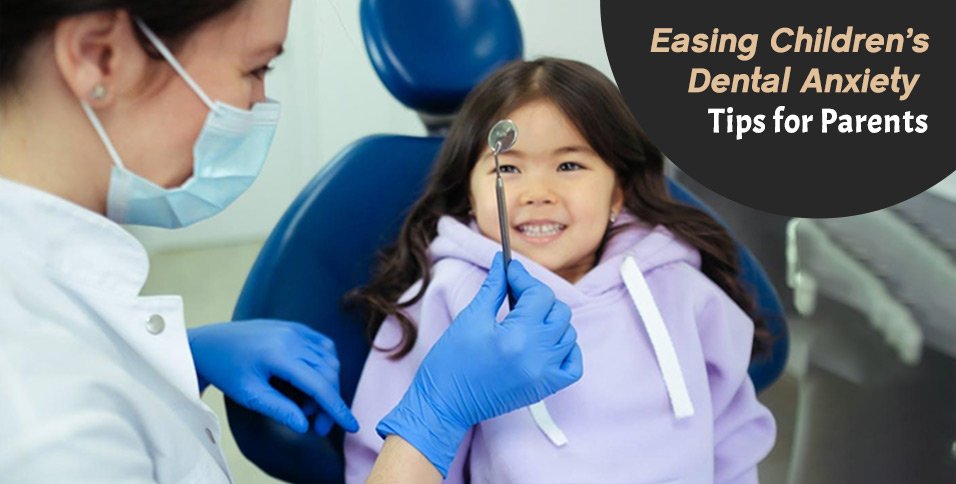
Children’s brains are wired to be cautious about new experiences, particularly those involving unfamiliar people, strange environments, and potential discomfort. The dental office presents a perfect storm of anxiety triggers: bright lights, unusual sounds, metallic instruments, and the vulnerability of lying back while someone works inside their mouth. Unlike other medical appointments where children might receive a quick examination, dental visits often require extended periods of cooperation in an inherently uncomfortable position.
Previous negative experiences play the most significant role in developing lasting dental fear. A child who experiences pain during a procedure, feels rushed or dismissed by staff, or witnesses a parent’s obvious anxiety can develop associations that make future visits increasingly difficult. Sometimes these “negative” experiences aren’t objectively traumatic—a child might simply feel overwhelmed by too much stimulation or confused by procedures they didn’t understand.
The signs of developing dental anxiety often appear well before the appointment itself. Parents might notice their child becoming withdrawn or upset when dental visits are mentioned, complaining of stomachaches on appointment days, or asking repeated questions about what will happen. During appointments, anxiety manifests as crying, refusing to open their mouth, trying to leave the dental chair, or becoming completely rigid and uncooperative.
The consequences extend far beyond temporary distress during appointments. Research consistently shows that children with high dental anxiety are more likely to develop cavities, require more extensive treatments, and experience complications during procedures due to poor cooperation. They’re also significantly more likely to cancel or avoid appointments entirely as they get older, creating a cycle where delayed care leads to more complex problems that require more invasive treatments—which further reinforces their fear.
Perhaps most importantly, childhood dental anxiety doesn’t typically resolve on its own. Studies tracking individuals over decades find that people who were highly anxious about dental care as children often remain so as adults, passing those fears to the next generation through their own anxious behaviors and avoidance patterns.
How Parents Influence Children’s Dental Anxiety and Comfort
Parents often underestimate how powerfully their own attitudes and behaviors shape their child’s dental experience—sometimes in ways that seem counterintuitive. A parent who experienced dental trauma years ago might think they’re being helpful by warning their child that “it might hurt a little” or promising rewards “if you’re brave.” In reality, these well-intentioned comments can plant the suggestion that bravery will be necessary and pain is likely.
Parental anxiety transfer happens through multiple channels. Children pick up on subtle cues: the tension in a parent’s voice when scheduling appointments, rushed explanations that focus on potential discomfort, or visible stress in the waiting room. Even parents who believe they’re hiding their own dental fears often communicate anxiety through their body language, choice of words, or the way they discuss dental health at home.
The language parents use when preparing children for dental visits carries enormous weight. Phrases like “don’t worry,” “it won’t hurt,” or “be brave” actually introduce concepts the child might not have considered. A child who wasn’t thinking about pain or bravery suddenly has these concerns front and center. Similarly, using dental visits as threats (“If you don’t brush your teeth, the dentist will have to drill them”) creates associations between dental care and punishment.
Modeling calm, positive attitudes proves far more effective than extensive explanations or reassurances. Parents who treat dental appointments as routine health maintenance—similar to haircuts or regular checkups—help children develop the same matter-of-fact approach. This means discussing upcoming visits briefly and positively, focusing on the benefits of clean, healthy teeth rather than potential procedures or discomfort.
The timing and method of preparation also matter significantly. Some children benefit from advance notice and simple explanations about what to expect, while others do better with minimal preparation to avoid extended worry periods. Parents who know their child’s temperament can adjust their approach accordingly—anxious children might need more preparation time and detailed explanations, while easily overwhelmed children often do better with brief, positive mentions closer to the appointment.
During appointments, parental presence can either calm or amplify anxiety depending on how it’s managed. Parents who remain calm, follow the dental team’s lead, and avoid interfering with procedures typically help their children feel more secure. However, parents who hover anxiously, negotiate with their child during procedures, or express their own discomfort can inadvertently increase their child’s distress.
Practical Strategies to Reduce Children’s Dental Anxiety
Effective anxiety reduction starts well before the dental visit itself. The foundation lies in helping children develop positive associations with dental health and building their confidence in unfamiliar medical situations. This process works best when parents understand both communication strategies that reduce fear and behavioral techniques that build cooperation.
Effective Communication Approaches with Children
The tell-show-do method remains the gold standard for introducing children to dental procedures, and parents can use modified versions at home. This involves explaining what will happen in simple, age-appropriate terms, demonstrating on a stuffed animal or doll, and then allowing the child to experience it themselves. For example, before a cleaning appointment, parents might count their child’s teeth, use a soft-bristled toothbrush to “tickle” each tooth, and let the child practice opening wide and rinsing with water.
Age-appropriate language makes an enormous difference in how children perceive dental procedures. Instead of clinical terms that might sound frightening, dental professionals and parents can use more familiar descriptions: the suction tool becomes a “tooth vacuum,” the dental mirror becomes a “tooth telescope,” and the water spray becomes a “tooth shower.” These substitutions help children understand what’s happening without introducing intimidating medical terminology.
Timing conversations appropriately prevents extended anxiety periods while ensuring children feel prepared. Most experts recommend discussing dental visits 1-2 days beforehand for younger children (ages 3-6) and up to a week ahead for older children who can handle more detailed explanations. The key is providing enough information to prevent surprises without giving anxious children too much time to build up fears.
Reading dental-themed children’s books or watching positive dental videos can help normalize the experience. Many pediatric dental offices have resources specifically designed to familiarize children with common sights and sounds they’ll encounter during visits. However, parents should preview any materials to ensure they focus on positive aspects rather than highlighting potential discomfort.
Behavioral Techniques and Environmental Factors
Distraction techniques prove remarkably effective during dental procedures. Many children respond well to listening to favorite music through headphones, watching movies on ceiling-mounted screens, or engaging in guided imagery exercises. Parents can work with dental offices to identify which distractions work best for their individual child—some prefer active engagement while others do better with calming, passive activities.
Positive reinforcement works better than bribery, though the distinction can be subtle. Rather than promising large rewards for “being good” (which implies that being scared is being bad), parents can acknowledge their child’s cooperation and effort afterward. This might involve praise for specific behaviors (“You did such a great job keeping your mouth open”) or small, predetermined rewards that aren’t contingent on perfect behavior.
Building familiarity reduces anxiety significantly. When possible, scheduling brief “get acquainted” visits where children can meet the dental team, sit in the dental chair, and explore the office without any procedures helps establish comfort. Many quality pediatric dental care options include these orientation visits as standard practice, recognizing that familiarity breeds cooperation rather than fear.
Environmental modifications in dental offices can make substantial differences in children’s comfort levels. Child-friendly waiting areas with appropriate toys and books, treatment rooms decorated with appealing themes, and staff trained in pediatric communication all contribute to more positive experiences. Parents should look for offices that clearly prioritize children’s emotional comfort alongside clinical excellence.
Breathing exercises and relaxation techniques can help children manage anxiety both before and during appointments. Simple techniques like “smell the flower, blow out the candle” (deep breath in through the nose, slow breath out through the mouth) give children concrete tools for managing nervous feelings. Parents can practice these at home during calm moments so children can access them when needed.
Psychological and Clinical Approaches to Manage Severe Anxiety
When standard comfort measures prove insufficient, evidence-based psychological interventions can help children overcome significant dental fear. These approaches typically work best when implemented consistently over time rather than as last-minute solutions during crisis appointments.
Cognitive-behavioral therapy (CBT) adapted for children focuses on helping them identify anxious thoughts about dental care and develop more realistic, helpful ways of thinking about the experience. A child who believes “the dentist will definitely hurt me” might learn to reframe this as “some people feel pressure or strange sensations, but the dentist wants to help keep my teeth healthy.” This process requires time and practice but can create lasting changes in how children approach dental care.
Systematic desensitization involves gradually exposing children to dental-related stimuli in a controlled, non-threatening way. This might begin with looking at pictures of dental offices, progress to visiting the office without treatment, then advance to sitting in the dental chair, and finally to brief, non-invasive procedures. Each step occurs only after the child feels comfortable with the previous level, allowing them to build confidence progressively.
Some children benefit from pharmacological interventions when anxiety reaches levels that prevent necessary care. Nitrous oxide (laughing gas) provides mild sedation while allowing children to remain conscious and responsive. Oral conscious sedation uses medications to help children relax deeply while still breathing independently. General anesthesia represents the most intensive option, typically reserved for extensive treatment in children with severe anxiety or special needs.
Professional therapy outside the dental office becomes necessary when dental anxiety significantly impacts a child’s daily life, causes persistent sleep problems, or prevents routine preventive care despite multiple attempts at standard comfort measures. Pediatric psychologists who specialize in medical anxiety can work with families to address underlying fears and develop comprehensive coping strategies.
The decision to pursue professional intervention often depends on the child’s age, the severity of required dental treatment, and how significantly anxiety impacts their overall well-being. Parents working with experienced pediatric dental teams can usually identify when standard comfort measures have reached their limits and additional support would benefit their child.
Some children respond well to alternative approaches like virtual reality headsets that immerse them in calming environments during procedures, while others benefit from progressive muscle relaxation training that gives them concrete tools for managing physical tension. The key lies in matching interventions to individual children’s needs, temperaments, and anxiety triggers rather than applying one-size-fits-all solutions.
The journey from dental anxiety to dental comfort rarely happens overnight, but the investment in helping children develop positive associations with dental care pays dividends throughout their lives. As pediatric dental practices continue refining their approaches to anxiety management, parents who understand both the emotional and practical aspects of their child’s dental experience become powerful allies in establishing lifelong patterns of confident, proactive oral health care.