According to the American Dental Association’s 2024 practice survey, cosmetic dental procedures now represent over 40% of general dentistry revenue — with veneers leading as the most requested treatment for smile makeovers. Yet behind that demand lies a pricing landscape that confuses many patients, with quotes ranging from $800 to $2,500 per tooth depending on factors most people don’t even know exist.
This price variation isn’t arbitrary marketing — it reflects genuine differences in materials, expertise, technology, and customization that directly impact both the immediate cost and long-term value of your investment. As dental technology advances and patient expectations for natural-looking results continue rising, understanding these cost drivers has become essential for making informed decisions about veneer treatment.
For anyone considering veneers, the difference between a well-informed choice and an expensive mistake often comes down to understanding what you’re actually paying for — and why those factors matter for your specific situation.
How Materials and Veneer Types Influence the Price
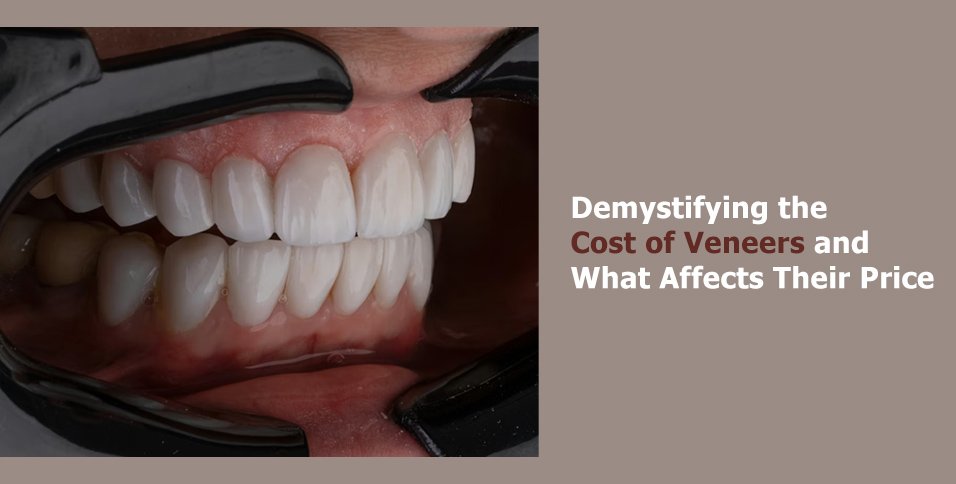
The material choice represents the single largest cost variable in veneer treatment, with price differences that can triple your total investment. Porcelain veneers typically range from $1,200 to $2,500 per tooth, while composite resin veneers cost between $400 and $1,200 per tooth — but this price gap reflects fundamental differences in durability, appearance, and manufacturing complexity.
Porcelain veneers require laboratory fabrication using high-grade ceramic materials that mimic natural tooth translucency and resist staining for 15-20 years. The manufacturing process involves multiple firing stages, color matching, and precision shaping that requires specialized equipment and skilled technicians. This laboratory work alone can account for $300-600 per veneer before you factor in the dentist’s fees or additional procedures.
Composite veneers, by contrast, use tooth-colored resin applied directly in the dental office during a single appointment. While the material cost is significantly lower — often under $100 per tooth — the results depend entirely on the dentist’s artistic skill and may require replacement within 5-7 years. Consider a patient needing eight front teeth veneers: porcelain might cost $12,000-16,000 upfront but last two decades, while composite at $4,000-6,000 could require complete replacement twice in the same timeframe.
Pressed ceramic and zirconia veneers represent emerging premium options, with costs often exceeding traditional porcelain by 20-30%. These materials offer superior strength and can be made thinner, requiring less tooth preparation — but they demand specialized equipment and training that not all practices possess, limiting availability and driving up costs in markets where they’re offered.
How Dentist Expertise and Lab Fees Affect Final Cost
Dentist Experience and Reputation Impact on Price
A cosmetic dentist’s experience level can add $500-1,000 per veneer to your total cost, but this premium reflects skills that directly impact your results and long-term satisfaction. Board-certified cosmetic dentists or those with advanced training in smile design typically charge 30-50% more than general dentists, but they bring expertise in color matching, proportion analysis, and complex case management that can make the difference between natural-looking results and obvious dental work.
Consider the technical precision required: veneers involve removing just 0.5-0.7 millimeters of tooth enamel — roughly the thickness of a fingernail. An experienced practitioner knows exactly how much to remove for optimal bonding while preserving tooth strength, whereas insufficient preparation leads to bulky-looking veneers and over-preparation can cause sensitivity or structural weakness. Geographic location amplifies these differences, with specialists in major metropolitan areas commanding premium fees that reflect both higher overhead costs and concentrated expertise.
The consultation and planning phase alone justifies much of this cost difference. Experienced cosmetic dentists typically spend 60-90 minutes on initial assessment, digital smile design, and treatment planning, compared to 20-30 minutes for routine procedures. This investment in planning time translates to fewer revisions, better color matches, and results that complement your facial features rather than looking artificially perfect.
The Role of Dental Lab Fees in Veneer Pricing
Laboratory fees represent 40-60% of your total veneer cost, with premium labs charging $400-800 per veneer compared to $150-300 for standard fabrication. These differences reflect fundamental variations in materials quality, fabrication technology, and customization capabilities that directly affect how your veneers look and function.
Master ceramists at high-end labs individually hand-layer each veneer, matching not just color but also the subtle translucency patterns and surface textures that make natural teeth unique. This artisanal approach can require 8-12 hours of work per veneer, compared to 2-3 hours for standard laboratory processing. The investment in time shows in the final result — premium lab work produces veneers that dental professionals often can’t identify as restorations.
Technology also drives lab cost variations. CAD/CAM milling systems, digital color matching, and advanced ceramic materials require significant equipment investments that labs pass through to dentists and ultimately patients. However, this technology enables precision that hand-fabrication cannot match, particularly for complex cases involving multiple veneers that must integrate seamlessly. When you’re investing in cosmetic dental treatments that will be visible every time you smile, the laboratory quality becomes a critical factor in long-term satisfaction with your investment.
How Case Complexity and Customization Change Veneer Cost
Number of Veneers and Condition of Teeth
The scope of your veneer treatment exponentially affects cost beyond simple per-tooth multiplication, with multiple-tooth cases requiring color integration and proportion balancing that single veneers don’t demand. Full smile makeovers involving 8-10 veneers often include volume discounts of 10-20%, but they also require additional planning time, temporary veneers, and precise color matching across multiple teeth that can add $1,000-3,000 to the total treatment cost.
Your existing tooth condition significantly impacts both complexity and cost. Healthy teeth with minor cosmetic issues require minimal preparation, while teeth with large fillings, previous dental work, or structural damage need additional procedures before veneer placement. A tooth with an existing crown might require crown removal and replacement, adding $800-1,500 to that single tooth’s treatment cost. Similarly, teeth with significant discoloration may need internal bleaching or special preparation techniques that increase both time and material costs.
Gum health and bite alignment also influence veneer complexity. Patients with gum disease require periodontal treatment before veneer placement, potentially adding months to the timeline and $500-2,000 in additional costs. Those with bite problems may need orthodontic consultation or occlusal adjustment to prevent veneer fractures — considerations that responsible practitioners factor into treatment planning but that can substantially increase the total investment.
Additional Procedures and Level of Customization
Veneer treatment often reveals the need for complementary procedures that weren’t apparent during initial consultation, with costs that can increase your total investment by 25-50%. Professional teeth whitening prior to veneer placement ensures optimal color matching for untreated teeth, adding $300-600 to treatment costs. Gum contouring to create ideal proportions can add $200-500 per tooth, while bone grafting for improved gum architecture in complex cases can cost $800-1,500 per area.
The level of smile customization you request directly impacts both time and cost. Digital smile design systems allow you to preview results and make modifications before treatment begins, but this service typically adds $300-800 to total costs. Custom shade matching for unusual tooth colors or specific aesthetic goals requires additional lab time and multiple try-in appointments that increase both laboratory fees and chair time charges.
Temporary veneers during the 2-3 week fabrication period represent another often-overlooked cost factor. High-quality temporaries that maintain your appearance and comfort during treatment can cost $100-200 per tooth, while basic temporary coverage might be included in treatment fees but offer limited aesthetics and durability. For patients with professional or social commitments during treatment, premium temporary solutions become a necessary investment in maintaining their appearance throughout the process.
How Regional and Market Factors Shape Veneer Pricing
Geographic location creates dramatic veneer cost variations that often surprise patients, with identical treatment potentially costing 60-80% more in major metropolitan areas compared to smaller cities. Manhattan or Beverly Hills practices routinely charge $2,000-3,500 per porcelain veneer, while equivalent treatment in smaller midwestern cities might cost $1,200-2,000 — differences that reflect real estate costs, staff salaries, and local market competition rather than quality variations.
International dental tourism has emerged as a significant factor in veneer pricing, with countries like Mexico, Turkey, and Thailand offering porcelain veneers for $300-800 per tooth — prices that seem attractive until you factor in travel costs, follow-up care limitations, and quality control challenges. While some international providers deliver excellent results, the lack of regulatory oversight and limited recourse for complications creates risks that may not justify the savings. The total cost calculation must include multiple trips for consultation, treatment, and adjustments, plus potential revision costs if results don’t meet expectations.
Local market saturation significantly influences pricing strategies. Areas with multiple cosmetic dentists often see competitive pricing and promotional offers, while regions with limited specialists can command premium fees. Economic factors also play a role — veneer demand tends to remain stable even during economic downturns in affluent areas, but practices in economically sensitive regions may offer financing options or seasonal promotions that effectively reduce treatment costs. Insurance coverage variations add another layer of complexity, with some plans offering partial coverage for veneers deemed medically necessary, though most cosmetic veneer treatment remains entirely out-of-pocket.
Understanding Long-Term Costs and the Cost-Benefit Balance
Veneer longevity calculations reveal that material choice and maintenance habits dramatically impact lifetime costs, often making premium options more economical over time. Porcelain veneers lasting 15-20 years with proper care cost roughly $60-125 per year per tooth when amortized, while composite veneers requiring replacement every 5-7 years can cost $80-200 annually despite lower upfront investment. This analysis assumes normal wear patterns and excludes replacement costs for accidental damage or lifestyle factors that accelerate wear.
Maintenance expenses often surprise veneer patients, with professional cleanings, periodic adjustments, and protective measures adding $200-500 annually to oral health costs. Night guards for teeth grinding — essential for protecting veneer investments — cost $300-800 initially and require periodic replacement. Professional maintenance becomes more critical with veneers than natural teeth, as chips or edge wear that might be minor issues with natural enamel can require complete veneer replacement.
The cost-benefit comparison with alternative treatments illuminates veneer value in specific situations. Orthodontics plus professional whitening might cost $4,000-8,000 and take 18-24 months to achieve results similar to veneers, but preserves natural tooth structure. Dental bonding offers similar aesthetic improvements for $300-600 per tooth but requires more frequent maintenance. For patients with multiple cosmetic concerns — discoloration, chips, spacing, and minor alignment issues — veneers can address all problems simultaneously, making them cost-effective despite higher upfront investment.
The psychological and professional benefits of improved smile confidence resist easy quantification but represent real value for many patients. Career advancement, social confidence, and personal satisfaction from smile improvement often justify veneer costs that seem excessive from a purely functional perspective, particularly when spread across the decades these restorations can last.
Rather than focusing solely on initial price quotes, the smartest veneer investment strategy involves evaluating total lifetime costs against your specific aesthetic goals and oral health needs. The dentist who charges premium fees but delivers 20-year results often provides better value than budget options requiring replacement or revision within five years.