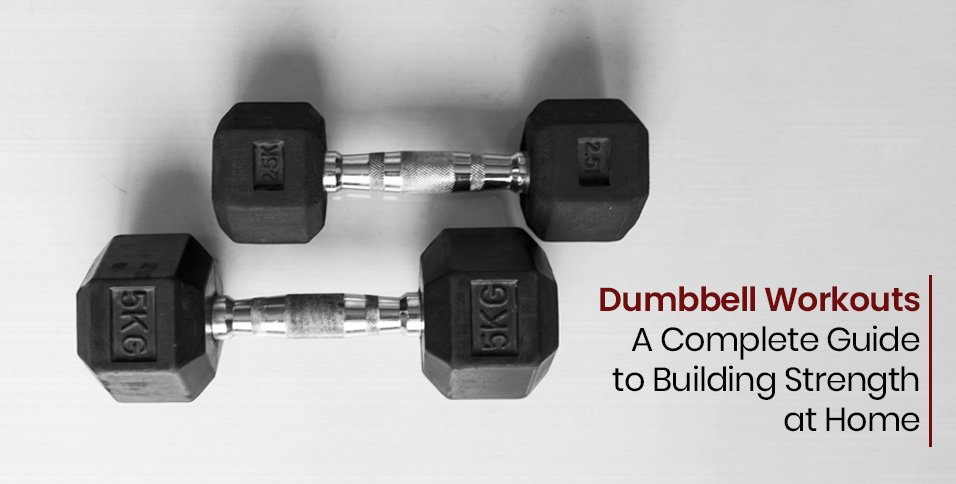
Over the past decade, home fitness has evolved from a niche pursuit into a mainstream movement, with dumbbell training emerging as one of its most effective cornerstones. Unlike bulky machines or complex equipment, dumbbells offer a straightforward path to building strength, improving muscle tone, and enhancing overall fitness—all within the confines of your living room or garage.
The appeal is clear: dumbbells are affordable, space-efficient, and remarkably versatile. With just a single pair, you can target every major muscle group, from your legs and core to your shoulders and arms. Whether you’re a beginner looking to establish a foundation or an experienced lifter seeking to refine your routine, dumbbell training adapts to your needs.
This guide explores the science-backed benefits of dumbbell workouts, outlines practical routines for different time constraints, and provides actionable strategies to help you maximize results. From quick 20-minute sessions to comprehensive full-body circuits, we’ll cover everything you need to build a sustainable, effective home training program.
Why Dumbbell Training Works
Dumbbells have earned their place in strength training for good reason. Free-weight exercises activate more muscle fibers than machine-based movements, leading to greater functional strength gains. You can learn more from this detailed article.
The key advantages include:
- Unilateral Training: Working one side of your body at a time helps identify and correct muscle imbalances that often go unnoticed with barbells or machines.
- Core Engagement: Unlike fixed machines, dumbbells require constant stabilization, which activates your core muscles throughout each movement.
- Natural Movement Patterns: Dumbbells allow your joints to move through their natural range of motion, reducing stress and lowering injury risk.
- Progressive Overload: With incremental weight increases, you can systematically challenge your muscles and drive continuous adaptation.
Beyond muscle building, dumbbell training offers metabolic benefits. Resistance training increases resting metabolic rate, meaning you burn more calories even when you’re not exercising. This makes dumbbells an efficient tool for both strength development and weight management.
Building a Total Body Dumbbell Routine
A well-designed total body workout targets all major muscle groups in a single session, making it ideal for those with limited training time. This approach, sometimes called “full-body training,” has been shown to be particularly effective for beginners and intermediate lifters looking to build balanced strength.
Here’s a comprehensive routine you can perform two to three times per week:
- Goblet Squats: 3 sets of 12 reps – Hold a single dumbbell vertically at chest height. This variation emphasizes proper squat mechanics while targeting quads, glutes, and core.
- Romanian Deadlifts: 3 sets of 10 reps – Focus on the hip hinge pattern to engage hamstrings, glutes, and lower back.
- Chest Press (Floor or Bench): 3 sets of 10 reps – Develops chest, shoulders, and triceps. If you lack a bench, the floor press is an effective alternative.
- Single-Arm Rows: 3 sets of 12 reps per side – Builds upper back strength and improves posture.
- Overhead Press: 3 sets of 10 reps – Strengthens shoulders and triceps while challenging core stability.
- Reverse Lunges: 3 sets of 10 reps per leg – Targets quads, hamstrings, and glutes with less knee stress than forward lunges.
- Renegade Rows: 3 sets of 8 reps per side – Combines plank stability with rowing movement for comprehensive core and back engagement.
- Bicep Curls: 3 sets of 12 reps – Isolates the biceps for arm development.
- Overhead Tricep Extensions: 3 sets of 10 reps – Targets the triceps, which make up roughly two-thirds of your upper arm mass.
Rest 60-90 seconds between sets, and focus on controlled movement rather than speed.
The 20-Minute Express Workout
Time constraints shouldn’t derail your fitness goals. A focused 20-minute session can deliver significant results when structured properly. The key is minimizing rest periods and choosing compound movements that work multiple muscle groups simultaneously.
This efficient routine from Dumbbells.com maximizes your training time:
- Dynamic Warm-Up (2 minutes): Arm circles, leg swings, and bodyweight squats to prepare your joints and elevate heart rate.
- Dumbbell Thrusters (3 minutes): Combine a front squat with an overhead press. Perform 12-15 reps, rest 30 seconds, repeat. This full-body movement elevates heart rate while building strength.
- Push-Up to Row (3 minutes): Place dumbbells on the floor, perform a push-up, then row each dumbbell alternately. Complete 8-10 reps per side, rest 30 seconds, repeat.
- Walking Lunges (3 minutes): Hold dumbbells at your sides and lunge forward continuously. Aim for 10-12 reps per leg, rest 30 seconds, repeat.
- Bent-Over Rows (3 minutes): Hinge at the hips and pull both dumbbells to your ribcage. Perform 12-15 reps, rest 30 seconds, repeat.
- Russian Twists (3 minutes): Sit with knees bent, holding one dumbbell. Rotate your torso side to side for 20 total reps, rest 30 seconds, repeat.
- Cool-Down Stretches (3 minutes): Focus on major muscle groups worked—quads, hamstrings, chest, shoulders, and back.
The beauty of this format is its scalability. Adjust the dumbbell weight to match your current fitness level, and increase resistance as you grow stronger. Even with limited time, consistency with this routine can yield measurable improvements in both strength and cardiovascular fitness.
Circuit Training for Endurance and Power
Circuit training combines strength work with cardiovascular conditioning by moving quickly between exercises with minimal rest. This approach has been validated by research showing it can improve both muscular endurance and aerobic capacity simultaneously.
Here’s an effective dumbbell circuit structure:
- Dumbbell Deadlifts (45 seconds): Stand with feet hip-width apart, dumbbells at your sides. Hinge at the hips, lower the weights along your shins, then drive through your heels to stand.
- Arnold Press (45 seconds): Start with dumbbells at shoulder height, palms facing you. As you press overhead, rotate your palms forward. This variation hits all three deltoid heads.
- Goblet Squats (45 seconds): Hold one dumbbell vertically at chest height and perform deep squats, keeping your torso upright.
- Bent-Over Rows (45 seconds): Hinge forward and pull both dumbbells to your lower ribs, squeezing your shoulder blades together.
- Floor Press (45 seconds): Lie on your back and press dumbbells from chest level to full arm extension.
- Plank Rows (45 seconds): Hold a plank position with hands on dumbbells. Row one weight to your hip while maintaining a stable core, then alternate sides.
Complete all six exercises with 15 seconds of rest between each. After finishing the circuit, rest for 90-120 seconds, then repeat for 3-4 total rounds. This format typically takes 20-25 minutes and provides an excellent cardiovascular challenge alongside strength development.
Designing Your Complete Training Program
A sustainable dumbbell program requires more than just knowing which exercises to perform. Success depends on understanding progressive overload, recovery, and nutrition—the three pillars of any effective strength training regimen.
Progressive Overload Strategies:
- Increase weight by 2.5-5 pounds when you can complete all prescribed reps with good form
- Add one additional rep per set each week
- Decrease rest periods between sets by 10-15 seconds
- Increase training volume by adding an extra set to key exercises
Recovery Considerations:
- Allow 48 hours between training the same muscle groups
- Prioritize 7-9 hours of sleep for optimal muscle repair
- Include at least one complete rest day per week
- Consider active recovery activities like walking or yoga on off days
Nutritional Support:
- Consume 0.7-1 gram of protein per pound of body weight daily
- Time protein intake around your workouts for enhanced recovery
- Maintain adequate carbohydrate intake to fuel training sessions
- Stay hydrated—aim for half your body weight in ounces of water daily
For those specifically focused on muscle growth, research suggests that combining resistance training with adequate protein intake produces the best results. The key is consistency over time rather than perfection in any single workout.
Common Mistakes and How to Avoid Them
Even experienced lifters can fall into counterproductive patterns. Here are the most frequent errors and their solutions:
Using Momentum Instead of Muscle: Swinging weights or using jerky movements reduces muscle tension and increases injury risk. Focus on controlled, deliberate repetitions with a 2-second lowering phase and 1-second lifting phase.
Neglecting Unilateral Work: Always training both sides simultaneously can mask strength imbalances. Incorporate single-arm and single-leg variations to identify and address weaknesses.
Skipping Warm-Ups: Jumping straight into heavy lifting without preparation limits performance and raises injury risk. Spend 5-10 minutes on dynamic stretches and light cardio before each session.
Training to Failure Every Set: While occasional high-intensity sets have value, consistently training to complete muscle failure can impair recovery and increase injury risk. Leave 1-2 reps “in the tank” on most sets.
Ignoring Exercise Variety: Performing the same routine indefinitely leads to plateaus. Rotate exercises every 4-6 weeks to provide new stimuli and maintain progress.
Moving Forward with Your Training
Dumbbell training offers a practical, effective path to building strength and improving fitness without requiring expensive equipment or gym memberships. The routines outlined here provide a solid foundation, but the real key to success lies in consistent application over months and years.
Start with weights that challenge you while allowing proper form. Track your workouts in a simple notebook or app, recording weights, sets, and reps. This data becomes invaluable for making informed decisions about when to increase resistance or volume.
Remember that fitness is a long-term pursuit, not a sprint. Small, sustainable improvements compound over time into significant transformations. Whether you have 20 minutes or an hour, whether you’re training for strength, muscle gain, or general health, dumbbells provide the versatility to meet your goals.
The best workout is the one you’ll actually do consistently. Choose a routine that fits your schedule, start with manageable weights, and commit to showing up regularly. The results will follow.