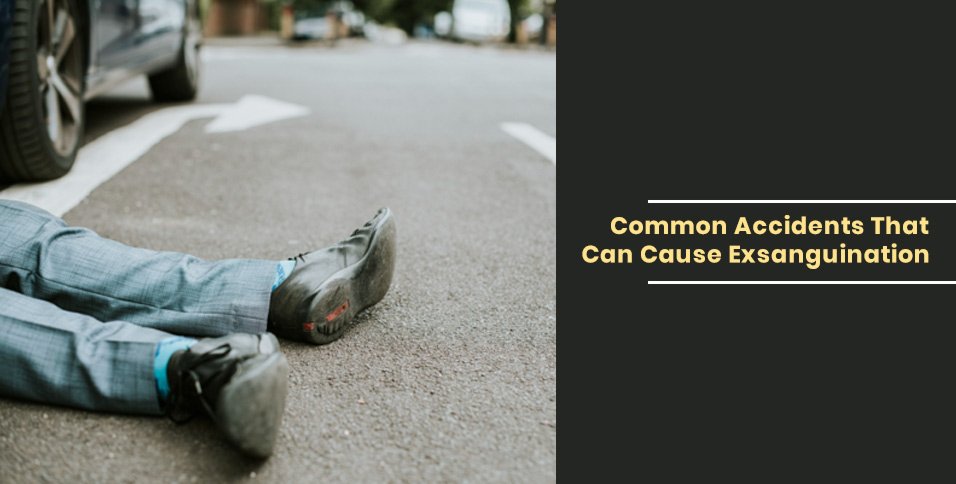
Exsanguination is a life-threatening condition involving severe blood loss, and accidents involving major trauma can cause it within a short period. Motor vehicle crashes, workplace incidents, serious falls, and penetrating injuries are among the accidents that can result in catastrophic bleeding.
Because severe blood loss can quickly become fatal, immediate emergency medical treatment is critical. Understanding the types of accidents that may cause exsanguination highlights the importance of recognizing severe bleeding and responding quickly.
Motor Vehicle Accidents
Car, truck, and motorcycle crashes can generate tremendous forces, particularly during high-impact collisions. A person may suffer deep lacerations, crushing injuries, or damage to major blood vessels.
Internal bleeding can be especially dangerous because there may be little or no visible blood. Symptoms such as weakness, dizziness, confusion, pale or clammy skin, rapid breathing, or loss of consciousness can indicate a serious emergency.
Workplace and Construction Accidents
Construction sites, manufacturing facilities, and other industrial workplaces may involve heavy machinery, sharp equipment, power tools, and other hazards.
A worker caught in machinery or struck by equipment can suffer severe injuries involving blood vessels or internal organs. Employers are generally required to follow applicable workplace safety requirements designed to reduce these risks.
For example, 29 U.S.C. § 654, part of the federal Occupational Safety and Health Act, establishes general workplace safety duties for covered employers. Safety failures that contribute to catastrophic injuries may therefore have both legal and practical consequences.
Severe Falls
Falls from significant heights can cause multiple traumatic injuries. A person may suffer deep wounds, fractures, organ damage, or other injuries that result in significant blood loss.
Construction workers, maintenance employees, and people working at elevated locations can face increased fall risks when appropriate safeguards are not used.
Penetrating Injuries
Severe penetrating injuries can damage arteries, veins, or internal organs and cause rapid blood loss. These injuries may occur during workplace accidents involving sharp machinery or tools.
Regardless of how the injury occurs, uncontrolled bleeding requires immediate medical attention.
Crush Injuries
Crush accidents can happen when a person becomes trapped beneath heavy equipment, materials, vehicles, or other objects. These incidents can damage tissue and blood vessels and may result in extensive internal injuries.
Emergency responders should be contacted immediately when someone experiences a serious crush injury.
How Severe Bleeding Should Be Handled
When a person experiences severe external bleeding, emergency medical services should be contacted without delay. If it is safe to provide first aid, firm direct pressure may help control bleeding until professional assistance arrives.
People should not attempt to move someone unnecessarily after major trauma, particularly when a spinal injury may also be present.
Legal Considerations After a Serious Accident
When catastrophic bleeding results from another person’s negligence, the injured person or surviving family members may have potential legal options. The specific claim depends on the circumstances and applicable law.
Evidence such as accident reports, photographs, medical records, witness statements, employment records, and safety documentation may help establish what happened and who may be responsible.
Why Prompt Medical Treatment Matters
Severe blood loss can prevent the body from delivering enough oxygen to vital organs. Without rapid treatment, shock and organ failure can occur.
Emergency medical teams may use specialized bleeding-control techniques, intravenous treatment, blood products, surgery, or other interventions depending on the injury.
Key Takeaways
- Exsanguination involves potentially fatal blood loss.
- Vehicle crashes can cause severe external or internal bleeding.
- Workplace accidents involving machinery can result in catastrophic injuries.
- Falls, crush incidents, and penetrating injuries can damage major blood vessels.
- Severe bleeding requires immediate emergency medical attention.
- Accident reports and medical records may be important when determining legal responsibility.