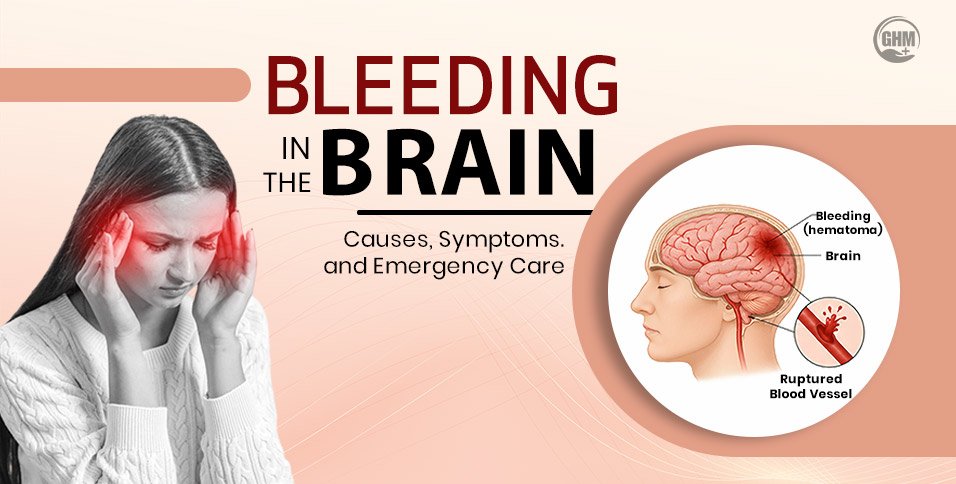
Bleeding in the brain is a serious medical emergency that demands immediate attention. Also known as a brain bleed, brain hemorrhage, or intracranial hemorrhage, accounts for about 10% to 20% of all strokes in the world.
Bleeding in the brain occurs when blood collects inside the skull and prevents vital oxygen from reaching delicate brain tissue. Because brain cells quickly begin to die without oxygen, recognizing the warning signs can save a life.
This guide explores the types, causes, symptoms, treatments, and recovery paths associated with intracranial bleeding.
What Happens During A Brain Hemorrhage?
Your brain relies on a continuous network of blood vessels to supply the oxygen and nutrients it needs to function. When a vessel weakens, leaks, or bursts, blood escapes into the surrounding area.
Unlike other parts of the body, the brain sits tightly enclosed inside the hard bone of the skull, leaving very little extra space. When blood pools into a mass called a hematoma, it irritates nearby tissue and causes swelling, known as cerebral edema. This pooled blood rapidly increases pressure inside the skull, cutting off the normal blood and oxygen supply to nearby brain cells and leading to rapid neurological decline.
Different Types of Brain Bleeds
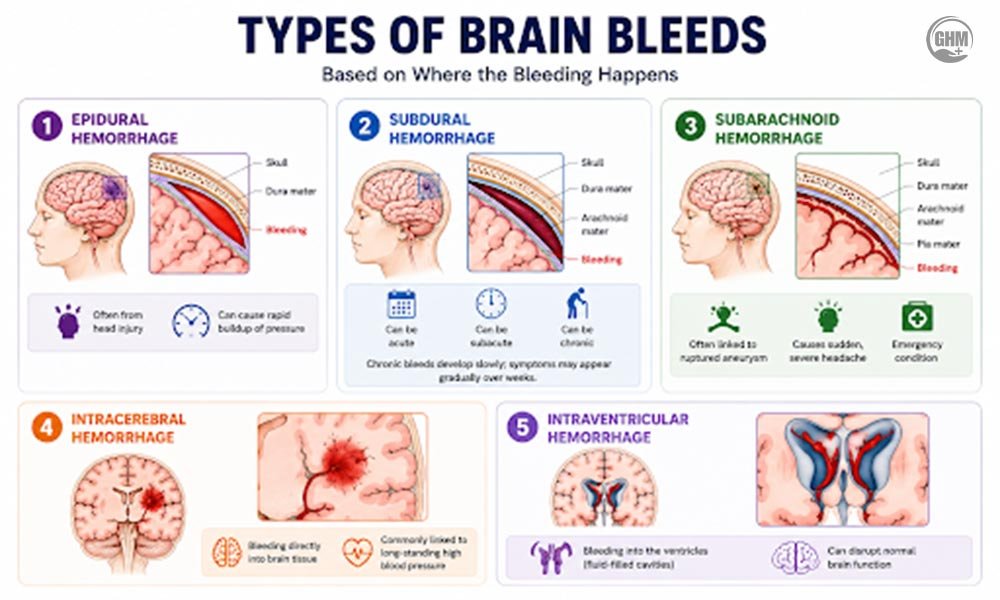
Intracranial bleeding is categorized based on where the blood accumulates relative to the brain tissue and protective membranes.
1. Epidural Hemorrhage
An epidural bleed happens between the bony skull and the outermost protective membrane layer, called the dura mater. This type is frequently tied to traumatic head injuries and can cause a rapid, dangerous buildup of pressure.
2. Subdural Hemorrhage
This Subdural hemorrhage occurs between the dura mater and the arachnoid membrane. Subdural bleeds are classified as acute, subacute, or chronic. Chronic forms develop slowly, meaning symptoms may appear gradually over weeks, particularly in older adults.
3. Subarachnoid Hemorrhage
Located between the arachnoid membrane and the delicate pia mater, a subarachnoid bleed is frequently linked to a ruptured brain aneurysm. It causes a hallmark sudden, severe headache and requires emergency evaluation.
4. Intracerebral Hemorrhage
Intracerebral hemorrhage involves bleeding directly into the brain tissue itself, such as within the lobes, brainstem, or cerebellum. It is commonly associated with long-standing, unmanaged high blood pressure.
5. Intraventricular Hemorrhage
Intraventricular Hemorrhage is a rare form of brain bleed that involves bleeding directly into the brain’s ventricles, which are the fluid-filled cavities responsible for producing cerebrospinal fluid. It can significantly disrupt normal brain function.
The Causes of Bleeding in the Brain
Brain hemorrhages can be caused by a variety of traumatic and non-traumatic triggers that compromise blood vessel walls.
- Traumatic Head Injuries: Falls, motor vehicle accidents, sports collisions, and direct blows to the head can tear blood vessels. In older adults, brain bleeds can be caused by seemingly minor bumps.
- Uncontrolled High Blood Pressure: Chronic hypertension places constant stress on vessel walls, gradually weakening them until they leak or rupture.
- Brain Aneurysms: A localized, weak spot in a blood vessel wall can balloon outward and eventually burst, causing severe bleeding.
- Arteriovenous Malformations (AVMs): These congenital tangles of abnormally formed arteries and veins create weak points prone to leaking.
- Cerebral Amyloid Angiopathy: A protein buildup within the brain’s arterial walls that often affects older adults and causes vessel fragility.
- Blood and Clotting Disorders: Conditions like hemophilia or sickle cell anemia reduce the blood’s ability to form proper clots, leading to bleeding in the brain.
- Medications and Substances: Anticoagulants (blood thinners), antiplatelet drugs, heavy alcohol use, and stimulant drugs like cocaine increase overall risk of brain bleeding.
Signs and Symptoms of Bleeding in the Brain
Symptoms of brain hemorrhage vary depending on the location, size of the bleed, and the specific brain structures affected. They often appear suddenly and escalate over time.
- A sudden, severe headache, frequently described as a “thunderclap” or the worst headache of one’s life.
- Sudden weakness, numbness, tingling, or paralysis, usually affecting just one side of the face, arm, or leg.
- Slurred speech, confusion, or difficulty understanding spoken language.
- Persistent nausea, vomiting, dizziness, or a sudden loss of balance and coordination.
- Vision changes, double vision, or sensitivity to light.
- Unusual sleepiness, lethargy, or a decreased level of alertness.
- Seizures without any prior history of epilepsy.
- Loss of consciousness or slipping into a coma.
The Risk Factors of Bleeding in the Brain
While a brain hemorrhage can impact individuals of any age, certain factors heighten vulnerability:
- Older adults, particularly those over the age of 65.
- Individuals with a history of chronic, unmanaged hypertension.
- People taking prescribed blood thinners or antiplatelet medications.
- Individuals diagnosed with bleeding disorders or vascular abnormalities.
- People who regularly smoke tobacco or consume excessive alcohol.
- Individuals managing liver disease or specific pregnancy-related complications.
Having a risk factor does not guarantee a hemorrhage will occur, but it elevates overall susceptibility.
What to Do If Someone Experiences a Brain Hemorrhage?
Any suspected intracranial bleeding is a life-threatening medical emergency. If you or someone nearby experiences sudden neurological symptoms or a head injury followed by declining alertness, call your local emergency number immediately.
Never wait to see if symptoms improve on their own, and do not attempt to diagnose the root cause at home. Research has shown that within the first three hours, brain hemorrhages often increase in size by at least 33%. The larger the brain bleed, the more dangerous it is.
Prompt evaluation by emergency medical personnel is essential for survival and recovery from bleeding in the brain. Symptoms of brain bleed can appear immediately or, in some cases, develop later following trauma.
How Is Bleeding in the Brain Diagnosed?
Medical teams initiate a rapid evaluation using physical and neurological examinations to assess mental status, reflexes, and motor function.
To confirm the brain bleed diagnosis and pinpoint the exact location of the bleed, doctors rely on advanced imaging:
- CT Scan: Rapidly detects pooled blood and acute intracranial bleeding.
- MRI: Offers detailed visualizations of soft brain tissue and smaller structural abnormalities.
- CT Angiography (CTA) or Angiography: Uses injected contrast dye to map blood vessels and locate underlying aneurysms or AVMs.
Additional diagnostic steps for brain hemorrhage may include blood counts, urine tests, or a lumbar puncture (spinal tap) to check for blood in the cerebrospinal fluid when clinically necessary.
What Are The Treatment Options For Bleeding in the Brain?
Treatment for bleeding in the brain depends heavily on the hemorrhage’s size, exact location, underlying cause, and overall patient health.
1. Medical Management
While treating a hemorrhage, doctors frequently administer medications to stabilize vital signs. This includes blood pressure management drugs, anti-seizure medications, pain relievers, and osmotics or corticosteroids to reduce brain swelling. Reversal agents may also be given if the brain bleeding is linked to blood thinners.
2. Surgical and Procedural Options
When pressure inside the skull becomes dangerous, or the hematoma is large, surgical intervention may be required:
- Decompression and Drainage: Surgeons drill a small hole in the skull to drain pooled blood and relieve intracranial pressure.
- Craniotomy or Craniectomy: Involves removing a portion of the skull temporarily or permanently to access the bleeding source and manage severe swelling.
- Endovascular Procedures: Minimally invasive catheter-based techniques are frequently used to coil or repair ruptured aneurysms from inside the blood vessels.
What Are The Complications of Bleeding in the Brain?
Without swift medical intervention, intracranial bleeding can trigger severe short- and long-term complications:
- Permanent brain damage or localized tissue loss.
- Ongoing paralysis, muscle weakness, or loss of fine motor skills.
- Chronic speech, communication, or swallowing difficulties.
- Memory impairment, cognitive slowing, and difficulty concentrating.
- Vision loss or persistent emotional and personality changes.
- Secondary seizures, coma, or death.
What Is Brain Bleed Recovery Process?
Brain Bleed recovery timelines vary substantially based on the severity of the initial injury, patient age, and how quickly care was administered. Comprehensive rehabilitation programs are often critical for maximizing independence:
- Physical Therapy: Focuses on restoring strength, balance, range of motion, and mobility.
- Occupational Therapy: Helps individuals relearn daily self-care tasks and adapt to residual physical changes.
- Speech-Language Therapy: Assists with communication deficits and swallowing rehabilitation.
Can Bleeding in the Brain Be Prevented?
While not all causes of bleeding in the brain can be avoided, many risk factors are manageable:
- Keep blood pressure within a healthy range through diet, exercise, and prescribed medication.
- Stop smoking tobacco and limit alcohol consumption.
- Manage blood sugar levels effectively if you have diabetes.
- Always wear seatbelts in motor vehicles and appropriate protective helmets during cycling or contact sports.
- Minimize household fall hazards, especially for older adults.
The Bottom Line
Bleeding in the brain is a critical medical emergency where every minute counts. Recognizing sudden neurological signs, such as severe head pain, weakness on one side of the body, or confusion, and seeking emergency care immediately is vital for survival and long-term recovery.
Rehabilitation may also help people regain movement, communication, and daily living skills after a hemorrhage.
Anyone experiencing sudden symptoms that may indicate a brain bleed should seek emergency medical attention immediately.
Frequently Asked Questions
- Can a brain bleed stop on its own without surgery?
Yes. Smaller hemorrhages that do not create dangerous pressure inside the skull may resolve naturally with close medical observation, medication, and supportive care, eliminating the need for invasive surgery.
- What is the difference between a stroke and a brain bleed?
A brain bleed is actually a specific subtype of stroke known as a hemorrhagic stroke. While most strokes occur when a blood clot blocks blood flow to the brain (ischemic stroke), a hemorrhagic stroke happens when a blood vessel bursts and bleeds into or around the brain.