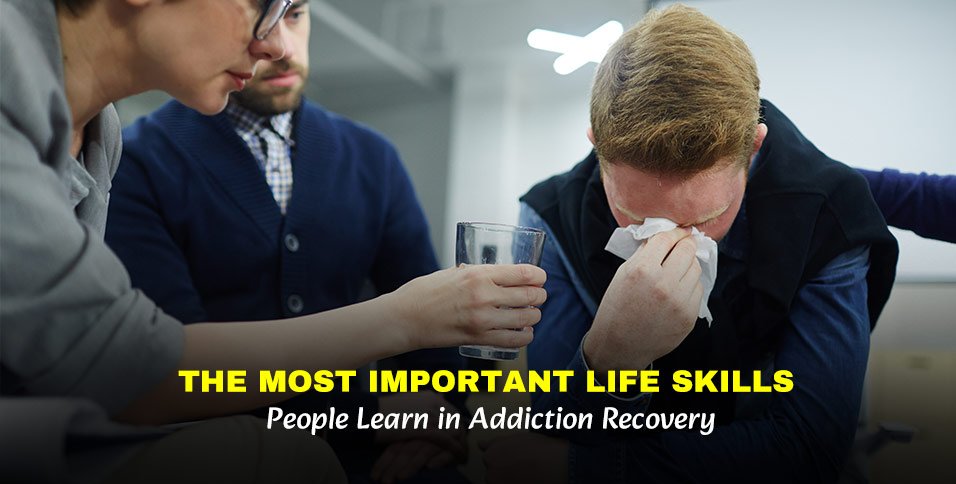
People who struggle with addiction often experience a lack of life skills. Whether they struggle with budgeting, basic self-care, managing emotions, or communicating in different ways, recovery programs help them to learn the skills they need so they can function more effectively in their own lives. Addiction can take away a person’s confidence, health, and so much more. Going through a treatment program helps them gain back what they lost, and develop new abilities that can take them into a new season of life.
Develop a Foundation for Lost Lasting Sobriety
Addiction brings with it a lot of chaos. This leads to broken relationships, sometimes challenges holding down meaningful work, and even struggles with daily personal tasks. Recovery programs are there to help people to basically start over. Once drugs and alcohol are removed from a person’s life, they need help to build a new foundation. While they may have relied on substances to get them through in the past, they need new footing to help them move forward.
Utilizing a recovery program, like the one at RiseAndRenewRecovery.com, can help them start fresh. It’s here where they can receive clinically supported detox to get the substances out of their system as comfortably and safely as possible. Once that happens, they can stay for a program that helps them gain essential skills for daily living, work through emotional problems, and even reconnect with the people they love.
Build Emotional Regulation Skills
People who rely on substances often struggle with emotional regulation. This is the ability to recognize what you’re feeling, and then be able to consciously choose how to respond to those feelings. Eventually, regulation can become more automatic as people practice different techniques. Rehab centers use a variety of different methodologies to help people regulate how they feel. They may use traditional therapies, or alternative methods depending on how much trauma someone has experienced.
Some people have such a hard time regulating how they feel, that starting with something like art therapy or even equine assisted therapy is an essential part of the process. Equine therapies are the use of horses to help practitioners connect with patients in a meaningful way. When people have PTSD, anxiety, or substance use disorders, this approach can help create connections that lead to better emotional regulation over time.
Improve Communication and Relationship Skills
When people are stuck in addiction, they often lose the ability to communicate and have healthy relationships. The substances create a barrier that makes it hard to connect. During treatment, coaches, therapists, and other professionals help people practice communication, and give them opportunities to connect with others in meaningful ways. They might do this through group therapies, family sessions, and even practice acting out scenarios. These life skills are essential for long-term sobriety because it helps people connect with their families and also communicate in professional environments.
Create Helpful Routines
Sometimes the lack of routine can be a trigger for relapse. During treatment, people learn how to create helpful routines for everything from sleeping, to eating, to when to grocery shop. Creating a routine helps people to stay consistent in their life and builds structure that they can lean into even on the hard days. When you don’t have to think too hard about what comes next in your day it can help with the recovery process long-term.
Manage Stress Without Substances
Stress management is an important skill for everyone. Learning how to handle challenges as they come your way is crucial. For someone who has been in the throes of addiction, learning to manage stress without substances can literally save their lives. Addiction recovery requires people to learn how to manage their emotions, make next steps, and so much more. They learn to take ownership of their choices and discover healthy options to handle stress, like talking to a friend, going for a walk, chatting with a therapist, doing an activity they love, or finding new ways to laugh.
Set Goals and Make Future Plans
Addiction often keeps people stuck in the right now. They don’t have the ability to set and achieve goals or make plans for the future because all they are thinking about is their next fix or drink.
An important life skill they learn in recovery is that they can set and achieve goals. They can make plans for the future and take steps toward doing them. Over time, they begin to develop a sense of self-worth again and can see themselves in a new light. These life skills all work together to help them live a life free of addiction.