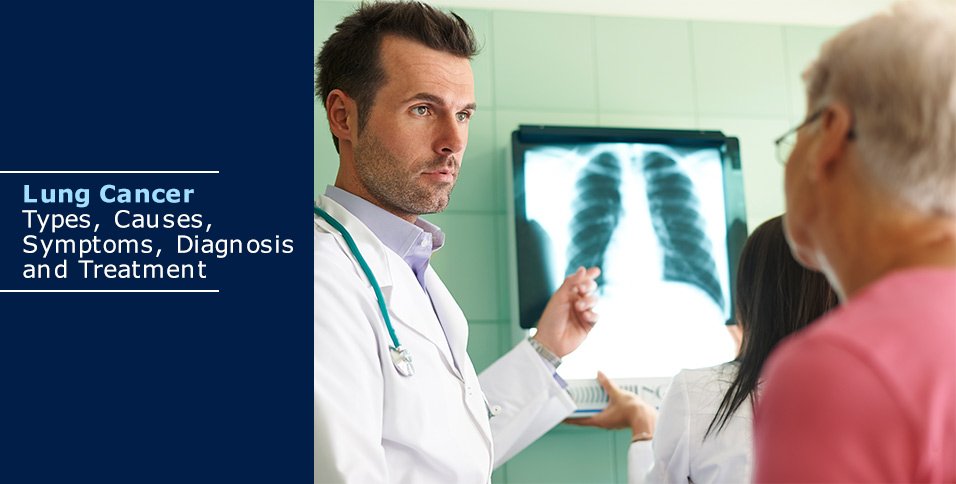
Lung cancer is one of the most common types of cancer worldwide. It develops when abnormal cells in the lungs begin to grow uncontrollably and form a tumour. If not detected and treated on time, these cells may spread to other parts of the body.
Although lung cancer can be a serious condition, advances in medical technology, surgery, chemotherapy, and targeted medicines have improved treatment options. Understanding its symptoms and available treatments can help patients make informed healthcare decisions.
In this blog, we will discuss the types, causes, symptoms, diagnosis, and treatment options for lung cancer.
Let’s begin!
What is Lung Cancer?
Lung cancer is a disease in which abnormal cells grow uncontrollably in one or both lungs. These cells may form a tumour that affects normal lung function.
The lungs help supply oxygen to the blood and remove carbon dioxide from the body. When cancer develops, it can damage healthy lung tissues and may eventually spread to nearby lymph nodes or other organs.
Lung cancer can affect smokers as well as people who have never smoked. However, smoking remains one of its major risk factors.
What Are the Different Types of Lung Cancer?
Lung cancer is mainly divided into two types based on the appearance and behaviour of cancer cells.
1. Non-Small Cell Lung Cancer (NSCLC)
Non-small cell lung cancer is the most common type, accounting for approximately 80–85% of cases.
Its main types include:
- Adenocarcinoma: Usually develops in the outer parts of the lungs and can affect smokers and non-smokers.
- Squamous Cell Carcinoma: Generally develops in the lining of the airways and is strongly associated with smoking.
- Large Cell Carcinoma: Can develop in different areas of the lungs and may grow quickly.
2. Small Cell Lung Cancer (SCLC)
Small cell lung cancer is less common but generally more aggressive. It is strongly associated with smoking and can spread quickly to other parts of the body.
It is classified into limited-stage and extensive-stage disease depending on how far the cancer has spread.
What Causes Lung Cancer?
Lung cancer develops when changes occur in the DNA of lung cells, causing them to grow abnormally. Smoking is the leading risk factor, but several other factors may also increase the chances of developing this disease.
Common risk factors include:
- Smoking cigarettes and other tobacco products.
- Exposure to second-hand smoke.
- Long-term exposure to air pollution.
- Exposure to radon gas.
- Workplace exposure to asbestos and certain chemicals.
- Family history of lung cancer.
- Previous radiation therapy to the chest.
Note: Not everyone who develops lung cancer has a smoking history. People who have never smoked can also develop the disease.
Common Symptoms of Lung Cancer
Lung cancer may not cause noticeable symptoms during its early stages. Some patients discover it during medical examinations or imaging tests performed for other reasons.
As the condition progresses, common symptoms may include:
- Persistent cough that does not improve.
- Coughing up blood or blood-stained mucus.
- Chest pain while coughing or breathing.
- Shortness of breath.
- Repeated chest infections.
- Unexplained weight loss.
- Loss of appetite.
- Constant tiredness or weakness.
- Changes in voice or hoarseness.
- Bone pain or headaches in advanced cases.
These symptoms may also occur due to other medical conditions. However, persistent symptoms should be evaluated by a healthcare professional.
How is Lung Cancer Diagnosed?
Accurate diagnosis helps doctors understand the type, location, and stage of lung cancer. Depending on the patient’s condition, doctors may recommend different tests.
Common diagnostic methods include:
- Chest X-ray: Helps identify unusual masses or abnormalities in the lungs.
- CT Scan: Provides detailed images of the lungs and helps identify the size and location of a tumour.
- PET-CT Scan: Helps check whether cancer has spread to other parts of the body.
- Bronchoscopy: Allows doctors to examine the airways and collect tissue samples.
- Lung Biopsy: A small tissue sample is examined to confirm the presence of cancer.
- Molecular Testing: Identifies genetic changes that may help doctors select targeted treatments.
After diagnosis, doctors determine the cancer stage and prepare a suitable treatment plan.
Treatment for Lung Cancer
Lung cancer treatment depends on the cancer type, stage, tumour location, genetic characteristics, and the patient’s overall health.
For patients exploring treatment abroad, the lung cancer treatment cost in India can vary depending on the hospital, treatment approach, medicines, diagnostic tests, and duration of care.
There are different approaches to managing lung cancer.
Non-Surgical Treatment
Not every patient requires surgery. Depending on the disease, doctors may recommend one or more of the following treatments.
1. Chemotherapy
Chemotherapy uses medicines to destroy cancer cells or slow their growth. It may be recommended before surgery, after surgery, or as the main treatment for certain advanced cancers.
2. Radiation Therapy
Radiation therapy uses high-energy rays to destroy cancer cells. It may be used to control tumours or treat patients who cannot undergo surgery.
3. Immunotherapy
Immunotherapy helps the body’s immune system recognise and attack cancer cells. It may be recommended depending on the cancer type and specific tumour markers.
4. Targeted Therapy
Targeted therapy focuses on specific genetic changes that help cancer cells grow. Doctors may recommend it when molecular testing identifies suitable targets.
Surgical Treatment
Surgery may be considered when cancer is detected at an early stage and the tumour can be safely removed.
Common surgical procedures include:
- Wedge Resection: Removes a small portion of the lung containing the tumour.
- Segmentectomy: Removes a specific segment of the affected lung.
- Lobectomy: Removes an entire lobe of the lung.
- Pneumonectomy: Removes an entire lung when the tumour’s location or extent requires it.
The surgeon selects the procedure based on the tumour’s size, location, and the patient’s lung function.
Can Lung Cancer Be Prevented?
Not every case of lung cancer can be prevented, but certain precautions may help reduce the risk.
Some useful measures include:
- Avoid smoking and quit tobacco use.
- Stay away from second-hand smoke.
- Reduce exposure to harmful chemicals.
- Follow workplace safety guidelines.
- Maintain a healthy lifestyle.
- Discuss lung cancer screening with a doctor if you have a high-risk smoking history.
For eligible individuals, doctors may recommend low-dose CT screening to help detect lung cancer at an earlier stage.
Conclusion
Lung cancer is a serious condition, but early diagnosis and appropriate treatment can make a significant difference. Treatment options range from chemotherapy and immunotherapy to targeted medicines and surgical procedures.
Every patient requires an individual treatment plan based on the cancer type, stage, and overall health.
Patients exploring treatment options in India can compare the facilities and expertise available at th best cancer hospitals in India before making a decision.
If you are looking for lung cancer treatment in India, MedSurge India can help you connect with experienced cancer specialists and leading hospitals. It also assists international patients with hospital selection, medical consultations, and treatment coordination, making their healthcare journey easier to manage.