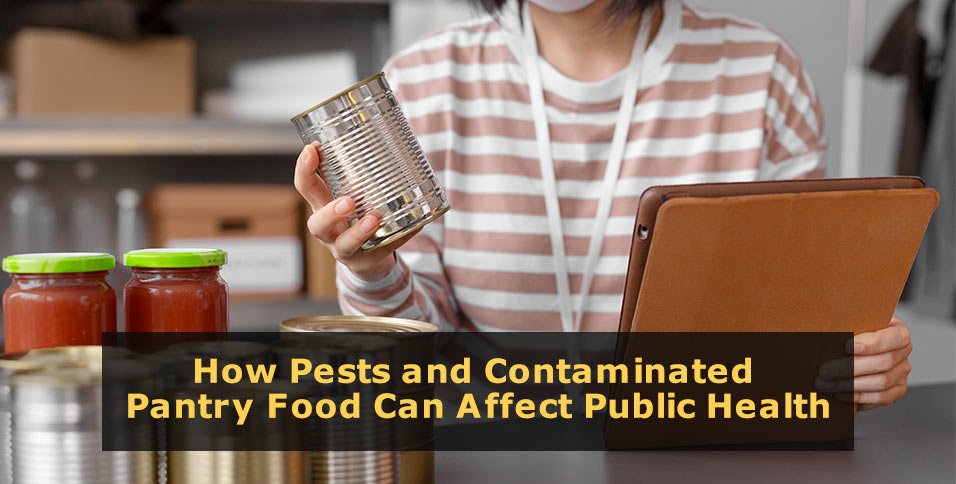
A box of cereal with a small hole chewed in the corner. A bag of rice with tiny moving specks. A cupboard with a musty smell. Most people see these things and think “gross.” Few think “health risk.”
But unsafe food is a big health problem around the world. The World Health Organization (WHO) estimates that unsafe food makes about 600 million people sick every year, and children under five carry a large share of that burden. Much of it starts long before food reaches a hospital. It starts in kitchens, pantries and storerooms.
This article explains how pests and contaminated pantry food can harm health, who is most at risk, and what simple steps can help.
This article gives general information and is not medical advice.
Why Pantry Safety Is a Public Health Issue
Food safety isn’t only about restaurants and factories. Homes, care homes, schools and shelters all store food. When it’s stored badly, germs and pests can spread through whole households and communities.
Foodborne illness also puts pressure on healthcare systems. Every case of food poisoning can mean a doctor’s visit, lost work or school days, and sometimes a hospital stay. News about food recalls is a regular reminder that contamination can reach homes even when people do everything right at the store.
How Pests Contaminate Food
Pests are drawn to food, warmth and shelter. When they get into a pantry, they can spread harm in a few ways.
Rodents like mice and rats leave droppings and urine on food and packaging. They can carry bacteria such as Salmonella, and some rodent waste can carry dangerous viruses. They also chew through boxes, bags and thin plastic.
Cockroaches and flies walk across garbage, drains and waste, then across your food and counters. They can carry germs on their bodies and legs, and cockroach droppings and body parts can trigger asthma and allergies in some people.
Pantry insects like weevils, flour beetles and pantry moths mostly spoil food rather than spread disease. But a heavy infestation can contaminate large amounts of food, and it’s a sign that storage isn’t working.
Mold and Hidden Toxins
Damp air is a quiet problem. When dry foods like grains, flour, nuts, cereal and spices take in moisture, mold can grow.
Some molds produce natural poisons called mycotoxins. One well-known group is aflatoxins, which can contaminate grains, nuts and some spices. High or long-term exposure can seriously harm the liver. You can’t always see or smell these toxins, and cooking doesn’t always destroy them.
That’s why food safety agencies give a simple rule for moldy food: when in doubt, throw it out.
Who Is Most at Risk?
Anyone can get sick from contaminated food, but some people face higher risks, according to the CDC and other health agencies:
- Babies and young children
- Pregnant people
- Older adults
- People with weakened immune systems, including those receiving cancer treatment or taking certain medicines
- People with long-term health conditions
For these groups, a mild stomach bug can turn into something serious. That’s why food storage matters in care homes, home-care settings and homes with vulnerable family members.
Signs Your Pantry May Be a Problem
Check your cupboards and storage areas regularly for these warning signs:
- Chewed packaging, holes or gnaw marks
- Droppings, shed skins or webbing
- Small insects in flour, rice, cereal or pasta
- A musty, sour or unusual smell
- Clumped, damp or discolored food
- Mold on any food, containers or shelves
If you see any of these, don’t taste the food to check. Throw it out, and clean the area.
Simple Steps to Keep Food Safe
Good habits cut the risk a lot. You don’t need special equipment.
Store food in sealed containers. Move dry foods out of paper and thin plastic into airtight containers or bags. This keeps out pests, moisture and dust.
Keep your storage area cool, dry and clean. Damp and heat help mold and bugs thrive. Store food off the floor, and away from the stove and sink.
Clean up crumbs and spills right away. Wipe shelves regularly, and don’t leave food out overnight.
Check dates and use older food first. Put new items at the back and older ones at the front.
Inspect new food before you store it. Check packets for holes, webbing or bugs before they go into your cupboard.
Take out trash often, and keep bins covered.
Keep perishables cold. The fridge should be at 40°F (4°C) or below, and perishable food shouldn’t sit out for more than two hours.
Many households use thick, foil-layered Mylar bags for dry staples like rice, oats, beans and pasta, because they block moisture, light and air. View products to see the sizes and what each kit includes. These bags are for dry foods only. Never seal wet or moist foods inside them.
What to Do if You Find Pests
If you find signs of pests, act quickly:
- Throw out any food that has been chewed, contaminated or has droppings near it.
- Wear gloves when cleaning, and don’t sweep or vacuum dry rodent droppings, because this can send particles into the air. Wet them with a disinfectant solution, wipe them up with paper towels and wash your hands.
- Empty the cupboard, vacuum the shelves and wipe them down.
- Fix the cause. Seal gaps, fix leaks and remove food sources.
- Call a pest professional if the problem keeps coming back.
When to Get Medical Help
Foodborne illness often causes vomiting, diarrhea, stomach cramps or fever. Most mild cases pass in a few days, but get medical advice if symptoms are severe, last more than a few days, or include signs of dehydration, blood in the stool or a high fever. Call a doctor sooner for babies, older adults, pregnant people and anyone with a weakened immune system.
The Bigger Picture
Strong food safety standards are a mark of healthy societies. This overview of the healthiest countries in the world shows that food quality and public health often go together. At home, small daily habits do the same job on a smaller scale. And safe food is where healthy eating begins, as these quotes on healthy eating remind readers.
Final Thoughts
A clean, dry, well-sealed pantry is a small but real part of public health. Pests and contaminated food can cause illness at home, and the risk is highest for people who are already vulnerable.
Check your food regularly, store it properly and act fast when something looks wrong.