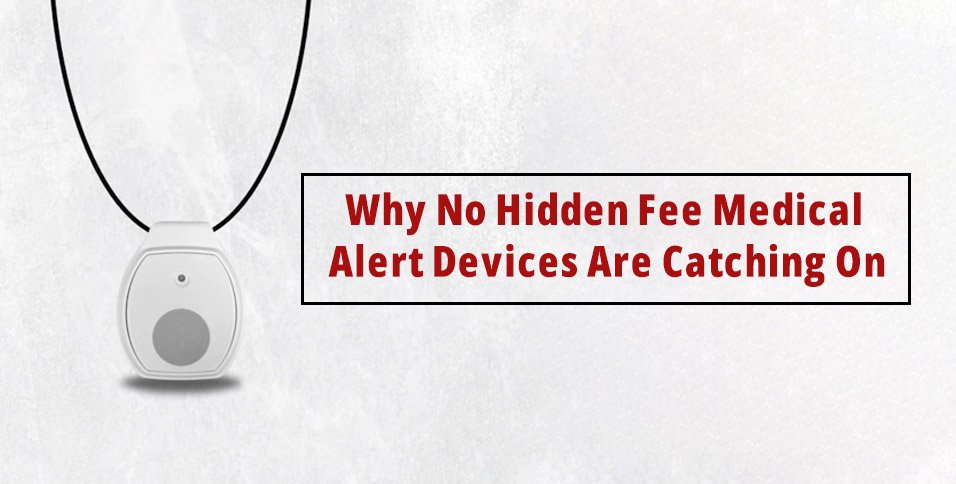
Medical alert devices are an important safety tool for older adults, people with mobility issues, or anyone with a specific medical condition. These devices let someone call for help in an emergency, especially if they are alone and can’t reach a phone.
However, picking a medical alert system hasn’t always been easy. Some providers have low monthly fees but charge extra for activation, equipment, cancellation, or other features. These expenditures can make it difficult for families to know exactly what they’re paying for.
As more people seek an affordable, transparent safety solution, medical alert devices with clear pricing are becoming more important. Here are a few reasons people and families choose no-hidden-fee medical alert devices.
1. Clear Pricing Makes Budgeting Easier
Many people choose no-hidden-fee medical alert devices for just one reason. They want to know their rates before signing up, so they don’t get surprise charges after purchase. You look at the price and decide whether it fits your budget.
This matters for retirees and older adults on a fixed income. A lot of money is already spent on rent, drugs, food and getting around each month. Even a small, unexpected fee can throw that balance off.
Providers such as Life Assure that spell out their costs make life easier for families. They have no hidden charges, activation fees, or setup fees for medical alert devices. All equipment, subscription costs, and optional extras are clearly listed, saving time in comparing options..
2. Families Want Fewer Financial Surprises
Families that buy medical alert devices for their elderly parents or relatives usually do so for peace of mind. They want to know their loved ones can ask for help without worrying about complex billing arrangements.
Unexpected charges can rattle that confidence. For instance, a family may learn that some functions require an extra membership or that broken equipment incurs an additional charge.
Clear charging conditions let families focus on the gadget’s safety features instead of constantly monitoring expenses. They can also better decide which services they need and which optional features they can live without.
3. More Older Adults Want to Remain Independent
Many older adults would rather stay in familiar surroundings than move into assisted living. But living alone can lead to problems with falls, sudden illness and other issues.
Medical alert devices offer an additional way to call for help when you need it. Some systems let users wear a button, speak through a base station, or activate an emergency response system.
The straightforward pricing makes it easier to think of these devices as part of a long-term independent living plan. Instead of worrying about fluctuating or unexpected expenses, customers can compare the cost to other household necessities.
4. Simple Subscription Terms Reduce Confusion
Complicated contracts may discourage people from buying medical alert systems. Some clients may struggle to understand billing cycles, renewal terms, cancellation rules, or the difference between owning and renting equipment.
Providers with simple subscription terms might help take the pressure out of the buying process. Customers know what they are getting into and better understand their responsibilities throughout the service period.
This clarity is especially useful when adult children help senior relatives select and use their equipment. Everyone involved sees the same information and can make decisions without deciphering complex pricing structures.
However, customers should read the agreement carefully. A device advertised as free of hidden fees may still have clearly disclosed charges for certain services.
5. Easier Cost Comparisons Support Online Shopping
Many families now research medical alerting devices online before calling a provider. They read product descriptions, customer reviews, subscription details and features on different websites.
Hidden costs make it harder, as the listed price may not reflect what consumers are actually charged.
If providers clearly advertise their costs, then it will be easier to compare. Users can compare subscription models and prices, see initial fees, the equipment they must invest in, and any extra services they might need without contacting customer service multiple times.
Clear information also helps people buying for relatives who live elsewhere. Before purchasing, they can narrow down their choices and talk with family members about the best choice.
6. Consumers Are Comparing More Than Basic Features
Consumers no longer evaluate medical alert systems only on whether they have an emergency button. Consumers also consider battery life, coverage, water resistance, automatic fall detection, and whether the device works outside the home.
These changes can affect the total cost. For instance, some companies charge extra for fall detection or mobile connectivity, while others bundle these features into their standard rates.
Transparent pricing helps customers compare systems more easily. They can see what each package offers and work out the total cost, rather than choosing the cheapest advertised rate.
This promotes decisions not only on affordability but also on suitability. An affordable product that meets the user’s requirements may be more valuable than a cheaper one that requires multiple expensive updates.
Conclusion
No hidden-cost medical alert systems show customers want simple, clear pricing. Seniors and families need assistance during a crisis – NOT another complex agreement or secret expenses.
These comparisons help you choose a system that fits your budget, subscription needs, and safety requirements. You can evaluate the quality of a medical alert system by the service it provides, and an easy pricing plan makes it easier to choose one.