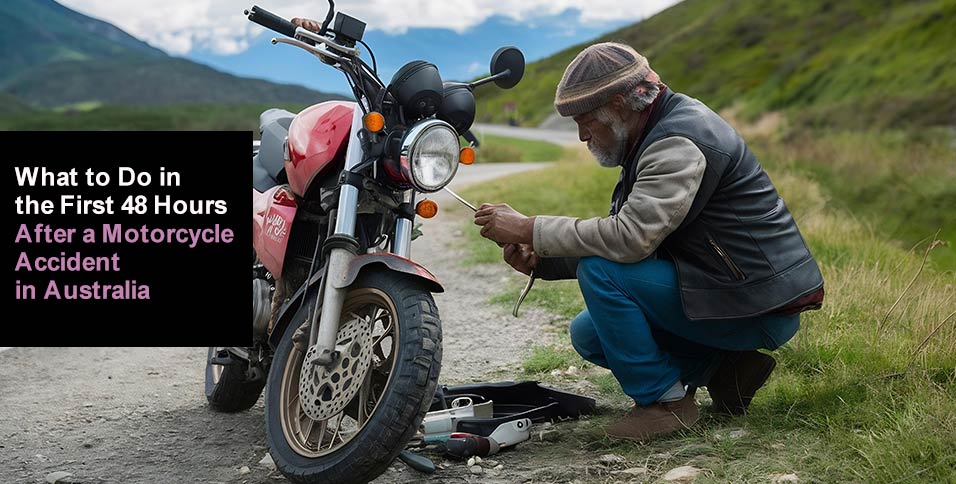
A motorcycle accident can flip your entire week upside down in the space of a few seconds. One moment you’re riding home, and the next you’re dealing with paramedics, paperwork, and a body that suddenly feels every bump in the road.
What happens in the first 48 hours after the crash often shapes both your recovery and any claim you might need to make later. Knowing the right steps to take can save you stress, time, and a surprising amount of money down the line.
Key Takeaways
- The first two days after an accident set the tone for both your physical recovery and any future claim.
- Seeking medical attention early is essential, even if injuries seem minor.
- Documentation, from medical certificates to photos, becomes your strongest ally.
- Legal advice early on can protect your rights and prevent costly missteps.
- Recovery is more than physical, and mental health support matters just as much.
Step One: Take Care of the Basics at the Scene
Once the dust settles, your priority is safety and immediate medical care. Even if you feel “okay,” adrenaline can hide injuries that show up hours or days later.
Call emergency services, move out of traffic if you safely can, and accept any medical assessment offered at the scene. Refusing treatment because you feel fine often leads to regret when soreness, dizziness, or worse symptoms appear the next morning.
If you’re able, take photos of the bike, the road conditions, vehicles involved, and any visible injuries. These small steps in the first hour can make a huge difference later.
Step Two: Get Properly Examined Within 24 Hours
Even if paramedics cleared you at the scene, a proper medical assessment within the first day is essential. Soft tissue damage, concussions, and internal injuries don’t always announce themselves immediately.
Visit your GP, an after-hours clinic, or a hospital depending on what’s available. Make sure everything is documented in your patient file, including pain levels, mobility issues, and anything that feels “off.”
If your symptoms are mild but you still need time off work or proof of your visit, doctor-approved online medical certificates in Australia can be a convenient option for getting the paperwork sorted without sitting in a waiting room for hours. Hola Health makes it easy for Australians to access legitimate certificates from registered doctors when in-person visits aren’t practical.
This documentation matters more than people realize. It creates a clear paper trail that supports your recovery, your employer communication, and any future claim.
Step Three: Notify the Right People
Once you’ve been seen by a doctor, it’s time to handle the practical notifications. Contact your insurer to let them know an accident occurred, even if you haven’t decided whether to claim yet.
Notify your employer if you’ll need time off, and keep your messages factual rather than emotional. The goal is to create a clean, honest record of what happened and how it’s affecting your daily life.
Avoid posting accident details on social media. Insurers and opposing legal teams routinely review public posts, and a casual comment can be misinterpreted in ways that hurt your case.
Step Four: Protect Your Right to Compensation
Australian motorcycle accident claims involve a layered mix of compulsory third party insurance, state-based schemes, and sometimes common law rights. The rules vary depending on whether you’re in NSW, Victoria, Queensland, or another state.
Strict deadlines apply almost everywhere, and missing them can quietly close doors you didn’t know were open. This is why so many riders choose to speak with a motorcycle accident lawyer early, even if they’re unsure about pursuing a formal claim. HCA Lawyers specialises in motorcycle accident claims and can help riders understand what options are realistically available based on their specific circumstances.
A short conversation with a specialist can clarify whether you have a claim worth pursuing, what evidence to preserve, and how to avoid statements that could be used against you later. The cost of that early advice is usually far smaller than the cost of figuring it out alone.
Step Five: Don’t Underestimate the Mental Side
Physical injuries get most of the attention, but the psychological aftermath of a motorcycle accident can linger long after the bruises fade. Anxiety, sleep issues, flashbacks, and a fear of riding again are all common.
Talk to your GP about a mental health care plan if symptoms persist. Reading up on post-traumatic stress recovery can also help you recognise symptoms early and find approaches that work for your situation.
Lean on the people around you, too. Friends, family, and even riding communities can offer practical help and emotional grounding when things feel overwhelming.
Step Six: Stay Organised Through Recovery
Recovery often involves a long string of appointments, payments, and decisions. A simple folder, either physical or digital, can save you hours of frustration.
Keep medical certificates, receipts, accident photos, correspondence, and any notes about pain or limitations all in one place. When your insurer or lawyer needs information, you’ll be able to provide it quickly and accurately.
A short daily journal also helps. Even a few sentences about how your body feels and what you couldn’t do that day creates a powerful record of how the accident has affected your life.
What Riders Often Get Wrong
The biggest mistake riders make is downplaying their injuries to “just get back to normal.” It feels brave in the moment but tends to backfire when symptoms get worse and documentation is thin.
Another common misstep is signing insurance paperwork too quickly. Initial offers are often lower than what you might be entitled to, and once signed, those agreements are usually final.
Finally, many riders wait too long to ask questions. The earlier you understand your medical, financial, and legal options, the more control you have over the outcome.
Final Thoughts
A motorcycle accident is rarely just a moment of bad luck. It’s the start of a longer journey that involves your body, your finances, your work, and your mental health.
Handling the first 48 hours with care can make every step that follows easier. Get checked, document everything, ask the right questions early, and lean on the professionals who deal with these situations every day.
Frequently Asked Questions
How soon should I see a doctor after a motorcycle accident?
As soon as possible, ideally within 24 hours. Some injuries take time to surface, and early documentation strengthens both your recovery and any future claim.
Do I need a medical certificate even if I feel fine?
If you’re taking time off work or planning to lodge a claim, yes. A certificate creates an official record of your condition and the impact of the accident.
Can I claim compensation even if I was partly at fault?
In many cases, yes. Australia uses a contributory negligence system that may reduce, but not always eliminate, your entitlement to compensation.
How long do I have to lodge a motorcycle accident claim in Australia?
Time limits vary by state, but they can be as short as a few months for certain notifications. Speaking with a specialist lawyer early helps you avoid missing critical deadlines.
Will I have to go to court if I make a claim?
Most motorcycle accident claims in Australia settle without going to court. A skilled lawyer can usually negotiate a fair outcome through the relevant insurance scheme.
What should I avoid doing after the accident?
Avoid posting on social media, signing quick settlement offers, or downplaying injuries. These small actions often lead to bigger problems down the road.