You notice it when a routine appointment gets pushed back for weeks. The strain is showing across healthcare, not just in hospitals but in clinics, community programs, and long-term care settings where skilled nurses are needed every single day.
In Colorado, that need feels especially practical because growing communities, aging patients, and busy healthcare systems all rely on nurses who are prepared to step into real work with confidence. The health education landscape there has also become more important, since students are not only looking for a degree, but for training that can connect classroom learning with the pace and pressure of modern care.
A Nursing Program Should Fit the Real Job
Choosing a nursing program is not like picking a random class schedule and hoping it works out. Nursing is hands-on, people-facing work, and the education behind it needs to prepare students for long days, quick judgment, patient emotions, charting systems, and the kind of calm thinking that is hard to fake when the room gets busy.
A strong program should help students build both knowledge and habits. Anatomy, medications, care planning, and patient safety matter, of course, but so do communication, time management, and learning how to ask the right question at the right time. Those are not small extras. They are part of the job.
Evaluating Nursing Programs More Carefully
Students often begin their search by comparing schools, locations, tuition, and program length. Those details matter because education has to fit real life, not some perfect version of life where money, time, transportation, and family duties never get in the way. Still, a nursing program should also be judged by how well it prepares students for clinical settings, licensure steps, and the daily expectations of patient care.
That is why researching the best nursing colleges in Colorado can be useful when students look past the name and examine what the learning experience actually includes. The better question is not only where a program is located, but whether it offers the structure, support, and practical preparation needed for a demanding healthcare career.
Clinical Experience Matters More Than It Sounds
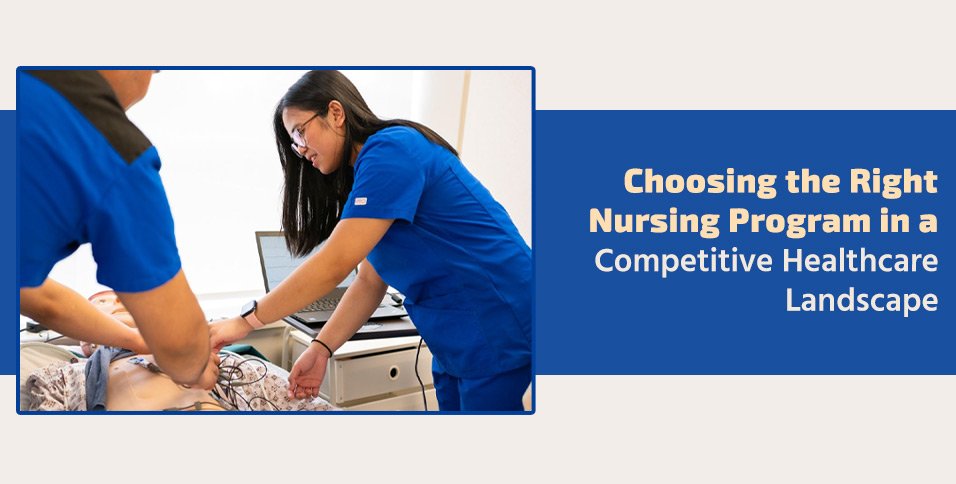
Classroom learning can build a strong foundation, but nursing starts to make sense in a different way once students begin working with real patients. Clinical settings are unpredictable. People do not always explain what they are feeling clearly, priorities can change quickly, and small decisions often carry more weight than expected.
That is why clinical training deserves close attention when comparing programs. Students should understand where placements happen, how supervision works, and how much hands-on exposure they will receive. Those experiences also help students discover what kind of nursing fits them best. Some thrive in fast-moving environments, while others find themselves drawn to community care, mental health, pediatrics, or long-term support.
Support Can Change the Student Experience
Nursing education is demanding, and pretending otherwise does not help anyone. Students deal with exams, labs, clinical schedules, personal responsibilities, and sometimes work on top of it all. A program with strong student support can make the difference between struggling silently and getting help before problems become too heavy.
Support may include academic advising, tutoring, faculty access, skills lab practice, career guidance, and help understanding licensure requirements. These services can seem ordinary when listed on a website, but they matter when a student is halfway through a tough term and needs a clear answer from someone who knows the process.
Students should also look at the tone of the program. Does it seem organized? Are expectations clear? Are students treated like future professionals, not just enrollment numbers? Those details are harder to measure, but they often shape the learning experience in a very real way.
Accreditation and Licensure Should Not Be Skipped Over
Some parts of choosing a nursing program are less exciting, but they are too important to ignore. Accreditation, state approval, and licensure preparation should be reviewed carefully before enrollment. These pieces affect whether a student can sit for required exams and move forward into nursing practice.
It may feel boring to check these details, especially when a program description already sounds appealing. Still, this is one area where students should slow down. A nursing degree is a serious investment of time and money, and it needs to lead somewhere solid.
Licensure exam preparation is also worth asking about. Students should look for programs that help them build testing confidence over time rather than treating exam readiness as a last-minute concern near graduation. Nursing knowledge builds layer by layer, and a good program understands that.
Flexibility Matters, but It Should Not Replace Quality
Many students today need flexible learning options. Some are changing careers. Some are parents. Some are working while studying. Others are trying to manage transportation, schedules, and bills while still keeping their long-term goals alive.
Flexibility can be helpful, but it should not be the only reason to choose a program. A schedule that fits is valuable only if the education itself is strong. Students should consider whether the format supports learning, whether instructors are accessible, and whether hands-on training is treated with enough seriousness. Convenience is nice. Nursing, however, is not a field where shortcuts age well.
Career Goals Should Guide the Decision
Not every nursing student enters school with the same plan. Some want to work in hospitals. Some are interested in public health, clinics, rehabilitation, elder care, or future advanced practice roles. Others simply know they want steady, meaningful work in healthcare and will figure out the setting later. That is fine. Students do not need a perfect map from day one, but they should think about where a program might help them go. The right choice should support both immediate licensure goals and longer-term career growth.
A competitive healthcare landscape does not mean students should rush into the first available option. It means the choice deserves more attention, not less. A nursing program shapes how students learn, how they practice, and how ready they feel when they step into care settings where real people are waiting.
The right program will not make nursing easy, because nursing is not easy. It can, however, make students better prepared for the work, and that is the part that matters when education stops being theory and becomes someone’s health, comfort, and trust.