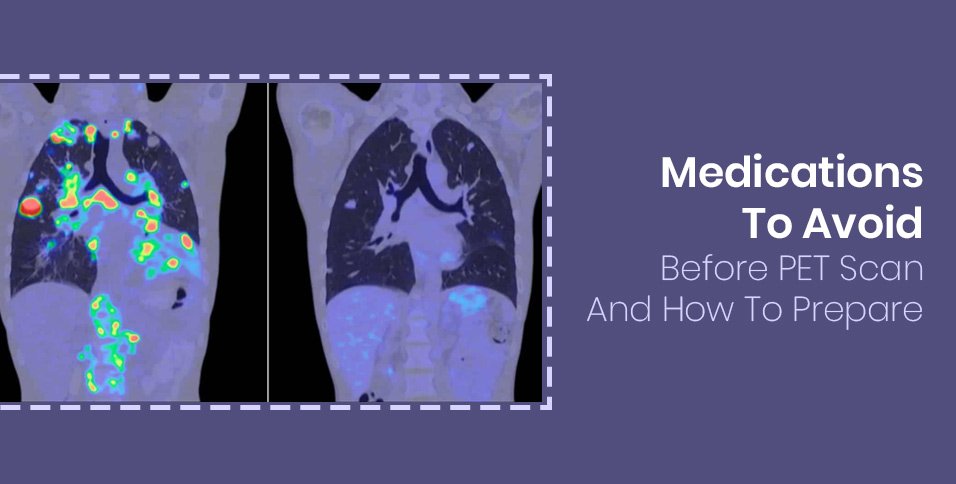
A PET scan is an important imaging test that helps doctors look at activity inside the body. It is often used for cancer care, heart conditions, brain disorders, and treatment follow-up. Many PET scans use a small amount of radioactive tracer, commonly FDG, which behaves like sugar in the body.
Because the scan depends on how your body absorbs the tracer, preparation matters. Food, blood sugar, exercise, and some medications can affect image quality. This does not mean you should stop medicines on your own. It means you should follow the exact instructions from your imaging center, doctor, or radiology team.
Why Medication Preparation Matters Before A PET Scan
A PET scan does not only show body structure. It also shows how active certain cells are. For example, FDG PET scans track how cells use glucose. Areas with higher activity may take up more tracer, which helps doctors see possible disease activity.
Some medicines, especially diabetes medicines, insulin, steroids, sedatives, or treatments related to cancer care, may change blood sugar levels or affect how the tracer spreads. If the body is not prepared correctly, the scan may be harder to read or may need to be rescheduled.
Medications To Avoid Before PET Scan
There is no single list of medicines that every patient must avoid before a PET scan. The instructions can change depending on the type of PET scan, the tracer used, your medical condition, and whether you have diabetes. However, some medicine groups need special attention.
1. Diabetes Medications
Diabetes medicines are the most important group to discuss before a PET scan. This includes insulin, metformin, sulfonylureas, GLP-1 medications, SGLT2 inhibitors, and other blood sugar medicines.
For FDG PET scans, high blood sugar can compete with the tracer and reduce scan quality. Some centers ask patients to avoid taking diabetes medicines on the morning of the scan, while others give different instructions based on the scan time. Never skip diabetes medicine without medical guidance, because unsafe low or high blood sugar can be dangerous.
2. Insulin
Insulin needs careful timing before a PET scan. Taking insulin too close to the scan may push FDG tracer into muscles instead of the area being studied. This can make the images less accurate.
If you use short-acting, rapid-acting, long-acting, or mixed insulin, call the imaging center before the appointment. They may schedule your scan in the morning or give special eating and insulin timing instructions. Bring your glucose meter, insulin, and snacks in case you need them after the test.
3. Metformin
Metformin is commonly used for type 2 diabetes. Some PET scan centers may ask patients to hold metformin before certain PET or PET/CT scans, especially when abdominal or bowel imaging is important.
Metformin can increase bowel activity on FDG PET images, which may make it harder to evaluate some areas. However, instructions vary. Some centers allow metformin until the day before the scan, while others may ask you to stop it for a short period. Follow your doctor’s instruction instead of guessing.
4. Steroid Medications
Steroid medicines such as prednisone, dexamethasone, methylprednisolone, or hydrocortisone may increase blood sugar in some people. This can affect FDG PET scan preparation, especially in patients with diabetes or prediabetes.
Do not stop steroids suddenly unless your doctor tells you to. Stopping steroids without medical advice can be unsafe, especially if you have taken them for more than a few days. Tell the imaging center if you are taking steroids so they can decide whether any timing change is needed.
5. Cough Syrups, Liquid Medicines, And Chewable Tablets With Sugar
Some cough syrups, liquid medicines, chewable tablets, lozenges, gummies, and supplements may contain sugar. Even small amounts can matter when you are fasting before an FDG PET scan.
If you need medicine during the fasting window, ask whether you can take it with plain water. Avoid candy, gum, sweetened cough drops, flavored drinks, and sugar-containing liquids unless your medical team says otherwise.
6. IV Fluids Or Nutrition Containing Dextrose
If you are in a hospital or receiving IV fluids, tell your care team about the PET scan. Fluids containing dextrose or sugar can interfere with FDG PET imaging.
Patients receiving tube feeding, parenteral nutrition, or IV nutrition may need a special plan before the scan. The imaging team may coordinate with your doctor to adjust timing safely.
7. Sedatives Or Anxiety Medicines
Some patients feel nervous before a PET scan, especially if they also need a CT or MRI portion. Anxiety medicines may be allowed, but they should be discussed before the appointment.
If you take a sedative, you may need someone to drive you home. Some medicines can also affect alertness, breathing, or scan instructions. Tell the staff if you use benzodiazepines, sleep medicines, pain medicines, or other calming medications.
8. Pain Medicines
Most routine pain medicines are allowed before a PET scan, but you should confirm this with your imaging center. Pain can make it difficult to lie still, so some patients may be advised to take their usual pain medicine before the appointment.
Take approved medicine only with plain water during the fasting period. Do not take pain medicines with juice, milk, coffee creamer, or food unless your team allows it.
9. Supplements And Herbal Products
Vitamins, herbal products, energy supplements, weight loss products, and gummies may contain sugar, caffeine, or stimulants. These may not be ideal before a PET scan.
Bring a list of all supplements you use. If your scan requires fasting, it is usually best to avoid non-essential supplements on the morning of the test unless your doctor says otherwise.
Medicines You Should Not Stop Without Asking
Some medicines are important for safety and should not be stopped without medical advice. These may include heart medicines, blood pressure medicines, seizure medicines, thyroid medicine, inhalers, blood thinners, transplant medicines, and essential psychiatric medicines.
If you are unsure, call the imaging center before the scan day. In many cases, important medicines can be taken with plain water. The main goal is to avoid anything that changes blood sugar, digestion, tracer uptake, or scan clarity.
How To Prepare The Day Before A PET Scan
The day before your PET scan, follow the diet instructions from your imaging center. Many FDG PET scan instructions recommend a low-carbohydrate, high-protein diet before the scan. This may include eggs, fish, chicken, meat, cheese, tofu, and non-starchy vegetables.
You may be asked to avoid bread, rice, pasta, potatoes, sweets, fruit juice, sugary snacks, and alcohol. Avoid heavy exercise, running, weightlifting, cycling, or intense physical work because muscles can absorb more tracer after activity.
How To Prepare On The Day Of The PET Scan
Most patients are asked to fast before an FDG PET scan, often for about 4 to 6 hours. During this time, plain water is usually allowed and encouraged. Do not drink coffee with cream, milk, sugar, flavored drinks, juice, sports drinks, or sweetened tea unless your center gives different instructions.
Wear comfortable clothing without metal zippers, buttons, or snaps if possible. Leave jewelry at home. Bring your ID, insurance card, medication list, and previous imaging reports if requested.
PET Scan Preparation For Diabetic Patients
Patients with diabetes should receive specific instructions before the scan. Blood sugar may be checked when you arrive. If it is too high, the scan may be delayed or rescheduled because the images may not be clear enough.
Ask your imaging center what blood sugar range they require. Also ask when to eat, when to take insulin, and whether to take oral diabetes medicines. Morning appointments are often easier for diabetic patients because fasting and medication timing can be managed more safely.
What Happens During The PET Scan Appointment
When you arrive, the staff may check your blood sugar and review your medication history. Then the tracer is usually injected through an IV. After the injection, you rest quietly while the tracer moves through your body.
During this waiting period, you may be asked to avoid talking, walking, chewing, or using your phone too much. This helps reduce unnecessary muscle activity. The scan itself is usually painless, but you must lie still while the images are taken.
After The PET Scan
After the scan, you can usually return to normal eating and medicines unless your doctor gives different instructions. Drinking water may help flush the tracer from your body.
If you were given a sedative, do not drive unless your care team says it is safe. If you have diabetes, check your blood sugar and return to your usual meal and medication schedule as directed.
When To Call Before Your PET Scan
Call your imaging center before the appointment if you have diabetes, are pregnant, may be pregnant, are breastfeeding, have kidney disease, use insulin, take steroids, or have trouble fasting.
You should also call if you are sick, have an infection, recently had surgery, recently received chemotherapy or radiation, or cannot lie still. These details may affect timing or preparation.
Final Thoughts
Knowing which medications to avoid before a PET scan can help improve image quality and reduce the chance of rescheduling. Diabetes medicines, insulin, metformin, steroids, sugar-containing medicines, and some supplements need special attention.
The most important rule is simple: do not stop prescribed medicine on your own. Always follow the instructions from your doctor or imaging center. Good preparation helps your PET scan give clearer, more useful results.