Somewhere between the pandemic changing how we all think about healthcare and the slow, grinding reality of NHS waiting times, something shifted. Millions of people in the UK started managing more of their health online, including how they get their medication. Not as a workaround or a last resort, but as a genuinely preferred way of doing things.
It’s not hard to see why. Getting a GP appointment can take weeks in some parts of the country, and for repeat prescriptions or straightforward treatments, that wait often feels disproportionate. Online services have stepped into that gap, and they’ve done it with varying degrees of quality, which is the part worth paying attention to.
Regulated vs. Unregulated: The Difference That Actually Matters
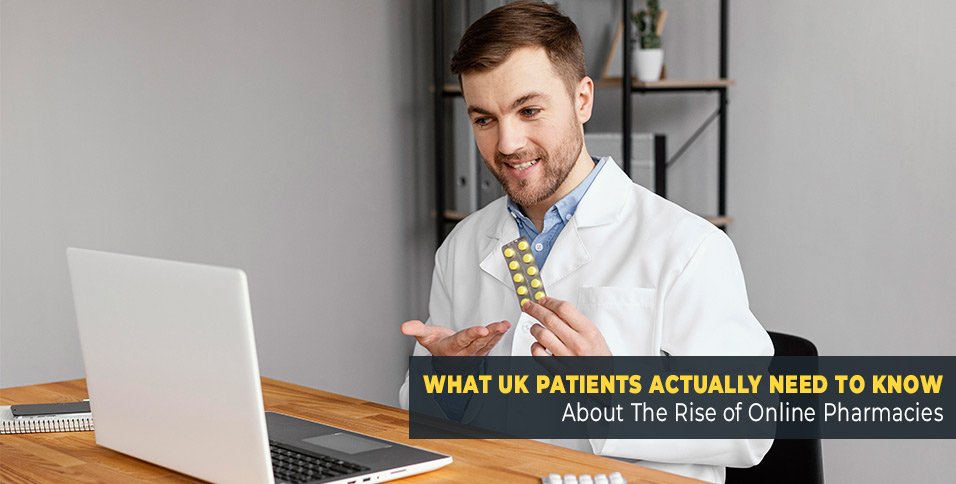
The biggest concern most people have is whether online prescribing is safe. It’s a fair concern, and honestly, the answer depends entirely on where you’re getting your medication from. There are registered, CQC-regulated services operating in the UK that require you to complete a clinical consultation before anything is dispensed, but there are also sites that will sell you prescription-only medication with no meaningful checks at all.
Legitimate UK online pharmacy services are registered with the General Pharmaceutical Council (GPhC) and, where prescribing is involved, are also registered with the Care Quality Commission. You can verify this yourself on the GPhC website, which takes about two minutes, and if the site doesn’t display registration details clearly, that’s a big red flag. A service like online pharmacy IQDoctor operates through qualified UK-registered clinicians, which puts it firmly in the regulated category, not the Wild West end of the market.
The consultation process matters more than people tend to realise. A proper online consultation shouldn’t just be ticking boxes before the system spits out a prescription; it needs to ask questions about your medical history, current medications, any contraindications, and conditions that could affect which treatment is appropriate. That does happen at the better-run services.
What Online Pharmacies Are Actually Good For
There’s a tendency to assume online prescribing is only for embarrassing conditions people don’t want to discuss face to face. And yes, services for erectile dysfunction, hair loss, or contraception do account for a significant share of what’s prescribed online. But that framing undersells how useful these services are for a much broader range of situations.
Repeat prescriptions are probably the most overlooked use case. If you’ve been stable on a medication for years, the idea that you need to physically attend a GP surgery every few months to maintain access to it is, honestly, a bit absurd. Online services that handle repeat prescriptions properly, with appropriate clinical oversight and medication reviews, take a real administrative burden off both patients and overstretched GP practices.
Travel health is another area where online pharmacies have become useful. Getting malaria prophylaxis, travel vaccines, or altitude sickness medication can involve significant lead times if you’re going through traditional routes. For people who book trips at relatively short notice, an online service that can process and dispatch within 24 to 48 hours makes a practical difference.
The Things People Get Wrong About Online Prescribing
One common misconception is that online services are somehow cheaper because they’re cutting corners. In most cases, you’re paying for clinical time, a prescription, dispensing, and delivery, so the cost structure isn’t dramatically different from a private GP visit plus pharmacy. What you’re paying for is convenience and speed, not a discount on safety.
There’s also a persistent assumption that online pharmacies are trying to replace your GP. The better ones aren’t. They’re handling a specific, defined category of healthcare need, and they’re quite clear about when something is outside that scope. If a clinical assessment flags something more serious, a responsible service will tell you to see your GP or, where appropriate, attend A&E. That’s not a failure of the model; it’s how it’s supposed to work.
The NHS is not going to dramatically expand GP capacity in the short term, and that’s not a criticism, it’s just where things are. In that context, regulated online prescribing fills a real gap. The key is knowing how to identify the services doing it properly, checking registration details, reading the consultation process, and not being swayed by a website that looks polished but shows no clinical credentials whatsoever.
It’s become a normal part of how a lot of UK adults manage their health now. Used carefully, it works.