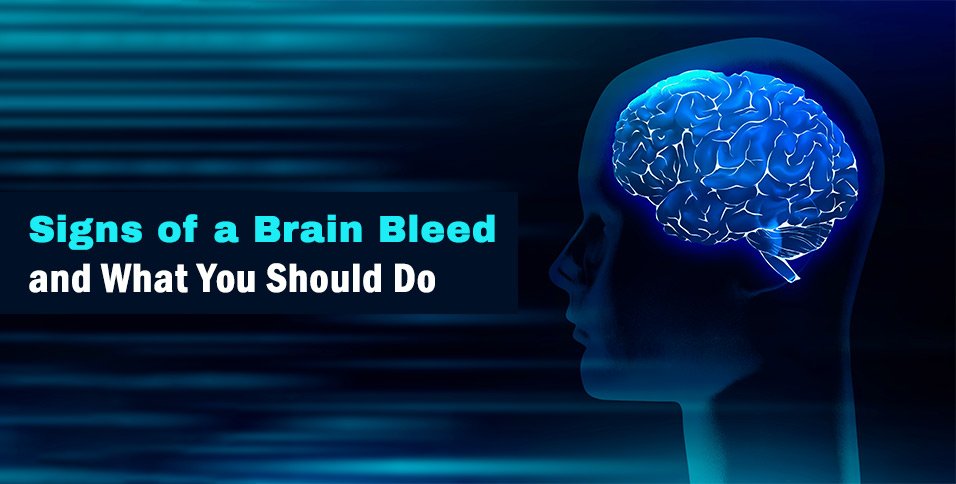
A brain bleed can often be recognized through symptoms such as severe headaches, confusion, weakness, dizziness, vision problems, nausea, slurred speech, seizures, or loss of consciousness. Immediate medical attention is critical because bleeding inside the brain can quickly become life-threatening and may cause permanent brain damage if not treated promptly.
Head injuries, falls, car accidents, and certain medical conditions can all increase the risk of bleeding in or around the brain. Recognizing brain bleed symptoms early is extremely important because some warning signs may appear gradually while others happen suddenly and severely. Knowing what to do during a possible medical emergency can improve the chances of survival and recovery.
What Is A Brain Bleed?
A brain bleed, also called a brain hemorrhage, occurs when blood leaks inside the brain or between the brain and the skull. The bleeding creates pressure on brain tissue, which can interfere with oxygen flow and normal brain function.
Brain bleeds are considered medical emergencies and can happen because of the following:
- Traumatic injuries
- High blood pressure
- Stroke
- Blood vessel abnormalities
- Blood-thinning medications
- Falls or accidents
The severity depends on the location and amount of bleeding.
Severe Headache
One of the most common warning signs of a brain bleed is a sudden and intense headache.
People often describe it as
- The worst headache of their life
- A sharp or explosive headache
- A headache that appears suddenly without warning
The pain may worsen quickly and can be accompanied by other neurological symptoms.
Confusion and Mental Changes
A brain bleed can affect thinking, memory, and awareness because pressure on the brain disrupts normal function.
Possible mental symptoms include:
- Confusion
- Difficulty concentrating
- Memory problems
- Disorientation
- Sudden personality changes
- Agitation
In serious cases, the person may become unresponsive.
Weakness or Numbness
Bleeding in the brain can interfere with the body’s nerve signals, causing weakness or numbness.
Symptoms may affect:
- One side of the body
- The face
- Arms or legs
- Hand coordination
Sudden weakness on one side of the body is considered a major emergency warning sign.
Slurred Speech or Trouble Speaking
Speech problems are another possible symptom of a brain bleed.
A person may:
- Slur words
- Speak incoherently
- Struggle to form sentences
- Have trouble understanding speech
These symptoms can resemble those of a stroke because both conditions affect brain function.
Vision Problems
Changes in vision may occur if the bleeding affects areas of the brain responsible for visual processing.
Possible symptoms include:
- Blurred vision
- Double vision
- Loss of vision in one eye
- Sensitivity to light
Vision changes after a head injury should never be ignored.
Dizziness and Loss of Balance
Brain bleeds may interfere with coordination and balance.
Common symptoms include:
- Dizziness
- Trouble walking
- Loss of balance
- Difficulty standing
- Sudden falls
These symptoms can sometimes appear alongside nausea or vomiting.
Nausea and Vomiting
Increased pressure inside the skull often causes nausea and vomiting.
This symptom may occur with:
- Severe headaches
- Dizziness
- Loss of consciousness
Vomiting after a head injury is especially concerning and may indicate serious brain trauma.
Seizures
Some people experience seizures when bleeding disrupts normal electrical activity in the brain.
Seizure symptoms may include:
- Uncontrolled shaking
- Muscle stiffness
- Sudden collapse
- Loss of awareness
A seizure after a head injury requires immediate emergency care.
Loss of Consciousness
As pressure builds inside the skull, severe brain bleeds can cause fainting or complete loss of consciousness.
A person may:
- Become difficult to wake up
- Pass out suddenly
- Slip into a coma in severe cases
This is a life-threatening emergency that requires immediate medical attention.
Common Causes Of Brain Bleeds
Brain bleeds can result from both traumatic injuries and medical conditions.
Common causes include:
- Car accidents
- Falls
- Sports injuries
- High blood pressure
- Aneurysms
- Blood clotting disorders
- Use of blood-thinning medications
Older adults and people with uncontrolled hypertension may face higher risks.
What to Do If You Suspect a Brain Bleed
If someone shows signs of a possible brain bleed, immediate action is critical.
Call Emergency Services Immediately.
Do not wait for symptoms to improve on their own. Call 911 or emergency medical services right away.
Keep the Person Still
Limit movement, especially after a head injury, because additional movement could worsen the condition.
Monitor Breathing and Awareness
Watch for changes in:
- Consciousness
- Breathing
- Speech
- Responsiveness
If the person becomes unconscious and stops breathing, CPR (cardiopulmonary resuscitation) may be necessary if trained personnel are present.
Do Not Give Food or Medication
Avoid giving food, drinks, or medications unless instructed by emergency professionals.
Key Takeaways
- Brain bleeds can cause severe headaches, confusion, weakness, vision problems, and loss of consciousness.
- Brain bleed symptoms may appear suddenly or worsen gradually after a head injury.
- Falls, car accidents, high blood pressure, and aneurysms are common causes.
- Slurred speech, seizures, and one-sided weakness are serious warning signs.
- A suspected brain bleed is always a medical emergency that requires immediate treatment.
- CT scans and MRIs are commonly used to diagnose bleeding in the brain.
- Fast medical intervention can reduce complications and improve recovery outcomes.