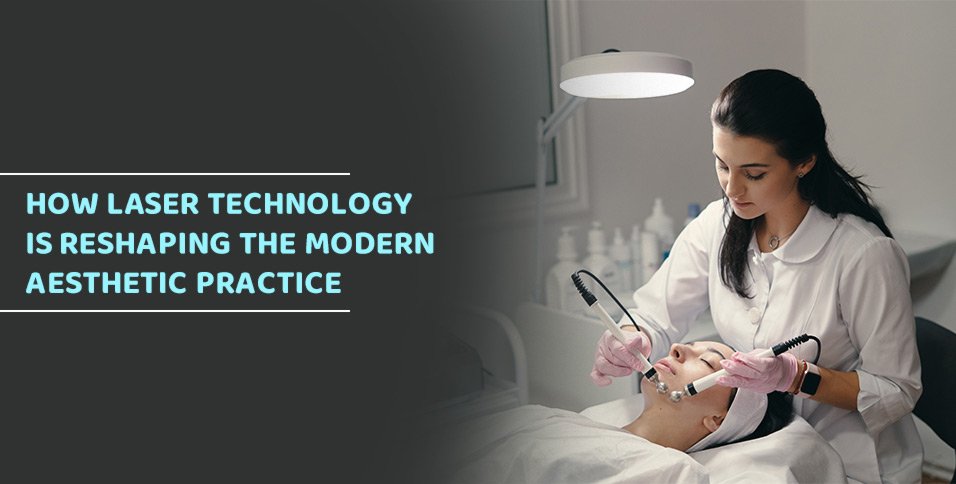

Non-surgical body contouring is becoming more common in healthcare. Among the available options, cryolipolysis – often called fat freezing – stands out. It uses controlled cooling to destroy fat cells, without cuts, anaesthesia, or lengthy recovery.
Originally seen as a purely cosmetic treatment, cryolipolysis is now being studied for its potential role in weight management. For healthcare providers treating patients with stubborn fat that does not respond to diet or exercise, this technology is worth understanding.
How Fat Freezing Works
Cryolipolysis is based on a simple scientific observation: fat cells are more sensitive to cold than the skin, muscle, or nerves around them. A special device applies precise cooling to a target area – such as the stomach, thighs, or chin. This triggers the fat cells to die naturally. Over the next 8 to 12 weeks, the body clears away these dead cells, leaving a slimmer contour.
Unlike liposuction, fat freezing is non-invasive. There is no scalpel, no anaesthetic, and no downtime. Patients can return to their normal activities straight away. The procedure is approved by the FDA for several body areas, including the abdomen, flanks, thighs, back, arms, and chin.
What the Research Shows
Multiple studies support the effectiveness of fat freezing. A key 2014 study found that a single treatment reduced fat layer thickness by 25%, with high patient satisfaction. More recent research from 2025 confirms significant reductions in abdominal fat in women, along with a good safety record.
Technology has moved on too. Newer 360° devices provide more even cooling across a larger area. Treatment time has dropped to about 30 minutes per zone – down from 45 minutes or more with older machines. These newer systems also cause less bruising and discomfort, and often require just one session instead of several.
Scientists are now looking at whether fat freezing might have metabolic benefits. A 2026 study is exploring its effects when combined with a low-calorie diet, asking whether it can improve markers like insulin sensitivity. The results are not yet final, but the question itself shows a shift: fat freezing is no longer just about looks.
Safety and Risks
Fat freezing has a strong safety record. Common side effects are mild and temporary – numbness, redness, swelling, or bruising at the treatment site. These usually clear up within days or weeks.
A rare complication called Paradoxical Adipose Hyperplasia (PAH) can occur. In this condition, the treated fat grows instead of shrinks. It happens in fewer than 1 in 2000 treatments. If it occurs, it may need liposuction to correct. Proper patient selection and informed consent are essential to manage this risk.
Who is a good candidate? People who are close to their goal weight and have pockets of pinchable fat at least 1 cm thick. Fat freezing is not for obesity. Patients with a BMI over 30 are generally not suitable. It should also be avoided during pregnancy, or in people with certain cold-related blood disorders or very loose skin.
Where Fat Freezing Fits in Weight Management
Fat freezing treatment is not a weight loss tool. It is an option for patients who have already reached a stable weight – through lifestyle changes, diet, or GLP-1 medications – but still have stubborn fat that will not go away.
For patients on weight-loss injections who have lost a significant amount of weight, leftover fat pockets (like the lower belly or love handles) can be frustrating. Offering fat freezing as a post-medication contouring option may improve patient satisfaction. It can also encourage people to keep up their healthy habits. The visible results, which appear over 8 to 12 weeks, can serve as a motivational boost.
For clinics, fat freezing offers a low-risk, outpatient service. It requires a modest investment but can help expand a practice’s offerings. It may also reduce demand for more invasive procedures like liposuction, which have higher costs, longer recovery, and more risks.
Practical Tips for Clinics
If you are thinking of offering fat freezing, consider investing in modern 360° technology. Older devices are less comfortable and less efficient. Staff need training in patient assessment, applicator placement, and recognising side effects.
Costs are usually paid by the patient. In the UK, prices start at around £200 per area. Bundling multiple sessions or combining fat freezing with nutrition coaching and exercise advice can improve results and make the service feel more holistic.
Tracking outcomes is important. Follow up at 4, 8, and 12 weeks after treatment. Measure fat reduction, record patient satisfaction, and note any side effects. Clinical photos add useful evidence.
The Future of Fat Freezing
There are still unanswered questions. How long do results last beyond two or three years? Can you treat the same area more than once? Does combining fat freezing with resistance exercise help preserve muscle? More research is needed.
Innovation continues. New devices allow temperature-controlled protocols tailored to each patient’s tissue. Some clinics are combining fat freezing with radiofrequency for skin tightening.
For clinics wanting to offer this service, working with a fat freezing specialist who uses advanced 360° technology can lead to safer, faster, and more comfortable outcomes. It is a way to stand out in a competitive market.
Final Takeaway
Fat freezing is a clinically proven, low-risk option for targeted fat reduction. It is not a replacement for healthy living or medical weight management. But for the right patient, it can be a valuable addition to care.
As obesity treatment evolves – with new drugs, changing patient expectations, and a focus on long-term results – non-surgical contouring is likely to play a bigger role. Helping patients feel confident in their bodies, not just achieve a lower weight, may be the next step forward in metabolic care.