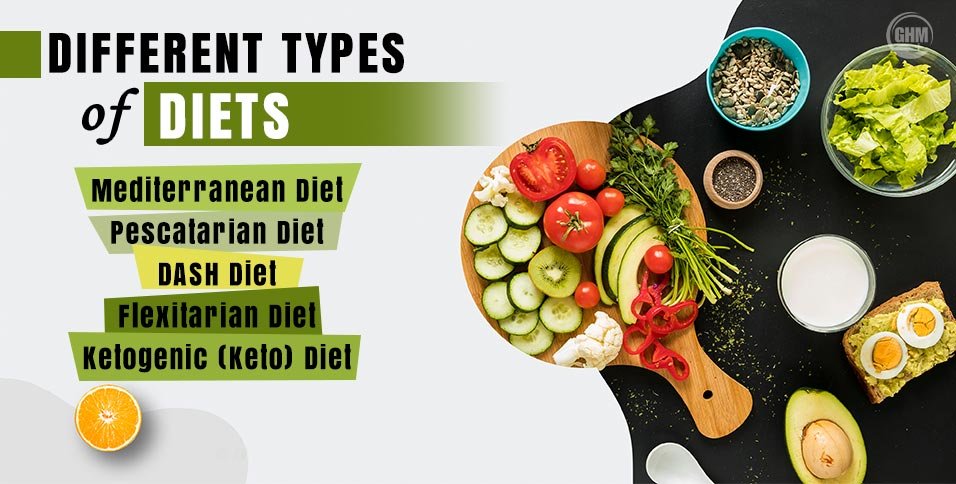
When people think of dieting, they generally picture short-term weight-loss plans or strict calorie restriction. However, a diet is simply the regular eating pattern and the foods and beverages a person consumes. Understanding these eating patterns helps you navigate popular diet trends without falling for quick-fix gimmicks. Different types of diets reflect personal health goals, lifestyle preferences, ethical choices, and medical requirements.
Types of healthy diets include plant-based, low-carbohydrate, balanced, time-restricted, and therapeutic eating plans.
Whether you want to manage your blood pressure, improve cardiovascular health, or explore plant-forward nutrition, no single eating pattern works for everyone. This guide explores the four major dietary categories to help you find a sustainable approach for your lifestyle.
Different Types of Diets Depending On The Need
A. Plant-Based and Vegetarian Diets
Plant-based diets emphasize foods derived from plants while minimizing or eliminating animal products. These eating patterns offer flexibility, ranging from strict avoidance of animal products to occasional meat consumption.
1. Vegan Diet
A vegan diet excludes meat, fish, eggs, dairy, and all other animal-derived foods. People choose this pattern for ethical, environmental, and health considerations. Because a vegan diet eliminates animal products completely, it requires careful planning to ensure adequate intake of vitamin B12, iron, calcium, vitamin D, zinc, and protein.
According to a study, it was found that participants on a vegan diet lost 9.3 pounds (4.2 kg) more than those on a control diet while eating until fullness. However, highly processed plant-based foods are not automatically nutritious, and weight loss is primarily associated with reduced calorie intake.
2. Vegetarian Diet
A vegetarian diet excludes meat, poultry, and fish while focusing on plant foods. Variations include lacto-ovo vegetarian (includes eggs and dairy), lacto-vegetarian (includes dairy but no eggs), and ovo-vegetarian (includes eggs but no dairy) patterns. Like vegan eating, a vegetarian diet also requires attention to balanced protein variety and micronutrients like iron and zinc to prevent nutritional deficiencies.
3. Pescatarian Diet
A pescatarian diet is a plant-forward eating pattern that includes fish and seafood while excluding meat and poultry. Eggs and dairy may also be included depending on personal preference. Seafood serves as an excellent source of high-quality protein and heart-healthy omega-3 fatty acids.
4. Flexitarian Diet
A flexitarian diet is a primarily plant-based approach that allows for occasional meat or fish. Its flexibility appeals to individuals looking to reduce their meat intake for health and environmental reasons without fully committing to strict vegetarianism.
Plant-Based Eating: Key Benefits and Considerations
Whole grains, legumes, vegetables, fruits, nuts, and seeds contribute vital fiber and micronutrients to plant-rich diets. Well-planned plant-based eating patterns are associated with lower risks of heart disease, type 2 diabetes, and obesity.
In different types of diets, a whole-food, plant-based diet differs from a standard vegan diet: they overlap significantly, but a vegan diet can still include highly processed, nutrient-poor foods.
B. Low-Carb and High-Fat Diets
Low-carb and high-fat eating plans modify carbohydrate intake and shift macronutrient balances to influence metabolism and weight management.
1. Ketogenic (Keto) Diet
The ketogenic diet is a very-low-carbohydrate, high-fat eating pattern that aims to produce ketosis. Ketosis is a metabolic state where the body uses ketones—made by the liver from stored fat—as an alternative energy source instead of glucose.
A standard keto breakdown consists of roughly 70% to 80% calories from fat, 15% to 20% from protein, and only 5% to 10% from carbohydrates (typically 20 to 50 grams daily).
Beyond using the Keto Diet for weight loss, it has an established medical history of reducing seizure frequency in drug-resistant epilepsy. Because the Keto Diet restricts nutritious food groups like whole grains and fruits, potential side effects such as the “keto flu” and elevated LDL cholesterol require medical guidance.
2. Low-Carb and Atkins Diets
Low-carb diets represent a broad category limiting carbohydrate intake to varying degrees, generally ranging from 20 to 150 grams per day. The Atkins diet is a structured, branded low-carb plan created by Dr. Robert Atkins that gradually reintroduces carbohydrates across four distinct phases. By emphasizing protein-rich foods that provide long-lasting satiety, it aims to reduce overall appetite and promote fat burning. Results and individual suitability of the low-carb diet vary based on metabolic health.
3. Paleo Diet
The paleo diet emphasizes minimally processed whole foods associated with interpretations of ancestral eating patterns before the advent of agriculture. Its usual exclusions include grains, legumes, dairy, and refined sugar. The short-term studies on the Paleo diet show improvements in waist circumference and blood glucose markers. However, it has limitations like food-group exclusions, high cost, and long-term sustainability challenges.
4. Carnivore Diet
The carnivore diet is an extreme restrictive pattern consisting almost entirely of animal foods (meat, fish, eggs, and animal fats) while excluding all plant foods. It differs from the keto diet, which permits low-carbohydrate vegetables and select plant options. There is a lack of long-term clinical evidence on the carnivore diet, and health experts raise significant concerns regarding dietary fiber deficiency and micronutrient adequacy.
C. Evidence-Based and Balanced Diets
Evidence-based and balanced diets focus on overall wellness, cardiovascular health, and sustainable lifestyle integration without eliminating major food groups.
1. Balanced Diet
A balanced diet focuses on appropriate portions and variety across vegetables, fruits, whole grains, protein sources, and healthy fats. This approach emphasizes overall nutritional adequacy and moderation rather than eliminating entire food categories.
2. Mediterranean Diet
The Mediterranean diet is inspired by traditional eating patterns in regions surrounding the Mediterranean Sea. It emphasizes vegetables, fruits, legumes, whole grains, nuts, olive oil as the primary added fat, and moderate amounts of fish and poultry. Extensive research demonstrates that the Mediterranean diet reduces the risk of heart disease, stroke, and type 2 diabetes while supporting cognitive function and longevity. It remains one of the most flexible, sustainable, and healthy eating patterns evaluated by clinical research.
3. DASH Diet
DASH stands for Dietary Approaches to Stop Hypertension. This eating pattern emphasizes fruits, vegetables, whole grains, lean protein, and low-fat dairy products while actively limiting sodium intake, red meat, and added sugars. Clinical trials show that the DASH diet can lower blood pressure within a few weeks and significantly reduce LDL cholesterol. Guidelines recommend limiting sodium to 2,300 mg daily, or 1,500 mg for greater blood pressure reduction.
4. Intermittent Fasting
Intermittent fasting focuses on when people eat rather than prescribing a specific list of foods. Popular Intermittent fasting methods include the 16:8 method (fasting for 16 hours with an 8-hour eating window) and the 5:2 approach (eating normally for five days and restricting calories to 500–600 on two non-consecutive days). While it facilitates calorie reduction and improves insulin sensitivity, fasting is not suitable for pregnant women, individuals with a history of eating disorders, or those prone to blood sugar fluctuations.
Other Structured Diets: Whole30 and Zone
- The Whole30 program is a short-term, 30-day elimination plan designed to reset eating habits and identify food sensitivities by cutting out added sugars, grains, legumes, and dairy.
- The Zone diet emphasizes balancing macronutrients in every meal, targeting 40% low-glycemic carbohydrates, 30% lean protein, and 30% favorable fats to manage inflammation and blood sugar levels.
D. Medical and Therapeutic Diets
Medical and therapeutic diets serve specific clinical treatment needs rather than general weight loss, which require careful professional supervision.
1. Gluten-Free Diet
A gluten-free diet excludes gluten, a family of proteins found in wheat, barley, and rye. It is essential medical therapy for individuals diagnosed with celiac disease or non-celiac gluten sensitivity. Unnecessary restriction in a gluten-free diet without a medical diagnosis can reduce dietary fiber and whole-grain intake.
2. Diabetes-Friendly and Low-Glycemic Eating
Diabetes meal planning focuses on carbohydrate quantity, food quality, portion sizes, and meal balance to manage blood glucose levels. The glycemic index (GI) measures how quickly carbohydrate-containing foods raise blood glucose. While following diets for diabetes, individualized medical nutrition therapy is vital rather than a universal restriction.
3. Low-FODMAP Diet
FODMAPs are fermentable oligosaccharides, disaccharides, monosaccharides, and polyols—short-chain carbohydrates that can trigger bloating, gas, and digestive distress in sensitive individuals. Used primarily to manage irritable bowel syndrome (IBS), this structured protocol involves short-term restriction followed by systematic reintroduction under the guidance of a registered dietitian.
4. Texture-Modified and Liquid Diets
Texture-modified diets include clear-liquid, full-liquid, pureed, and mechanically soft consistencies. Clinicians prescribe these plans during post-operative recovery, acute gastrointestinal illness, or for patients experiencing dysphagia (swallowing difficulties).
5. Low-Fat Diet
Low-fat eating plans reduce total fat intake or restrict specific categories like saturated fats. Clinical applications focus on managing cardiovascular disease risks, hyperlipidemia, and specific gastrointestinal disorders by replacing saturated fats with healthy unsaturated fats.
How to Choose the Right Type of Diet
Selecting an appropriate eating pattern among the different types of diets requires careful self-reflection and professional guidance:
- Health Goals: Identify whether your focus is general wellness, blood-pressure control, weight management, or a diagnosed medical condition.
- Nutritional Adequacy: Ensure your chosen pattern provides sufficient protein, fiber, vitamins, minerals, and overall energy.
- Lifestyle and Preferences: Factor in your weekly budget, food availability, cultural background, cooking time, and personal taste.
- Sustainability: Choose a plan that you can maintain long-term without feeling deprived or experiencing severe social isolation.
- Medical Support: Consult with a registered dietitian or healthcare provider before making major dietary modifications, especially if you manage chronic illnesses or take prescription medications.
Conclusion
Different types of diets serve varied purposes, ranging from general nutrition promotion to strict medical therapy. Dietary quality, nutritional balance, and long-term consistency matter far more than following a temporary cultural trend.
Prioritize an eating pattern that fits your personal health needs, respects your lifestyle, and provides lasting satisfaction. Always seek qualified professional guidance before embarking on a dieting journey.
Sanskruti Jadhav
Frequently Asked Questions
- How much weight is considered safe to lose per week?
Most health authorities and medical experts recommend a slow and steady weight-loss goal of 0.5 to 2 pounds (0.2 to 0.9 kilograms) per week to preserve muscle mass and ensure adequate nutrition.
- What is the 3-3-3 rule for diets?
The 3-3-3 rule for diet is a simple habit-building framework that includes 3 Balanced Meals Daily, 3-Hour Spacing (or no unplanned snacking), and 3 key nutrients per meal. This is designed to support sustainable weight loss, blood sugar stability, and gut health.