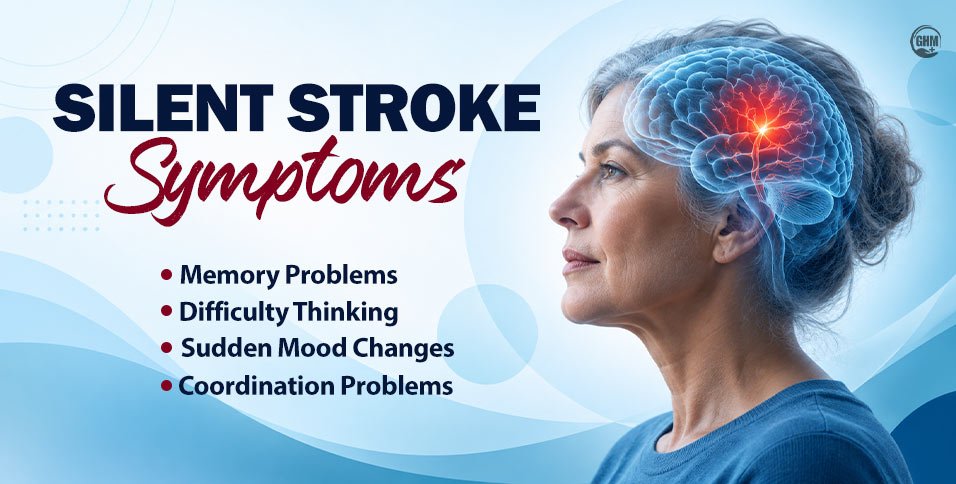
Imagine experiencing a stroke without feeling a single dramatic sign like sudden facial drooping or slurred speech. It sounds impossible, yet an estimated 8 to 10 million Americans suffer a silent stroke every year without ever realizing it. These silent stroke symptoms events cause real brain tissue damage while bypassing regions that control vital, visible functions
Have you ever experienced a sudden, unexplained lapse in memory or a brief moment of dizziness that passed as quickly as it arrived? Many people dismiss these fleeting issues as simple signs of aging, fatigue, or stress. However, these subtle signals might indicate something more significant: a “silent stroke.”
Unlike a typical, dramatic stroke, a silent stroke occurs without the obvious warning signs like facial drooping or slurred speech. While it doesn’t cause immediate, visible impairment, it silently damages brain tissue.
Subtle changes due to silent stroke often surface later through memory, thinking, balance, or mood shifts. Understanding these silent stroke symptoms is crucial because, while they are not diagnostic on their own, they serve as vital clues that your brain health may be at risk.
In this article, you will explore more about silent stroke and the 10 subtle silent stroke symptoms, and learn how it is diagnosed.
What Is a Silent Stroke?
A silent stroke, or asymptomatic cerebral infarction, happens when blood flow to a specific area of the brain is briefly interrupted, damaging brain cells. Because these strokes often occur in brain regions that don’t control vital, highly visible functions like walking or speech, the person may feel perfectly fine, leaving the signs entirely unnoticed at the time.
While a typical stroke creates immediate, severe symptoms, a silent stroke operates “under the radar”. The affected brain areas often have overlapping functions with other parts of the brain, allowing the person to continue operating almost normally. Silent strokes affect about 20% of people over 60 and up to 40% of people over 80, according to study.
Because the onset is gradual rather than dramatic, the affected person often doesn’t realize anything is wrong. Frequently, family members notice subtle shifts in a loved one’s memory, reasoning, personality, or balance long before the person themselves does.
Furthermore, because the brain can sometimes compensate for these small injuries, the damage often remains hidden until it accumulates over time. Consequently, silent strokes are frequently discovered only incidentally during brain imaging performed for other health concerns.
10 Silent Stroke Symptoms to Watch For
Recognizing subtle changes is the first step toward proactive brain health. While silent stroke symptoms are not an actual diagnosis, they are potential signs associated with silent brain injury.
1. Memory Problems
Memory problem as silent stroke symptoms goes beyond typical, occasional forgetfulness. The person experiences signs like, forgetting recent information or repeating the same questions. The person has difficulty remembering recent events while retaining older memories.
2. Difficulty Thinking or Making Decisions
Another silent stroke symptoms is when the person faces problems while making decisions, and has trouble concentrating. They also face challenges with planning and organizing tasks that were once familiar and easy to manage.
3. Sudden Mood or Personality Changes
Developing New, persistent irritability, apathy, anxiety, or depression can be silent stroke symptoms. Some signs of a silent stroke also include, unusual emotional responses, such as laughing or crying at inappropriate times.
4. Balance or Coordination Problems
A new, unexplained feeling of unsteadiness, dizziness, or the sensation that your head is spinning can be a warning sign of silent stroke. The person might also find yourself stumbling or bumping into objects more often if then experience silent stroke.
5. Changes in Walking or Gait
If a person notice a new difficulty in walking normally, a change in your walking pattern it can be a sign of silent stroke which needs medical attention.
6. Mild Weakness or Numbness
As a silent stroke symptoms, some individuals experience temporary, mild weakness, tingling, or numbness, particularly on one side of the body, involving the face, arm, or leg.
7. Vision Changes
Changes in vision such as blurred vision, double vision, or a noticeable decrease in the field of vision that requires concentration to see clearly can be a sign of silent stroke.
8. Speech or Word-Finding Problems
While sudden, severe speech loss is an emergency, silent strokes may cause subtle, temporary slurring or increased difficulty finding the right words during conversation.
9. Unusual Headaches or Fatigue
Persistent or unusual headaches, or unexpected, profound fatigue, can sometimes be associated with silent brain injury, though they are nonspecific and have many other causes.
10. New Changes In Bladder or Bowel Control
Unexpected changes in bladder or bowel control, such as a new urge to urinate frequently or difficulty emptying the bladder, can be silent stroke symptom and should be discussed with a healthcare provider.
What Are The Causes of Silent Stroke?
Silent strokes stem from the same underlying risk factors as major, symptomatic strokes.
Major Risk Factors of Silent Stroke:
- High blood pressure is a leading risk factor that damages arteries and can cause a silent stroke.
- Diabetes, High blood sugar damages blood vessels over time leading to a stroke.
- High cholesterol leads to plaque buildup, restricting blood flow.
- Atrial fibrillation is a a heart rhythm disorder that significantly increases stroke risk.
- Lifestyle factors such as smoking, obesity, and a sedentary lifestyle can gradually cause a silent stroke.
- Other health conditions like sleep apnea, advanced age, and a previous history of cerebrovascular disease can be a risk a silent stroke.
How Is a Silent Stroke Diagnosed?
It is important to understand that symptoms alone cannot confirm a silent stroke. The Clinical silent stroke diagnosis relies on brain imaging to identify evidence of previous brain injury.
- MRI: Yes, brain imaging is central to identifying previous silent brain injuries. An MRI scan detects small areas of brain damage and white matter changes with high sensitivity.
- Computed tomography (CT) scans: CT scans can also spot evidence of previous strokes. Clinicians pair these scans with neurological examinations, cognitive tests, and a thorough review of vascular risk factors.
When Should You See a Doctor?
You must clearly distinguish between gradual changes and acute emergencies. Discuss subtle neurological shifts with your healthcare provider during routine visits.
However, treat sudden symptoms, such as face drooping, arm weakness, slurred speech, or severe balance loss, as an immediate medical emergency. Call emergency services right away rather than waiting for the silent stroke symptoms to resolve.
How to Reduce the Risk of Silent Stroke
Proactive lifestyle modifications significantly lower your risk of silent stroke in the future:
- Keep blood pressure and blood sugar under strict control.
- Stay physically active with regular movement.
- Quit smoking and avoid secondhand smoke exposure.
- Maintain a healthy weight and adopt a heart-healthy Mediterranean diet.
- Manage sleep apnea and atrial fibrillation with your medical team.
Final Words
“Silent” does not mean “harmless”. Brain damage from these events is cumulative; repeated silent strokes can lead to significant cognitive decline and vascular dementia. Furthermore, experiencing a silent stroke substantially increases your risk of suffering a future, more severe, symptomatic stroke. Recognizing these subtle silent stroke symptoms early allows for medical evaluation and critical management of your underlying risk factors.
(Disclaimer: This blog is for informational purposes only. Always consult a healthcare professional for personalised advice.)
Frequently Asked Questions
1. Can a silent stroke happen more than once?
Yes. In fact, having one silent stroke increases the likelihood of experiencing future strokes, including major, symptomatic ones.
2. Is a silent stroke the same as a TIA (mini-stroke)?
No. A TIA causes noticeable, temporary symptoms that last less than 24 hours but do not cause permanent brain damage. A silent stroke produces no noticeable symptoms but does result in permanent brain damage.
3. How can I improve my memory if I’ve had a silent stroke?
Beyond medical treatment, creating daily routines, using pill organizers, maintaining to-do lists, and engaging in memory games can help manage cognitive impairments and improve daily function.