Have you ever felt completely overwhelmed by the constant flood of weight-loss trends on social media? One day, a viral video touts a magical new shot, and the next, online wellness clinics sell mysterious compounds that you have never heard of. If you feel confused about what actually works and what might be unsafe for weight management, then it is quite normal.
Weight-loss discussions everywhere seem focused on one major topic: weight-loss medication. One of the main factors in them is the peptides for weight loss. These biological compounds have completely changed how doctors manage obesity and metabolic health. But not every peptide promotes weight loss, and not every compound sold online is safe.
While internet hype often pushes unregulated chemical formulas, true medical progress relies on scientifically proven GLP-1 receptor agonists and dual-hormone therapies. Next-generation therapies are also making dramatic progress through late-stage clinical trials. In this detailed guide, you will learn about peptides in human biology and how FDA-approved weight-loss medications function, so you know the safe options available in peptides for weight loss before starting your journey.
What Are Peptides?
Peptides are short chains of amino acids, which are the fundamental building blocks of proteins. When a small group of amino acids comes together—typically between two and fifty amino acids it creates a peptide. Larger, more complex amino acid chains form full proteins.
In a human body, naturally occurring peptides act as precise chemical messengers. They travel through the bloodstream and bind to target cells to deliver vital operational commands. These natural signaling molecules quietly coordinate complex processes every single day, including:
- Hunger and Satiety: Signaling your brain when your body needs food or when you feel full.
- Digestion: Controlling how quickly your stomach empties contents into your intestine.
- Blood Sugar Regulation: Triggering the pancreas to release insulin after meal intake.
- Hormone Balance: Stimulating the release of growth hormones and metabolic signals.
- Metabolic Rate: Influencing how efficiently your cells turn nutrients into energy.
Therapeutic peptide medications simply recreate or boost these precise natural signals. By designing exact synthetic copies, medical scientists can treat chronic diseases by speaking the body’s precise biological language.
How Do Peptides For Weight Loss Work?
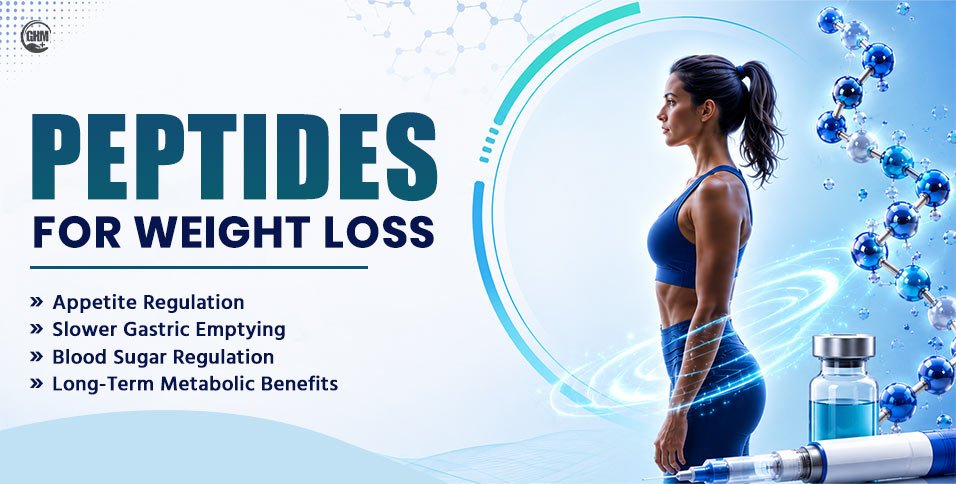
Modern peptide therapy for weight loss does not rely on dangerous stimulants or artificial metabolic spikes. Instead, it works in harmony with your body’s natural appetite-regulating pathways.
- Appetite Regulation
When you inject or swallow GLP-1 peptides, they travel to key centers in your brain that oversee hunger and reward pathways. The medication triggers GLP-1 receptors in the hypothalamus, sending powerful signals that quiet food noise. This process dramatically reduces intense hunger cravings and gives you effortless portion control during regular meals.
- Slower Gastric Emptying
Peptide treatments physically delay gastric emptying. This means food remains in your stomach for a significantly longer period after eating. As a result, you feel full faster and maintain that sense of comfortable fullness long after a meal, eliminating the constant urge for late-night snacking.
- Blood Sugar Regulation
By encouraging your body to release insulin only when blood sugar rises, weight management drugs prevent rapid glucose spikes after meals. Steady blood sugar levels eliminate the sudden energy crashes and intense sugar cravings that frequently derail traditional dieting efforts.
- Long-Term Metabolic Benefits
By controlling appetite and stabilizing glucose levels, weight loss peptide injections make calorie restriction feel natural rather than restrictive. Over time, sustained weight reduction leads to lower systemic inflammation, improved blood pressure, and better overall cardiometabolic health. However, pairing these medications with healthy nutrition and physical activity remains essential for long-term health success.
FDA-Approved Peptides for Weight Loss In The Market
The most reliable obesity treatment medications on the market today have earned full approval from regulatory bodies such as the U. S. Food and Drug Administration. These prescription drugs have undergone extensive clinical trials involving thousands of participants to prove their safety and efficacy.
| Medication | Active Ingredient | Mechanism | Dosing Schedule | Average Weight Loss |
| Wegovy | Semaglutide | Single GLP-1 Receptor Agonist | Weekly Injection / Daily Oral | ~15–19% |
| Zepbound | Tirzepatide | Dual GLP-1 & GIP Agonist | Weekly Injection | ~21% |
| Saxenda | Liraglutide | Single GLP-1 Receptor Agonist | Daily Injection | ~8% |
- Semaglutide (Wegovy)
Semaglutide for weight loss represents a massive milestone in medical obesity management. Taken as a once-weekly subcutaneous injection, Semaglutide mimics natural GLP-1 to suppress hunger. Clinical trial data from Novo Nordisk demonstrated that participants using the maximum dose lost an average of 15% of their body weight over 68 weeks. Higher-dose variations show average losses reaching nearly 19%. Beyond fat loss, semaglutide offers proven protection against major adverse cardiovascular events in eligible adults. Oral semaglutide options are also available for specific clinical needs.
- Tirzepatide (Zepbound)
Tirzepatide for weight loss acts as a single molecule that activates two separate gut hormone receptors: GLP-1 and glucose-dependent insulinotropic polypeptide (GIP). This dual-action approach delivers unmatched metabolic support. In pivotal late-stage clinical studies, adults taking the highest weekly dose lost an average of 21% of their starting weight. The FDA has approved Zepbound both for chronic weight management and for treating moderate-to-severe obstructive sleep apnea in adults with obesity.
- Liraglutide (Saxenda)
Liraglutide for weight loss therapy serves as the pioneer among GLP-1 peptides. Administered as a daily injection, Saxenda helps regulate appetite and promotes moderate weight reduction. In long-term trials, patients achieved an average weight reduction of approximately 8% over 56 weeks. While weekly injections are more common today, Saxenda remains a valuable tool for specific patient groups and adolescents over age 12.
Emerging Weight Loss Peptides Still in Clinical Trials
Scientists are continuously creating next-generation types of peptides for weight loss to make treatment options even more efficient. While these investigational compounds show incredible promise, they remain under clinical evaluation and are not yet available for routine medical prescriptions.
- Retatrutide
Retatrutide is an exciting investigational compound often called a “triple agonist”. It targets three distinct receptors at once: GLP-1, GIP, and glucagon. While GLP-1 and GIP curb hunger and improve insulin handling, glucagon increases energy expenditure and directly accelerates fat burning. Recent Phase 3 trial results published by Eli Lilly demonstrated that participants lost up to an average of 20.8% to 22.6% of their body weight at 80 weeks, opening the door for future FDA filing.
- Survodutide
Survodutide operates as a dual-action peptide targeting both GLP-1 and glucagon receptors. This compound reduces energy intake while simultaneously raising energy expenditure. Researchers are actively studying Survodutide in Phase 3 trials for chronic weight management and metabolic dysfunction-associated steatohepatitis (MASH), a serious form of fatty liver disease.
- VK2735
VK2735 is another dual GLP-1/GIP receptor agonist currently undergoing clinical evaluation. Early Phase 2 data revealed rapid, significant weight loss with both once-weekly injectable formulations and daily oral tablets. Phase 3 studies are actively measuring its long-term safety and effectiveness.
- Eloralintide
Eloralintide takes a different biochemical path by mimicking amylin, a pancreas-derived hormone that works alongside insulin to regulate mealtime fullness and digestion. Early trials demonstrate up to 20% average weight loss at 48 weeks, making amylin analogues an important area of ongoing Phase 3 research.
Other Peptides Often Marketed for Weight Loss
When searching for the best peptides for weight loss, you will likely encounter compounds that wellness clinics promote heavily online. However, many of these lack FDA approval for general weight management and work through entirely different mechanisms.
Important Distinction: Do not confuse experimental or specialized compounds with FDA-approved obesity medications. Unproven claims can lead to ineffective treatments and unexpected safety risks.
- Tesamorelin
Tesamorelin is an injectable peptide that stimulates your pituitary gland to release growth hormone. The FDA approved tesamorelin specifically to reduce excess abdominal visceral fat in adults living with HIV-associated lipodystrophy. It does not suppress appetite or alter digestive speed. Doctors do not prescribe it as a general obesity treatment for the broad public.
- MOTS-c
MOTS-c is a fascinating mitochondrial-derived peptide involved in cellular energy metabolism and insulin sensitivity. While animal models show improved metabolic flexibility, human evidence remains extremely limited. MOTS-c remains in early research stages and is not an approved medication for weight loss.
Benefits of Peptides for Weight Loss
Prescription peptide therapies offer wide-ranging physical and metabolic health advantages:
- Substantial Clinical Weight Loss: Patients regularly achieve 15% to 21% total body weight reduction in structured medical programs.
- Enhanced Appetite Control: Patients report freedom from intrusive food thoughts, emotional eating, and intense sugar cravings.
- Improved Glycemic Regulation: Treatments lower resting blood glucose and reduce HbA1c levels substantially.
- Cardiovascular Protection: Prescribed GLP-1s help improve blood pressure, lower systemic inflammation markers, and reduce blood lipid levels.
- Sleep Apnea Relief: Significant weight reduction alleviates airway restrictions, yielding major improvements in obstructive sleep apnea symptoms.
- Higher Quality of Life: Patients gain better physical mobility, improved joint comfort, higher daily energy levels, and stronger mental well-being.
- Sustained Maintenance: Combining ongoing peptide therapy for weight loss with long-term lifestyle changes helps prevent weight regain.
Side Effects of Peptides for Weight Loss
While peptide therapy for weight loss is highly effective, it can cause adverse reactions. Most side effects of weight loss peptides affect the digestive system and occur mainly when starting treatment or increasing dosage.
Common Side Effects
- Nausea and mild vomiting
- Diarrhea or severe constipation
- Abdominal bloating, gas, and stomach discomfort
- Heartburn or acid reflux
Serious Risks of Peptides for Weight Loss
Though uncommon, serious medical complications can occur:
- Pancreatitis: Severe, persistent abdominal pain radiating to the back requires immediate emergency evaluation.
- Gallbladder Disease: Rapid weight loss can trigger gallstones or gallbladder inflammation.
- Kidney Complications: Dehydration caused by severe nausea or diarrhea can trigger acute kidney impairment.
- Thyroid Tumor Warning: Animal studies observed thyroid C-cell tumors with GLP-1 exposure. Consequently, anyone with a personal or family history of Medullary Thyroid Carcinoma (MTC) or Multiple Endocrine Neoplasia syndrome type 2 (MEN 2) must not use these medications.
Medical providers minimize digestive side effects of peptides by using gradual dose-escalation schedules over several months.
Unregulated Peptides In The “Grey Market”
The rising popularity of GLP-1 drugs has created a risky online “grey market”. Unregulated websites sell chemical vials clearly labeled as “for research use only” or “not for human consumption” directly to consumers.
Buying these unregulated peptide products carries extreme health hazards:
- Zero FDA Supervision: Research compounds bypass strict medical oversight and safety inspections completely.
- Unknown Purity & Dosing Errors: Independent laboratory testing frequently reveals incorrect strength, mislabeled ingredients, or severe chemical degradation.
- Contamination Hazards: Non-sterile production runs risk dangerous bacterial or chemical contamination, leading to severe injection-site infections or toxic reactions.
- Compounded vs. Grey Market: Licensed compounding pharmacies create legal medications using verified quality standards during official drug shortages. Grey-market websites operate completely outside these legal health frameworks.
Never inject unregulated research chemicals into your body. Always acquire prescription medications through a licensed healthcare professional and legitimate retail or health network pharmacy.
Who Is a Good Candidate for Peptide Therapy?
Medical guidance specifies that peptide therapies are not intended for minor cosmetic weight adjustments. Candidates for peptide therapy for weight loss typically include:
- Adults diagnosed with obesity, defined as a Body Mass Index (BMI) of 30 or higher.
- Adults with a BMI of 27 or higher who also suffer from at least one weight-related condition, such as hypertension, type 2 diabetes, high cholesterol, or sleep apnea.
A licensed physician will evaluate your complete health history, run blood work, check kidney and liver function, and confirm your commitment to long-term diet and exercise habits before issuing a prescription.
Summary
Navigating medical weight loss becomes simple once you separate internet hype from clinical science. FDA-approved GLP-1 and dual-hormone medications like Wegovy and Zepbound remain the gold standard among peptides for weight loss. Emerging triple-agonist therapies like retatrutide promise even greater progress in the near future.
Remember that along with weight-loss medications, sustainable health success requires authentic medications, healthy nutrition, regular exercise, and continuous medical supervision. Speak with a licensed doctor today to explore safe, personalized medical weight-loss options tailored to your body.
Frequently Asked Questions
- Are peptide injections better than pills?
Neither peptide injections nor peptide pills is strictly superior; choice depends on personal medical needs. Weekly injections deliver maximum bioavailability and convenience for most people. However, approved oral options provide equivalent clinical weight loss benefits for those who dislike needles.
- Do peptides burn fat directly?
Most approved weight-loss peptides do not burn fat directly. Instead, GLP-1 medications create a consistent calorie deficit by curbing your appetite and slowing digestion.
- Can weight return after stopping weight loss medications?
Yes, weight regain can occur if you stop taking peptide therapies without a long-term management plan. Because obesity is a chronic metabolic condition, these medications manage appetite signals while active in your system. Maintaining healthy eating habits, regular movement, and working closely with your doctor helps protect your progress.
- How long does it take to see results on peptide therapy for weight loss?
Most patients notice reduced hunger within the first two weeks of starting treatment. Steady weight loss generally begins during initial dose escalation, with significant body transformation occurring over 6 to 12 months of consistent use.
- Which peptides are not FDA approved?
Popular wellness peptides such as BPC-157, TB-500, and KPV do not have FDA approval. These substances remain unapproved and lack formal FDA evaluation for safety and effectiveness. While an FDA advisory panel recently recommended allowing specialized compounding pharmacies to make certain unapproved peptides available by prescription.